Ready to pack and head out? Electronic gadgets usually take up half the space in our backpacks. But do you really know which batteries are cleared for takeoff and which ones have to stay behind? Is "carrying it on" always enough to stay safe?
To keep your journey stress-free right from the security checkpoint, we've put together this ultra-simple lithium battery flight guide. From easy Watt-hour (Wh) conversion formulas to the pro-traveler's packing secrets-spend three minutes reading this, and make your security check as smooth as flying first class!
can you take lithium batteries on a plane?
Yes, but with strict limitations. Lithium batteries are considered hazardous materials because they can catch fire if damaged or short-circuited.
Here are the essential rules you need to follow:
1. Carry-on Only, Never in Checked Bags
This is the most critical rule. All spare lithium batteries (including power banks) must be kept in your carry-on luggage. * The Reason: If a battery catches fire in the cabin, the crew can respond immediately. If it happens in the cargo hold, it could lead to a catastrophe.
The Exception: Batteries already installed inside devices (like laptops or phones) can technically be checked, but airlines still strongly recommend keeping them in the cabin.
2. Capacity Limits (Measured in Wh)
Airlines measure battery capacity in Watt-hours (Wh) rather than milliampere-hours (mAh).
| Battery Energy (Wh) | Status | Notes |
| Under 100Wh | Allowed | Most phones, laptops, and standard power banks. No specific quantity limit (within reason for personal use). |
| 100Wh - 160Wh | Approval Needed | Requires airline permission; usually limited to 2 spares per person. Common for pro cameras or drones. |
| Over 160Wh | Forbidden | Strictly prohibited from both carry-on and checked luggage. Must be shipped via specialized cargo. |
The Calculation: If your battery only shows mAh, use this formula:

Example: A 20,000 mAh power bank at 3.7 V has a capacity of 74 Wh (calculated as 20,000 × 3.7 ÷ 1,000), which is well within the airline limit.
3. Labels Must Be Clear
If the capacity labels on your battery or power bank are worn off, blurry, or missing (common in "no-name" brands), security will likely confiscate them because they cannot verify the safety specs.
4. Short-Circuit Protection
Spare batteries should be protected to prevent short-circuiting. It is recommended to:
- Keep them in their original retail packaging.
- Tape over the metal terminals.
- Place each battery in a separate plastic bag.

What kind of batteries can you take on a plane?
airlines categorize batteries based on their chemistry and energy capacity (Wh). Here is a quick breakdown:
1. Batteries You CAN Bring (Must be in Carry-on)
- Lithium-ion Batteries (Rechargeable): Found in phones, laptops, cameras, power banks, and drones.
- Under 100Wh: Allowed (for personal use).
- 100Wh - 160Wh: Requires airline approval; limited to 2 spares per person.
- Dry Cell Batteries: Standard alkaline batteries (e.g., AA, AAA).
- NiMH / NiCd Batteries: Common rechargeable AA or AAA batteries.
2. Batteries Strictly FORBIDDEN (Carry-on and Checked)
- Damaged or Recalled Batteries: Anything swollen, leaking, or flagged for safety issues.
- Lithium Batteries over 160Wh: Prohibited unless installed in specific mobility aids (requires advance notice).
- Lead-Acid Batteries: Commonly found in cars or older high-power flashlights (spillable types).

How to Safely Pack Lithium Batteries for Flights?
To ensure your lithium batteries pass security smoothly and remain safe during the flight, "carrying them on" is only half the battle. The core of safe packing is preventing short circuits and avoiding physical compression.
Here is a detailed guide on how to pack them:
1. Insulation (Preventing Short Circuits)
If the metal terminals of a spare battery touch keys, coins, or other batteries, they can spark or even catch fire.
- Tape the Terminals: Use electrical tape (or clear tape) to cover the metal contact points of the battery.
- Individual Packaging: Place each battery in a separate plastic bag (like a Ziploc bag) to ensure they don't touch one another.
- Original Packaging: If possible, keep them in their original retail boxes; this is often the safest storage method.
2. Use Protective Cases or Fireproof Bags
For drone batteries or large camera batteries, it is highly recommended to use LiPo Safe Bags. These are made of flame-retardant materials designed to contain a fire if a battery malfunctions.
3. Prevent Physical Compression
If a battery is crushed or hit hard, its internal structure can be damaged, leading to thermal runaway.
- Placement: Place batteries in the middle of your carry-on bag, surrounded by soft items like clothing for cushioning.
- Avoid Pressure: Do not place heavy objects directly on top of the compartment containing your batteries.
4. Keep Devices Completely Powered Down
For devices with internal batteries (like laptops or cameras):
- Full Shutdown: Ensure the device is "Off," not just in "Standby" or "Sleep" mode, to prevent accidental activation and overheating.
- Protect Power Buttons: Make sure the power button cannot be accidentally pressed by other items in your bag.
5. Ensure Labels are Intact
Security officers need to see the Watt-hour (Wh) rating on the battery.
- Keep it Legible: If the text on the battery is fading, you can cover it with a piece of clear tape to prevent further wear.
- No Label, No Flight: If there is no capacity marking at all, it's best to leave it at home, as security has the right to confiscate it.
Security Check Tip
When going through security, it's best to proactively take power banks and large batteries out of your bag and place them in a separate bin, just like a laptop. This speeds up the process and prevents security from having to dig through your luggage.
Special Considerations for Large or Commercial Lithium Batteries
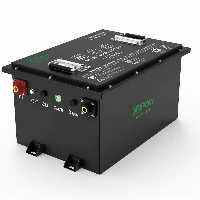
For large or commercial-grade high-capacity lithium batteries, airline oversight shifts from "personal use" to a "strict approval" model. These batteries typically refer to those with a rated energy between 100Wh and 160Wh, such as those used for professional cinematography equipment, industrial-grade drones, or certain high-performance medical devices.
Regarding quantity, civil aviation regulations generally limit each passenger to a maximum of two such large-capacity spare batteries, and they must receive prior approval from the airline. It is highly recommended to contact your carrier at the time of booking or at least 48 hours before departure to confirm their policy and proactively declare them at the check-in counter, as security personnel may verify the airline's authorization records.
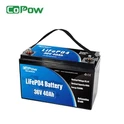
For extra-large lithium batteries exceeding 160Wh (such as large portable power stations or heavy-duty industrial batteries), they are classified as fully prohibited hazardous materials for passenger aircraft, unless they are installed in essential mobility aids like electric wheelchairs and meet specific packaging requirements. Otherwise, they cannot be carried on or checked and must be transported via specialized "Cargo Only" dangerous goods channels.
In commercial scenarios where you might need to carry a large volume of smaller lithium batteries-such as a professional photographer carrying more than 10 camera batteries-security may question whether the quantity qualifies as "personal use." In these cases, it is wise to carry professional credentials, an equipment manifesto, or a project contract. You must also ensure that every single battery is meticulously and individually insulated to demonstrate professional safety standards.
Furthermore, for commercial devices with internal batteries, you must ensure the device features a reliable mechanism to prevent accidental activation, protecting it from overheating due to pressure or accidental triggers in the overhead bin. Ultimately, the key to traveling with commercial power is "advance notification" and "maximum insulation"-never attempt to bypass these rules by non-disclosure.
Summary: Key Tips for Traveling With Lithium Batteries
To ensure a smooth journey, always remember that lithium batteries are strictly prohibited in checked luggage; all spare batteries and power banks must be kept in your carry-on. Regarding capacity, 100Wh is the critical threshold: most personal electronics fall below this and are generally allowed, while larger batteries between 100Wh and 160Wh require prior airline approval and are limited to two per person. Never attempt to fly with batteries that have worn or missing capacity labels, as security will likely confiscate them if the specs cannot be verified.
For packing, insulation is key; use original packaging or cover terminals with electrical tape and place each battery in an individual bag to prevent short circuits. Ensure all battery-powered devices are completely powered off and protected from accidental activation. At the security checkpoint, proactively placing large batteries or power banks in a separate bin will speed up the process.
Finally, maintain safety awareness by avoiding charging or compressing batteries during the flight to ensure the safety of everyone on board.
FAQ
What Is the Maximum Size Lithium Battery Allowed on a Plane?
There are clear regulations regarding the size of lithium batteries allowed on aircraft. In general, lithium batteries rated at 100Wh or less can be carried in carry-on luggage without airline approval. Batteries between 100Wh and 160Wh-such as those used in some high-capacity laptops or professional equipment-require prior airline approval, and passengers are typically limited to carrying no more than two spare batteries.
Lithium batteries exceeding 160Wh are not permitted in either carry-on or checked baggage and must be shipped as cargo. Regardless of capacity, spare lithium batteries must always be carried in carry-on luggage and must not be placed in checked baggage. In addition, proper short-circuit protection is required, such as insulating the terminals.