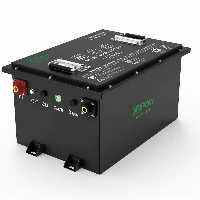
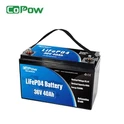
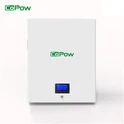
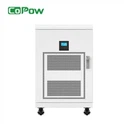
What is a Solar Power Battery Storage System?"Battery storage" might sound complicated, but it's simply a way to store the extra electricity your solar system produces for later use.
For example, during the day when your solar panels generate more electricity than your home consumes, the surplus can either be sent back to the grid or go unused. A battery storage system allows you to store this excess energy for use at night, during cloudy days, or in case of power outages.
In other words: Solar power + battery storage = generating your own electricity during the day and using it when you need it, including as a backup. By 2025, battery storage will have shifted from being a luxury to becoming a practical standard for residential solar systems.

How Solar Batteries Work?
Understanding battery storage is easier when broken down step by step:
1. Power Generation
Solar panels convert sunlight into direct current (DC) electricity, the first step in the process.
2. Supply & Usage
During the day, DC electricity is converted to alternating current (AC) via an inverter to power your home. Any excess electricity can either flow back to the grid (for grid-tied systems) or charge your battery.
3. Storage
The battery stores excess electricity in chemical form for later use, which is essential for allowing a home solar battery storage system to supply energy at any time of the day.
4. Discharge / Backup
At night, during cloudy weather, or during power outages, the battery releases stored energy to power your home.
In short, the energy flow is: Sun → Solar Panels → Home Use / Battery Storage → Home Use When Needed.
With declining net metering benefits and rising electricity costs, battery storage is becoming increasingly valuable in 2025.
types of solar battery storage systems
1. Classification by Battery Chemistry
This is the core factor that determines battery lifespan, safety, and price.
Lithium Iron Phosphate (LFP / LiFePO4)
Status: The absolute mainstream for home energy storage in 2026.
Advantages: Extremely safe, long lifespan of 6,000 to 10,000 cycles, and environmentally friendly.
Applications: Suitable for the vast majority of residential energy storage systems.
Nickel Manganese Cobalt (NMC / LiNiMnCoO2)
Status: Was once mainstream, such as early Tesla Powerwall models, but its share in the residential market is shrinking in 2026.
Advantages: High energy density, making it more compact and lightweight.
Disadvantages: Lower thermal stability and shorter cycle life compared to lithium iron phosphate.
Sodium-Ion
Trend in 2026: The cost-effective choice. Entering the mass market as a low-cost alternative to lithium batteries.
Advantages: Raw materials are widely available, perform well in extremely low temperatures, and are highly safe.
Applications: Ideal for regions with tight budgets or cold climates.
All-Vanadium Flow Batteries
Advantages: Virtually unlimited cycles, supports 100% deep discharge, and no fire risk.
Disadvantages: Bulky and expensive.
Applications: Mostly used in commercial or large-scale farm setups, rarely in ordinary homes in 2026.
2. Classification by System Coupling Method
| Type | Connection Method | Best Use Case |
|---|---|---|
| DC-Coupled | The battery is directly connected to the solar panels through a hybrid inverter. | New installations: Minimizes energy conversion losses, highest efficiency (DC to DC). |
| AC-Coupled | The battery has its own independent inverter and connects to the home's AC circuit. | Upgrading existing systems: If solar panels are already installed, just add a battery without replacing the existing inverter. |
| All-in-One | The battery, inverter, and management system are integrated in a single cabinet. | Minimalist setup: Fastest installation, aesthetically pleasing (e.g., Tesla Powerwall 3). |
3. Classification by Application Function
Self-Consumption
The main goal is to store electricity during the day and use it at night, completely avoiding high electricity costs.
Off-Grid / Backup
Focuses on power outage protection. In 2026, top-tier systems can achieve millisecond-level switching, so appliances may not even reboot during a blackout.
Virtual Power Plant (VPP)
Batteries with built-in AI can automatically charge when electricity prices are low and sell power back to the grid when prices are high or supply is tight, generating profit.
2026 Buying Guide – How to Avoid Pitfalls
Choose LFP First
Unless your installation space is extremely limited, lithium iron phosphate offers the best value and safety in 2026.
Pay Attention to Expandability
Make sure the system you buy supports future stacking of battery modules. Many households find that 10 kWh is not enough and want to expand to 20 kWh after a year.
Check Cycle Life
In 2026, high-quality batteries typically come with warranties covering 10 years or 6,000–8,000 cycles.

Top Advantages of Installing Solar Battery Storage in Your Home
Why should you install a solar battery system? Key benefits include:
Greater energy independence: Rely less on the grid, and stay powered during outages or voltage fluctuations.
Save on electricity bills: Store daytime solar energy to use during high-cost peak hours.
Optimize self-consumption: More of your solar energy is used at home instead of being wasted or sent back to the grid.
Policy advantages: Even if net metering compensation drops, storage systems remain economically beneficial.
Environmental benefits: Reduce reliance on fossil-fuel-generated electricity.
Reliable backup: Keep critical appliances powered during emergencies or natural disasters.
Battery storage improves economic, environmental, and energy security benefits.
Who Should Use a Solar Power Battery Storage System?
Not every household needs battery storage, but it's particularly beneficial in these situations:
Poor or unreliable grid power with frequent outages.
Time-of-use electricity pricing with high peak rates.
High solar generation during the day, but low household daytime consumption.
Declining net metering compensation.
Need for backup power for critical appliances.
Planning for future energy expansion (e.g., EV charging or additional appliances).
If any of these scenarios apply, a solar battery system is worth considering.
Grid-Tied vs Hybrid Solar Systems: How to Choose the Right One
System Definitions
Grid-Tied System: Solar energy first powers your home; excess electricity is sent to the grid. Battery storage is minimal or absent.
Hybrid System: Combines solar panels with battery storage to store extra energy for later use and provide backup during outages.
Key Decision Factors
Budget: Grid-tied systems are cheaper upfront, while hybrid systems are more expensive but offer long-term savings and backup power.
Usage Patterns: Homes with heavy nighttime consumption benefit more from hybrid systems.
Grid Compensation Policies: If net metering is generous, a grid-tied system may suffice; otherwise, a hybrid is better.
Backup Needs: Hybrid systems provide stronger protection during outages.
Installation & Maintenance Complexity: Hybrid systems are more complex and require careful monitoring.
Future Expansion: Hybrid systems offer flexibility for adding EV chargers or new appliances.
Summary: Hybrid systems are ideal for homeowners seeking self-sufficiency, reliable backup, and peak-hour savings.
AC-Coupled vs DC-Coupled Solar Battery Storage Systems Explained
Solar battery systems can be AC-coupled or DC-coupled, each with pros and cons:
AC-Coupled
Solar power is converted to AC by the inverter, then stored in the battery in DC form, and then converted back to AC for home use.
Pros: Easier to retrofit existing solar systems.
Cons: More energy conversions, slightly lower efficiency.
DC-Coupled
Solar power directly charges the battery in DC; the inverter converts DC to AC for home use.
Pros: Fewer energy conversions, higher overall efficiency.
Cons: Retrofitting to existing grid-tied systems can be more complex.
Recommendation:
New installations: DC-coupled for efficiency and future expansion.
Retrofit systems: AC-coupled for simplicity and lower cost.
How to Size Your Solar Battery Storage System Correctly?
Correct sizing is essential for performance and cost-effectiveness.
Steps:
Determine daily electricity usage, including critical loads.
Calculate solar generation and potential surplus.
Define storage goals: nighttime use, outage backup, or peak shaving.
Check battery specifications: capacity, depth of discharge (DoD), efficiency, and lifespan.
Estimate required storage: Desired storage ÷ usable capacity percentage.
Balance cost with performance to get the best value. Choosing a system that is too large raises expenses, while one that is too small reduces the benefits. Finding the right size is the key to maximizing the value of your residential solar battery storage.
Proper sizing ensures efficient storage and maximizes long-term economic value.
Calculating Whole-House Backup Battery Capacity for Solar Systems
To power most or all home appliances during outages:
Calculate total household electricity consumption.
Decide on backup duration (hours or days).
Required storage = Consumption × Duration.
Adjust for battery efficiency and DoD.
Add a safety margin for cloudy days or future expansion.
Typical full-house backup requires 10–30 kWh, depending on home size and usage. Limiting backup to critical loads reduces required capacity.
Best Battery Types for Solar Power Storage
Common Types:
Lead-Acid: Low cost, shorter lifespan, limited DoD.
Lithium-Ion: High energy density, long lifespan.
LiFePO₄ (Lithium Iron Phosphate): Very safe, long lifespan, excellent DoD.
Others (Flow, Saltwater): Rare for residential use.
Best Choice: LiFePO₄ batteries are ideal for home solar storage due to safety, lifespan, and reliable performance.
Why LiFePO₄ Batteries Are Ideal for Home Solar Backup?
High Safety: Low risk of fire or thermal runaway.
Long Lifespan & Many Cycles: Outperforms other lithium types.
Deep Discharge Capability: Most stored energy is usable.
Low Maintenance: Reliable over the long term.
Optimized for Solar Storage: Works efficiently with solar panels for day-to-night energy use.
Using Solar Battery Storage to Cut Electricity Costs During Peak Hours
Store excess daytime solar energy for use during high-priced evening hours.
Declining net metering in many regions makes self-consumption more cost-effective.
Advanced options like Virtual Power Plants (VPPs) may provide additional incentives.
Net Metering vs Home Solar Battery Storage: Which Saves More?
High compensation: Sending energy to the grid may be more profitable.
Low compensation or high peak pricing: Battery storage saves more money.
Usage & system size: Matching storage to household needs is critical.
Budget & ROI: Batteries cost more upfront but provide resilience, flexibility, and long-term savings.
By 2025, with reduced net metering compensation and higher peak electricity rates, battery storage will often become the smarter choice.
Long-Term Returns and Energy Savings of Residential Solar Battery Systems
Reduces electricity bills.
Increases solar system utilization.
Provides reliable backup power.
Can increase property value.
Offers environmental benefits by lowering the carbon footprint.
Long-term returns depend on electricity rates, solar generation, subsidies, and battery costs.
Seasonal Performance of Solar Power Battery Storage: Summer vs Winter
Summer: Long daylight, high solar output, potential heat stress on batteries, high cooling demand.
Winter: Short daylight, lower solar output, higher heating/lighting needs; may require larger battery capacity.
Proper system sizing and installation should consider seasonal variations to ensure consistent performance.
Can Solar Batteries Be Installed Outdoors? Waterproof and Cold Protection Tips
Many batteries are designed for indoor or semi-outdoor use.
Temperature: Extreme cold or heat reduces efficiency.
Waterproof & dustproof: Check IP rating.
Ventilation: Batteries generate heat; ensure airflow.
Lightning & grounding: Proper protection is essential.
Outdoor installation is feasible in mild climates with proper protection. Extreme climates may require indoor installation.
Warranty, Compatibility, and Safety Tips for Home Solar Battery Storage
Warranty: Check cycles, DoD limits, and certified installation.
Compatibility: Battery must match the inverter type; AC vs DC coupling matters.
Safety: Proper installation, ventilation, temperature control, grounding, and overload protection are critical.
Maintenance: Regular monitoring of voltage, temperature, and balance ensures long-term reliability.
Conclusion
The Solar Power Battery Storage System, which integrates solar panels with advanced battery storage, has become the new standard for residential energy setups in 2025. Proper sizing, correct installation, and attention to seasonal performance, safety, and warranties are essential to maximize efficiency, savings, and backup reliability.
Welcome to contact us for more up-to-date information.
faq
How long can a Solar Power Battery Storage System power my home during an outage?
The duration depends on your battery size, home electricity demand, and how many appliances you want to run. A typical home backup system (10–20 kWh) can power essential loads, such as lights, WiFi, refrigerator, and small appliances, for 8 to 24 hours. Larger systems (20–30 kWh or more) can support whole-house power for longer outages, especially when paired with ongoing solar generation.
Is a Solar Power Battery Storage System worth it if my region still offers net metering?
Yes. Even with net metering, battery storage adds key advantages: protection during outages, better control of peak-hour costs, and reduced reliance on the grid. As many regions are lowering net metering compensation in 2025, having your own storage ensures greater long-term savings and energy independence.
What is the ideal battery type for home solar systems, and why?
LiFePO₄ batteries are the best choice for residential setups due to their high safety, long lifespan, stable performance, and deep discharge capability. Compared to traditional lead-acid batteries, they require less maintenance and deliver far better efficiency for day-to-night solar energy use.
related article