With so many battery manufacturers on the market, choosing a supplier that offers reliability, cost advantages, and technical support has become a key concern for forklift dealers, equipment manufacturers, and fleet operators.
This article highlights 10 forklift battery manufacturers worth watching in the U.S. market in 2026, including CoPow, EnerSys, East Penn, OneCharge, and Flux Power, and analyzes their product technologies, manufacturing capabilities, and competitive advantages.
In addition, we will explore the pros and cons of sourcing domestically versus importing from overseas, the strengths of major global manufacturing countries, and trends in the U.S. forklift battery market to help buyers make more informed supplier decisions.

CoPow Battery – A Chinese Lithium-Ion Forklift Battery Manufacturer Serving the U.S. Market

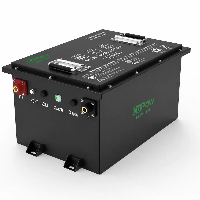
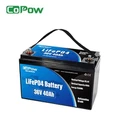
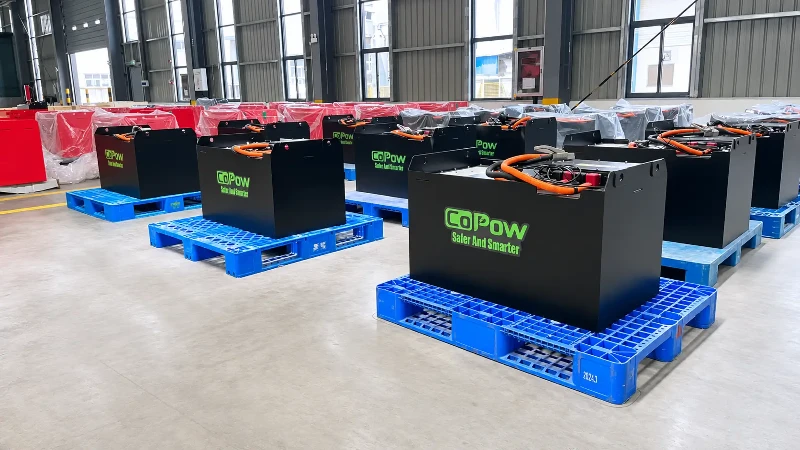
CoPow is a China-based lithium-ion forklift battery manufacturer serving the U.S. market, specializing in the research, development, manufacturing, and OEM/ODM customization of industrial motive power batteries.
Founded in 2011, the company operates a manufacturing facility covering approximately 32,000 square meters. CoPow offers a comprehensive range of LiFePO4 forklift batteries in 24V, 36V, 48V, 72V, and 80V configurations, widely used in counterbalance forklifts, reach trucks, electric pallet jacks, and warehouse logistics equipment.
The company's core R&D and founding teams include professionals from leading battery manufacturers such as CATL and BYD, bringing an average of over 16 years of technical experience in power batteries and energy storage systems. Guided by its core philosophy of "Safer and Smarter," CoPow develops reliable battery solutions through stringent manufacturing standards and comprehensive in-house R&D capabilities.
CoPow's lithium forklift batteries are designed as direct replacements for traditional lead-acid batteries without requiring major modifications to existing equipment. The company also provides comprehensive technical support throughout the replacement process, including battery dimension verification, installation structure assessment, charger compatibility testing, BMS integration, and post-installation operator training.
These services help minimize potential issues during battery upgrades, such as equipment alarms, communication failures, and reduced operating range.
Today, CoPow's forklift battery solutions are used in more than 40 countries and regions worldwide.
CoPow is committed to providing U.S. forklift dealers, equipment manufacturers, and industrial fleet operators with safe, efficient, and low-maintenance lithium battery solutions.

Compatibility: Supports the development of adapters for major forklift brands such as Toyota, Hyster, Yale, Crown, Raymond, Linde, and Hangcha, and supports CAN bus and RS-485 communication protocols.
After-Sales Service: Supports adaptation and development for major forklift brands such as Toyota, Hyster, Yale, Crown, Raymond, Linde, Hangcha, Komatsu, and STILL, and supports CANBUS and RS485 communication.
Customization Capabilities: We offer OEM/ODM customization for voltage (24V–80V), capacity, dimensions, enclosure design, BMS, communication protocols, and charging systems.
Contact Information
Email: admin@huanduytech.com
Phone: +86-755-89998295
Office Address: Chengtouxin Times Building, No. 2009 Pingshan Avenue, Pingshan Street, Shenzhen, Guangdong, China
EnerSys
EnerSys is an industrial energy storage company headquartered in Reading, Pennsylvania, United States, and one of the world's leading suppliers of motive power batteries for electric forklifts, pallet trucks, and other material handling equipment.
The company's origins can be traced back to the Hawker Battery Group, founded in Manchester, United Kingdom, in 1891, making it one of the world's earliest battery manufacturers.
EnerSys was officially established in 2000 following the acquisition of Yuasa's reserve power and motive power businesses in North and South America. In 2002, the company further expanded by acquiring the energy storage division of Invensys Group, which included the former Hawker operations. In 2005, EnerSys continued its expansion by acquiring FIAMM's motive power battery business in Italy.
Through this series of acquisitions, EnerSys has accumulated more than a century of industrial battery manufacturing expertise and established an extensive global portfolio of battery brands.
In the forklift battery market, EnerSys operates through its Motive Power segment, serving both original equipment manufacturers (OEMs) and the aftermarket in the material handling industry. Its customers span warehousing, logistics, retail, manufacturing, and other industrial sectors.
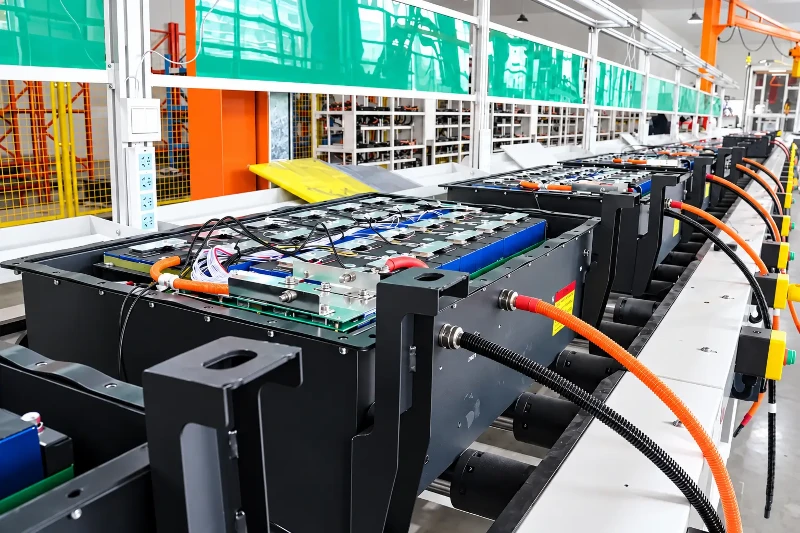
To accommodate different budgets and operating demands, EnerSys offers a comprehensive range of battery technologies, including flooded lead-acid (FLA) batteries, virtually maintenance-free thin plate pure lead (TPPL) batteries, and lithium-ion batteries. The company also provides compatible chargers, battery monitoring systems, and fleet management solutions.
Its motive power battery brands include Hawker, IRONCLAD, NexSys, General Battery, Fiamm Motive Power, Oldham, and Express.
Among these brands, the Hawker product line offers established battery solutions compatible with a wide range of European, American, Japanese, and Korean forklift brands, including Linde, Hyster, Crown, Toyota, and Komatsu.
From a technological perspective, one of EnerSys' most notable competitive advantages is its application of thin plate pure lead (TPPL) technology within established lead-acid battery systems.
These batteries feature low internal resistance, fast-charging capabilities, strong high-temperature performance, and longer cycle life than conventional lead-acid batteries under suitable operating conditions. TPPL technology remains one of the company's key product offerings in the motive power battery market.
The NexSys iON lithium-ion battery series represents one of EnerSys' most advanced motive power technologies.
On July 31, 2026, EnerSys officially introduced its next-generation NexSys iON lithium-ion battery, emphasizing high performance, extensive compatibility with existing forklift fleets, and faster return on investment.
According to the company's official product information, the series supports ultra-fast charging and delivers a nominal daily energy throughput of up to 300%, making it suitable for demanding multi-shift operations.
The batteries feature a modular design that allows them to fit existing battery compartments and accommodate a broad range of forklift models. They also incorporate built-in Internet of Things (IoT) connectivity, enabling remote performance optimization, improved fleet visibility, and reduced on-site maintenance requirements.
East Penn (DEKA)
East Penn was founded in 1946 and is a long-established industrial battery manufacturer headquartered in Lyon Station, Pennsylvania, United States.
The company operates the world's largest single-site lead-acid battery manufacturing facility, covering more than 514 acres (approximately 208 hectares). With over 500 patented technologies, annual sales exceeding $3 billion, and products distributed to more than 100 countries and regions worldwide, East Penn has established a strong presence in the global battery industry.
As a well-known supplier in the global forklift motive power market, East Penn offers a comprehensive range of power solutions specifically designed for forklifts and other heavy-duty industrial equipment. Its DEKA D-Series motive power batteries are suitable for conventional charging and opportunity charging applications.
When paired with the company's PowerForce series of intelligent battery chargers, these batteries deliver reliable, long-lasting power for electric forklifts operating in warehouses, manufacturing facilities, and other industrial environments.
In addition, East Penn offers maintenance-free READY POWER lithium-ion forklift batteries to meet the varying operational requirements of different industrial applications.
East Penn also operates an EPA-compliant, closed-loop lead recycling and smelting system in the United States, enabling the recovery and recycling of nearly 100% of the materials in used lead-acid batteries. Its manufacturing operations have obtained ISO 9001 and ISO/TS 16949 quality management certifications, as well as ISO 14001 environmental management certification.
Exide Technologies
Founded in 1888 and headquartered in Paris, France, Exide Technologies is a leading global provider of energy storage solutions with over 130 years of experience in battery manufacturing.
As one of the world's largest manufacturers and recyclers of lead-acid batteries, the company operates in more than 100 countries and regions worldwide. The Group operates 2 R&D centers, 11 manufacturing plants, and 3 specialized lead-acid battery recycling facilities worldwide. With a global workforce of approximately 8,000 employees, the company serves as a key supplier to many leading forklift and industrial vehicle manufacturers.
Its GNB Industrial Power division specializes in providing customized power and energy storage solutions for industrial mobile applications such as forklifts and cleaning equipment.
This division not only offers proven flooded lead-acid power batteries but has also launched the Marathon Pure Energy series of forklift batteries, based on advanced Thin Plate Pure Lead (TPPL) AGM technology, as well as lithium-ion power systems tailored for forklift applications.
This product series excels in stability, total cost of ownership, and operational safety, helping logistics fleets achieve smarter electrification upgrades.
The forklift-specific products maintain stable capacity output even in low-temperature environments and feature strong deep-cycle endurance, meeting the demands of high-frequency, heavy-load continuous operations in warehousing and logistics. They enjoy a strong global market reputation in the material handling industry.
Crown Battery

Crown Battery is a long-established, privately owned American battery manufacturer founded in 1926. Headquartered in Fremont, Ohio, where its primary manufacturing facility is also located, the company has nearly a century of experience in industrial battery research, development, and manufacturing.
Crown Battery operates 14 sales and distribution offices across North America and employs more than 600 people. Its global sales and service network spans more than 50 countries across six continents, including the Americas, Europe, Africa, Asia-Pacific, Australia, and New Zealand, establishing the company as a recognized leader in the deep-cycle industrial battery industry.
Its industrial motive power battery lineup is specifically designed for material handling equipment, including electric forklifts, pallet trucks, and automated guided vehicles (AGVs). These batteries are compatible with a wide range of industrial forklift models from major manufacturers.
Crown Battery's core products feature industry-leading thick-plate technology, incorporating its proprietary Z3 plate design, LifePlus active paste formulation, and embedded lug technology. These innovations are combined with the X-Tend container design, which increases the electrolyte reserve above the battery plates, significantly improving deep-cycle durability and continuous discharge performance.
These technologies effectively reduce routine maintenance requirements for forklift fleets while extending overall battery service life.
Crown Battery's AGM forklift battery series utilizes an advanced inline AGM COS automated manufacturing process, ensuring high-precision quality control throughout production. These batteries feature lower internal resistance and reduced energy losses, improving overall operating efficiency.
Additionally, their sealed, valve-regulated design effectively minimizes the risks of electrolyte leakage and corrosion. The use of lead-calcium alloy grid technology also significantly reduces self-discharge rates, making these batteries suitable for warehouses, logistics centers, and other demanding material handling environments that require frequent, heavy-duty, and continuous operation.
With decades of manufacturing expertise and proven industrial battery technologies, Crown Battery has established a strong and enduring reputation in the global material handling industry.
OneCharge
OneCharge was founded in 2012 and is a U.S.-based manufacturer specializing in lithium-ion forklift batteries. It is also one of the largest developers, manufacturers, and integrators of lithium-ion forklift batteries in the United States. Headquartered in Garden Grove, California, the company serves customers across the Americas and other international markets.
OneCharge offers a comprehensive range of lithium-ion battery solutions designed for various material handling applications. Its product portfolio currently includes more than 650 battery models with different specifications, providing compatibility with Class I, II, and III forklifts.
In addition, OneCharge provides customized lithium-ion battery power solutions for industrial equipment, including airport ground support equipment and aerial work platforms.
Beyond standard forklift batteries, OneCharge has expanded its product portfolio to include high-voltage battery systems and its specialized "Frost" battery series, designed for extremely cold operating environments. The company also offers dedicated lithium-ion forklift chargers, battery discharge indicators, and other accessories, while supporting CAN bus integration between batteries, vehicles, and chargers.
Since 2018, OneCharge has participated in the Hyster-Yale aftermarket program, allowing its products to be distributed throughout North America through the Hyster and Yale dealer networks.
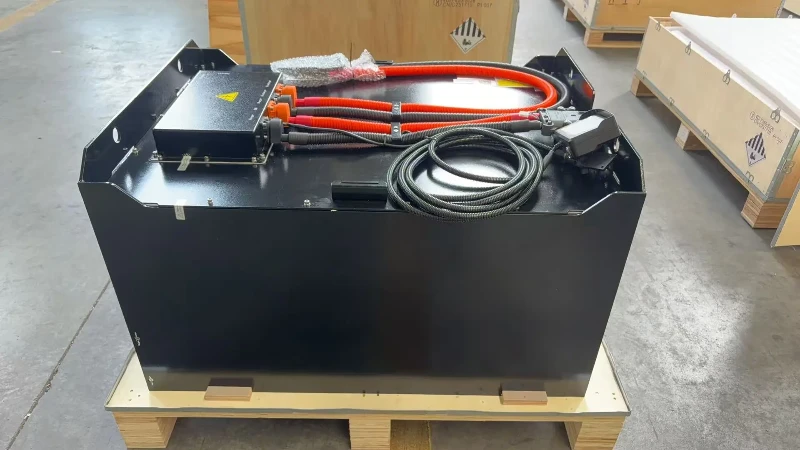
All OneCharge batteries feature the company's proprietary Equalizer active Battery Management System, which supports opportunity charging and allows forklifts to recharge during short 15-minute breaks. The batteries require no routine maintenance and offer a cycle life of approximately 3,000 to 5,000 cycles. Its low-temperature models can operate reliably in cold storage environments at temperatures of -20°C (-4°F) or even lower.
Furthermore, OneCharge integrates remote monitoring technology to track critical battery parameters in real time, including individual cell voltage balance and temperature gradients. This technology helps customers in industries such as third-party logistics achieve fleet availability rates of up to 98%, while potentially saving approximately 45 minutes per forklift per day by eliminating battery swapping.
The company has also introduced a Battery-as-a-Service (BaaS) leasing model and its modular ECO battery series, which can be expanded from 30 kWh to 300 kWh to accommodate different operational requirements.
Today, OneCharge batteries are widely used across industries such as food and beverage, pulp and paper, forestry, industrial manufacturing, distribution, logistics, retail, and consumer goods. Its lithium-ion battery solutions help businesses transition smoothly from traditional lead-acid batteries and diesel-powered equipment to safer, more efficient alternatives with lower total lifecycle costs.
Bulldog Battery

Founded in 1977, Bulldog Battery Corporation is a specialized manufacturer of industrial power batteries based in Wabash, Indiana, specializing in the research, development, design, manufacturing, and customization of industrial lead-acid batteries. The company has accumulated nearly 50 years of extensive experience in the U.S. forklift battery market.
Since July 2015, the company has operated under a 100% employee-owned structure and operates a modern manufacturing facility covering approximately 200,000 square feet (about 18,580 square meters).
Bulldog Battery adheres to a U.S.-based manufacturing model and possesses in-house manufacturing capabilities ranging from battery cells and steel battery cases to internal connection components, enabling effective control over product quality, production costs, and delivery lead times.
According to data released by the company, the warranty return rate for batteries is less than 1%, and most standard and custom battery orders can be shipped within two weeks.
In terms of products, Bulldog Battery primarily offers industrial traction lead-acid batteries, which are widely used in industrial equipment such as electric counterbalanced forklifts, reach trucks, order pickers, electric pallet trucks, automated guided vehicles (AGVs), and autonomous mobile robots.
In addition, the company manufactures explosion-proof batteries, anti-static batteries, mining locomotive batteries, and diesel engine starter batteries to meet the power demands of warehouses, logistics centers, industrial manufacturing facilities, mining operations, and other specialized working environments.
In addition to standard industrial batteries, Bulldog Battery offers battery design services, custom solutions for special specifications, maintenance training, and technical support. The company has also launched the TOBi Battery Companion, a battery maintenance tool designed to help customers improve daily maintenance management and extend battery life.
With advantages such as local manufacturing, flexible customization, and short lead times, Bulldog Battery has become a trusted supplier of industrial power batteries to U.S. industrial vehicle manufacturers, forklift dealers, and warehousing and logistics companies.
Flux Power
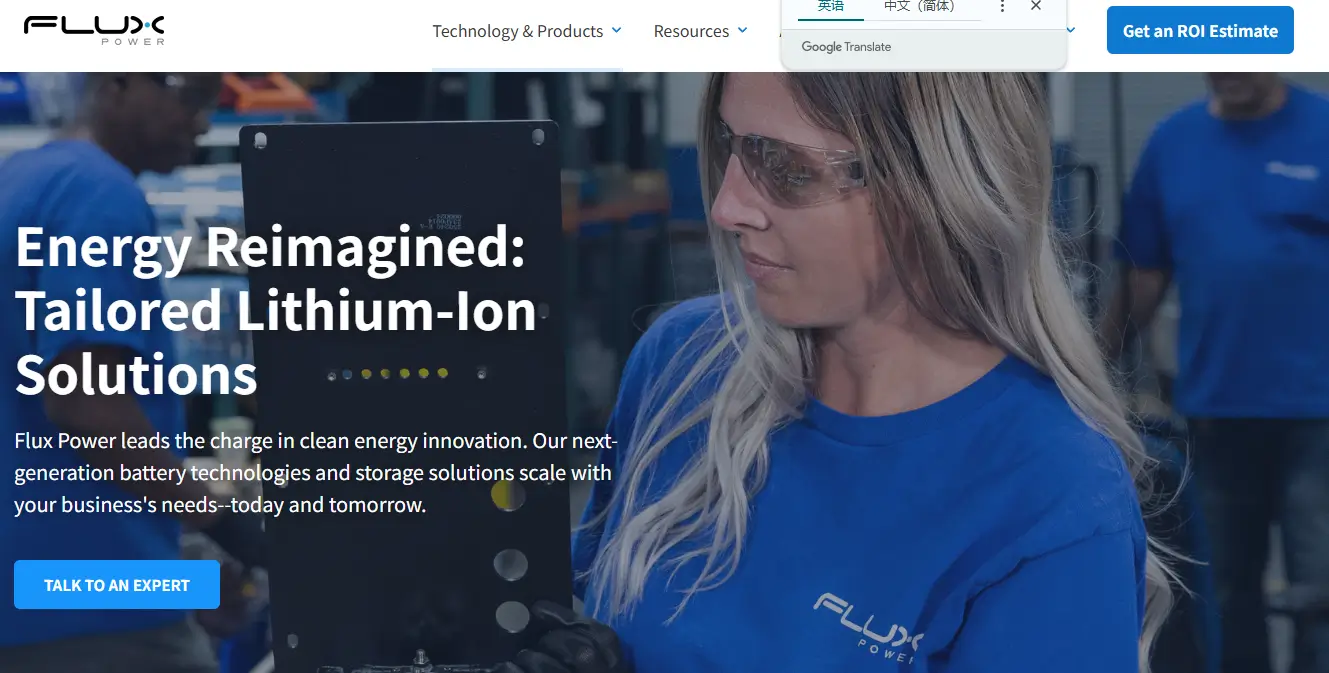
Flux Power is a Nasdaq-listed U.S. provider of industrial lithium-ion energy storage solutions, headquartered in Vista, California. The company specializes in the research, development, and manufacturing of lithium-ion batteries for material handling equipment, with more than a decade of industry experience.
To date, more than 32,000 battery packs have been deployed in real-world applications worldwide.
Flux Power initially focused on designing and manufacturing battery packs for electric vehicles before undergoing a strategic transformation to concentrate on the industrial forklift lithium-ion battery market.
The company subsequently introduced its comprehensive LiFT Pack lithium-ion forklift battery product line, covering a wide range of material handling equipment, including the S Series for Class III walkie pallet jacks, the X Series for Class I counterbalance forklifts, the M36 Series for Class II narrow-aisle forklifts, and the M24 Series for Class III rider pallet jacks.
Several of the company's core products have obtained UL safety certifications. Flux Power is also among the few battery suppliers whose products have been tested and approved by three major global forklift manufacturers: Toyota, Raymond, and Crown.
In addition, Flux Power has established a strategic partnership with Clark, one of the world's top ten forklift manufacturers, providing lithium-ion power upgrade options for its extensive dealer network and end users.

Flux Power's integrated battery solutions feature its proprietary Battery Management System, which precisely manages cell balancing, charging and discharging processes, battery health monitoring, and real-time communication between the battery pack and the forklift.
The system also incorporates intelligent remote monitoring capabilities, enabling fleet operators to optimize maintenance strategies through data-driven insights.
Compared with traditional lead-acid batteries, Flux Power's lithium-ion batteries can deliver up to 45% longer runtime at the same rated capacity, along with an extended cycle life and lower total cost of ownership over their operational lifespan.
Furthermore, these batteries contain no lead or corrosive liquid electrolytes and do not release explosive gases during charging, helping reduce safety risks in warehouses and industrial facilities.
Beyond its core forklift battery business, Flux Power has expanded its product portfolio into several other industrial electrification applications, including airport ground support equipment (GSE), automated guided vehicles (AGVs), aerial work platforms, and industrial floor cleaning equipment.
With its extensive product portfolio, advanced battery management technology, and established partnerships with leading forklift manufacturers, Flux Power has become one of the prominent suppliers driving the transition from lead-acid to lithium-ion batteries in the North American industrial forklift market.
U.S. Battery Manufacturing

U.S. Battery Manufacturing (U.S. Battery Mfg. Co.) is a long-established U.S. manufacturer of deep-cycle industrial batteries. Founded in 1926, the company will celebrate its 100th anniversary in 2026.
The company is headquartered in Corona, California, and operates manufacturing facilities in California and Georgia. The company specializes in the research, development, manufacturing, and sales of deep-cycle power batteries and is one of the leading domestic manufacturers in the U.S. industrial deep-cycle lead-acid battery sector.
U.S. Battery focuses on providing battery solutions for small electric material handling equipment, aerial work platforms, industrial cleaning equipment, golf carts, and other industrial vehicles that require continuous deep discharge.
Its product line includes flooded lead-acid batteries, absorbent glass mat (AGM) batteries, and Essential Li® lithium iron phosphate (LiFePO₄) batteries, capable of meeting the diverse needs of various equipment in terms of battery capacity, maintenance requirements, service life, and procurement costs.
In terms of core technology, U.S. Battery's flooded lead-acid batteries utilize a proprietary XC2™ high-density active material formulation and Diamond Plate Technology® plate technology. By optimizing the plate structure, active material, and internal connection design, these batteries deliver enhanced deep-cycle endurance, vibration resistance, and energy output throughout their entire service life.
This battery series is available in a variety of voltage specifications, including 2V, 6V, 8V, and 12V, and can be connected in series to meet the power requirements of various industrial equipment.
In recent years, U.S. Battery has also begun expanding its lithium-ion battery business by launching the Essential Li® series, which integrates a smart battery management system, CAN bus communication, and an IP67-rated protective design.
With an officially stated cycle life exceeding 3,000 cycles and some models supporting fast charging in approximately 3 hours, these batteries further meet industrial vehicle users' needs for maintenance-free operation, fast charging, and low long-term operating costs.
U.S. Battery has established a distributor and sales service network covering both the U.S. domestic and overseas markets and has obtained ISO 9001:2015 Quality Management System and ISO 14001:2015 Environmental Management System certifications.
With nearly a century of experience in deep-cycle battery manufacturing, a diverse range of battery technologies, and a mature product supply system, U.S. Battery maintains a strong brand presence in the U.S. markets for industrial vehicles, material handling auxiliary equipment, and deep-cycle power batteries.
Green Cubes Technology

Green Cubes Technology is a U.S.-based manufacturer of industrial lithium-ion battery systems founded in 1986. Headquartered in Kokomo, Indiana, the company has nearly 40 years of experience in the research, development, design, and manufacturing of battery systems.
The company maintains business and technical teams in the United States, India, Malaysia, and Taiwan, among other regions, with a global workforce of over 300 employees, and is a specialized supplier in the North American lithium-ion battery market for material handling equipment.
Green Cubes Technology specializes in providing high-performance lithium-ion battery solutions for industrial forklifts, automated guided vehicles (AGVs), electric pallet trucks, airport ground support equipment, and other industrial electric vehicles, and possesses R&D capabilities in battery management systems, charging equipment, and battery system integration.
Its core product is the Lithium SAFEFlex series of lithium-ion batteries for industrial forklifts, which utilizes LiFePO4 technology. The series offers a variety of voltage specifications-including 24V, 36V, 48V, and 80V-with battery system capacities ranging from approximately 5 to 80 kWh, making it compatible with Class I, II, and III electric forklifts.
This product series features a modular design that can be configured according to the dimensions and weight requirements of the forklift's original battery compartment, allowing for direct replacement of traditional lead-acid batteries and reducing the need for equipment modifications.
Technologically, Green Cubes Technology's Lithium SAFEFlex batteries integrate a smart battery management system capable of real-time monitoring of voltage, current, temperature, and battery operating status, while supporting CAN bus communication and battery operation data management.
According to official data, the charging efficiency of these forklift batteries exceeds 98%, enabling a fast charge in approximately one hour. They support opportunistic charging and continuous multi-shift operation, thereby reducing forklift downtime and daily maintenance costs.
In addition, Green Cubes Technology has launched an upgraded SAFEFlex PLUS battery system. Optimized for the high-intensity operating environments of industrial forklifts, this product features a low-temperature heating function and has obtained safety certifications and test compliance documents such as UL 2580 and UN38.3.
With its proven battery system integration technology, intelligent monitoring capabilities, and a variety of industrial equipment adaptation solutions, Green Cubes Technology has become a manufacturer of note for U.S. forklift users looking to transition from lead-acid batteries to lithium-ion power systems.
What Are the Pros and Cons of Choosing a U.S. Forklift Battery Manufacturer?
For forklift dealers, equipment rental companies, warehousing and logistics firms, and industrial battery buyers in the United States, choosing a U.S.-based forklift battery manufacturer typically means more convenient after-sales service, faster delivery times, and smoother technical communication.
However, batteries manufactured in the United States may also present challenges such as higher procurement costs, limited product selection, and insufficient flexibility for customization.
Advantages of Choosing a U.S. Forklift Battery Manufacturer
1. Faster Delivery
U.S.-based manufacturers can quickly deliver standard forklift batteries through their local factories or warehouse networks, thereby reducing the time costs associated with international ocean freight, import clearance, and cross-border logistics.
This advantage is particularly significant for warehousing companies and forklift rental firms that need to replace batteries urgently.
2. More Convenient After-Sales Service
U.S. forklift battery suppliers have localized technical service teams or dealer networks that can provide services including on-site inspections, battery repairs, fault diagnosis, and warranty support, thereby helping to reduce equipment downtime and lower ongoing maintenance costs.
3. Better Ability to Meet U.S. Market Requirements
Manufacturers familiar with the U.S. market typically have a better understanding of local industrial equipment safety requirements, battery shipping regulations, and relevant certification standards (such as applicable UL standards).
For large warehousing companies, forklift manufacturers, and industrial equipment purchasers, this helps streamline the supplier vetting and product acceptance processes.
Disadvantages of Choosing U.S. Forklift Battery Manufacturers
1. Relatively High Purchase Costs
Due to labor, production facilities, operational, and supply chain costs, the prices of some forklift batteries manufactured in the United States may be higher than those from Asian suppliers.
For forklift dealers and rental companies that purchase in bulk, the higher initial purchase costs may impact their profit margins.
2. Customization flexibility may be limited
U.S. suppliers tend to offer standardized battery products.
For customers requiring specific battery dimensions, weight balancing, capacity configurations, Battery Management System communication protocols, or charger compatibility, customized solutions may involve higher development costs, longer lead times, or minimum order quantity requirements.
3. Battery Cells Still Rely on Overseas Supply Chains
Although the batteries are assembled in the United States, their core battery cells, electronic components, or battery management systems may still be supplied by overseas vendors.
Therefore, choosing a U.S.-based brand does not mean that its entire battery supply chain is located in the United States; the products may still be affected by international trade policies, import tariffs, and fluctuations in the global supply chain.
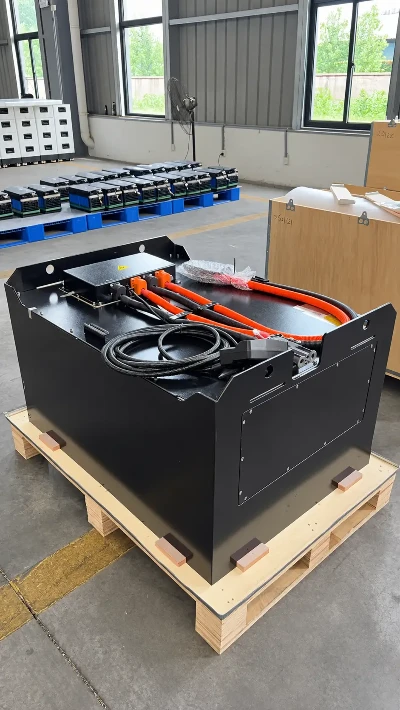
When Should You Consider Importing Forklift Batteries from Overseas?
For U.S. forklift dealers, equipment rental companies, warehousing and logistics firms, and industrial battery wholesalers, importing forklift batteries from overseas may be a more competitive option if domestic suppliers cannot meet their procurement needs in terms of price, product specifications, customization capabilities, and bulk supply.
In particular, countries like China, which have a mature lithium-ion battery supply chain, can provide forklift power battery solutions in a variety of voltages and capacities, as well as customized options.
1. Reducing Costs for Bulk Purchases
When a company needs to purchase dozens or even hundreds of sets of forklift batteries in bulk, it may consider selecting an overseas supplier.
Overseas manufacturers, thanks to their large-scale production, established battery cell supply chains, and lower manufacturing costs, can offer more competitive ex-factory prices; however, buyers must still factor international shipping costs, import duties, customs clearance fees, and after-sales service costs into the total procurement cost.
2. Special Specifications or Custom Batteries
For replacing old forklift batteries, adapting to specific models, or meeting requirements for non-standard battery compartment sizes, overseas OEM/ODM manufacturers may offer more flexible customization services.
These services include adjusting battery voltage, capacity, case dimensions, counterweights, BMS communication protocols, and charger compatibility, and are particularly suitable for models from brands such as Toyota, Hyster, Yale, Linde, STILL, and Komatsu.
3. Domestic Suppliers Do Not Carry the Required Products
If U.S. domestic suppliers cannot provide forklift batteries with specific voltages, capacities, or technologies, importing them from overseas may be an option.
Examples include high-capacity lithium iron phosphate forklift batteries, low-temperature heated batteries, sodium-ion forklift batteries, and power battery systems suitable for specialized industrial equipment.
4. Procurement plans allow for longer lead times
For companies that have established annual procurement plans, need to replenish inventory on a regular basis, or need to schedule equipment upgrades in advance, incorporating overseas imports into their supply chain management is typically easier.
Although international shipping and customs clearance require additional time, placing orders in advance, shipping full container loads, and entering into long-term supply agreements can effectively reduce per-unit logistics costs and improve the stability of supply schedules.
5. Interested in establishing a private label or distributor business
For U.S. distributors and wholesalers planning to launch their own forklift battery brands, overseas manufacturers can provide OEM/ODM services, including customization of brand logos, battery appearance, product labels, packaging design, and technical specifications.
This helps companies build a differentiated product line without having to invest in their own battery production facilities.
6. A Desire to Diversify Suppliers
For companies that have long relied on a single U.S.-based supplier, bringing in qualified overseas battery manufacturers can expand procurement options, thereby reducing risks associated with insufficient production capacity, delivery delays, or price increases from a single supplier.
However, this also requires an assessment of the uncertainties surrounding international trade policies and cross-border supply chains.
Under what circumstances is importing from overseas not recommended?
If a company only needs to purchase one or two sets of standard forklift batteries and requires immediate delivery, it would be more convenient to choose a U.S.-based supplier with inventory on hand.
For companies that lack experience with imports, cannot afford international shipping costs, or require frequent on-site maintenance and technical support, choosing a local supplier may be a more suitable option.
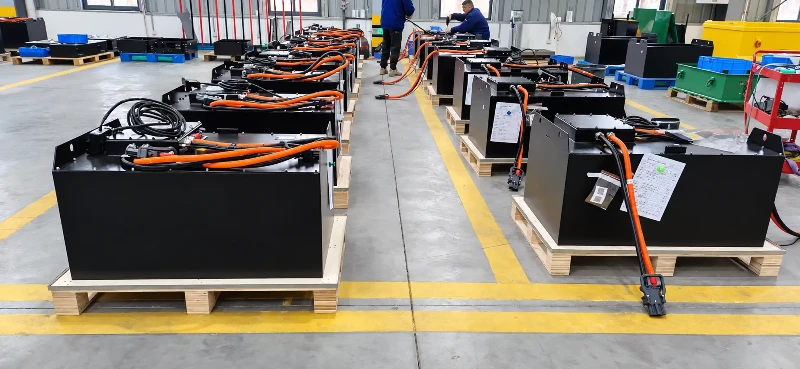
Which Countries Manufacture the Best Forklift Batteries?
The global forklift battery manufacturing industry is primarily concentrated in China, the United States, Japan, Germany, and South Korea, each of which possesses its own strengths in battery technology, manufacturing scale, product quality, and experience in industrial applications.
Among these, China is highly competitive in the large-scale production of lithium iron phosphate forklift batteries, cost control, and OEM/ODM customization.
The United States and Germany have extensive experience in industrial power batteries, system integration, and local after-sales service.
Japan is renowned for product reliability and rigorous quality management, while South Korea holds an advantage in lithium-ion cell technology and high-performance battery materials.
Comparison of Major Forklift Battery-Manufacturing Countries Worldwide
|
Country |
Key Advantages |
Representative Manufacturers |
|---|---|---|
|
China |
Lithium battery supply chain, cost competitiveness, customization capabilities |
CoPow, CATL, BYD |
|
United States |
Industrial battery expertise, local after-sales support |
EnerSys, Crown Battery, East Penn |
|
Germany |
Industrial engineering, quality control, system integration |
HOPPECKE, Triathlon |
|
Japan |
Reliability, manufacturing technology, quality management |
GS Yuasa |
|
South Korea |
Lithium-ion cell technology, battery materials R&D |
Samsung SDI, LG Energy Solution |
What Are the Key Trends in the U.S. Forklift Battery Market?
With the widespread adoption of warehouse automation, the extensive use of electric forklifts, and companies' ever-increasing demands for operational efficiency, the focus of the forklift battery market has gradually shifted toward high-efficiency charging, smart battery management, low maintenance costs, and sustainability.
1. The Accelerated Adoption of Lithium-Ion Forklift Batteries
Lithium iron phosphate batteries are becoming a key trend in the U.S. forklift battery market.
2. Growing Demand for Fast Charging and Opportunity Charging
U.S. warehousing companies are placing increasing emphasis on the continuous operating capability of forklifts.
This trend has driven battery manufacturers to enhance communication compatibility between battery management systems, chargers, and forklift controllers, thereby improving charging efficiency and system safety.
3. Intelligent Battery Management Systems Have Become a Key Competitive Factor
Forklift batteries are gradually evolving from mere power sources into intelligent energy management devices.
An increasing number of industrial battery systems are adopting intelligent battery management systems, which use communication protocols such as CAN bus and RS-485 to monitor battery voltage, temperature, current, state of charge, and operational faults in real time.
4. Warehouse Automation Drives Growth in Battery Demand
With the development of e-commerce, smart warehousing, and automated logistics in the United States, the range of applications for electric forklifts, automated guided vehicles (AGVs), and autonomous mobile robots (AMRs) continues to expand.
5. Total Cost of Ownership Becomes a Key Factor in Procurement Decisions
U.S. companies are gradually shifting their focus from comparing battery purchase prices to evaluating the total cost of ownership over the entire battery lifecycle, which includes purchase costs, energy consumption during charging, maintenance costs, battery replacement frequency, and losses due to equipment downtime.
6. Import Tariffs and Supply Chain Diversification
Changes in U.S. battery import policies and trade tariffs are influencing the supply chain decisions of forklift battery purchasers.
In addition to focusing on product prices, companies need to evaluate import costs, country of origin, delivery reliability, and the technical support capabilities of overseas suppliers.
Since U.S. battery imports will continue to be affected by trade policies in 2026, companies should consider adopting a supply chain strategy that combines domestic sourcing with overseas imports.
7. Growing Demand for Batteries in Low-Temperature and Special Operating Conditions
In industries such as cold-chain warehousing, food processing, pharmaceutical logistics, and outdoor material handling, there are increasingly higher demands for the low-temperature performance and operational stability of forklift batteries.
Consequently, lithium-ion batteries equipped with low-temperature heating, intelligent temperature management, and high-rate discharge capabilities will continue to attract attention.
At the same time, sodium-ion batteries offer a new technological option for extremely cold environments, though their commercial application in the U.S. forklift market is still in its early stages.

What Is the Most Commonly Used Forklift Battery Type in the U.S.?
In the United States, lead-acid batteries remain the most commonly used type of forklift battery in the existing fleet, but the share of new installations of lithium-ion batteries has rapidly risen to 46% (2026 data for North America).
Current Market Share
Lead-acid batteries: They account for approximately 54% to 62% of the installed base and remain the dominant choice in traditional warehousing scenarios involving single-shift operations and tight budgets. The U.S. has established supply chains featuring brands such as U.S. Battery, East Penn, and Crown Battery, and a recycling rate exceeding 95% further solidifies their dominance in the installed base.
Lithium-ion Batteries: They now account for 46% of new installation orders, and over 60% of Toyota North America's new electric forklift orders come standard with lithium-ion batteries. In multi-shift, high-turnover e-commerce distribution centers and cold storage facilities, the penetration rates of lithium-ion batteries have exceeded 50% and 41%, respectively, making them the fastest-growing category at present.
Distribution of Core Use Cases
Lead-acid batteries: Primarily used in small warehouses operating on a single-shift schedule, outdoor ports, and manufacturing facilities with low utilization rates. Due to their low initial purchase cost and ability to withstand harsh environments, they remain the mainstream choice for Class II forklifts.
Lithium-ion Batteries: Widely used in automated distribution centers operated by leading logistics companies such as Walmart and Amazon. Supporting opportunity charging and eliminating the need for battery swaps, they enable continuous operation for 2.5 to 3 shifts, thereby significantly improving fleet operational efficiency.
Conclusion
The 10 U.S. forklift battery manufacturers featured in this article each have their own strengths. Whether it's the delivery efficiency and after-sales service of domestic U.S. suppliers or the cost competitiveness and customization capabilities of overseas manufacturers, they can meet the needs of different buyers.
If you are looking for a forklift lithium-ion battery manufacturer that offers both cost advantages and customization capabilities, CoPow can provide you with LiFePO4 forklift batteries ranging from 24V to 80V, as well as OEM/ODM customization services, and supports battery replacement and upgrades for a variety of major forklift brands.
Please feel free to contact CoPow to learn about product specifications, receive technical support, and obtain quotes for bulk purchases.