When choosing the energy storage heart for your RV, boat, or off-grid solar system, the debate between AGM (Absorbent Glass Mat) and Lithium (LiFePO4) is the most common topic.
While AGM was once the industry standard, the rise of Lithium Iron Phosphate is changing the game.
So, which battery is truly best for your specific needs? This guide dives deep into the key differences to help you make an informed investment.

What Is an AGM Battery?
An AGM battery is an advanced version of the lead-acid battery. It uses a fiberglass mat to absorb the electrolyte, making it sealed, maintenance-free, and spill-proof. Compared to traditional flooded lead-acid batteries, AGM batteries are more vibration-resistant and can handle a wider range of temperatures.
What Is a Lithium Battery? (LiFePO4 Explained)
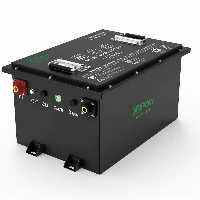
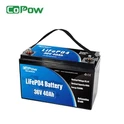
In deep-cycle applications, "Lithium" usually refers to LiFePO4. This is an incredibly stable chemistry. Unlike the lithium batteries in phones or laptops, LiFePO4 is non-combustible and has an extremely long cycle life. They come with a built-in Battery Management System (BMS) that automatically protects against overcharging, over-discharging, and short circuits.
AGM vs. Lithium: Key Differences at a Glance
| Feature | AGM Battery | Lithium (LiFePO4) |
| Depth of Discharge (DoD) | Recommended 50% | Up to 80% - 100% |
| Cycle Life | 300 - 600 cycles | 3,000 - 5,000+ cycles |
| Weight | Heavy | Lightweight (60% lighter than AGM) |
| Charging Speed | Slower | Ultra-Fast |
| Upfront Cost | Lower | Higher |
Cycle Life Comparison: Which Battery Lasts Longer?
Cycle life is where the gap is widest.
- AGM: If you stick to a 50% depth of discharge, an AGM battery typically lasts 3 to 5 years.
- Lithium: Lithium batteries can easily last 10+ years. Even with a full daily cycle, they retain over 80% capacity after 3,000 cycles.
Charging Speed and Efficiency
Lithium batteries have a charging efficiency of nearly 99%, while AGM sits around 85%. This means:
- Less Time: Lithium can accept a much higher current, charging up to 4x faster than AGM.
- Solar Optimization: You get more "real" power out of the same solar panels because of the ultra-low internal resistance of lithium.
Weight and Energy Density Differences
For RVs and boats, every pound counts.
- Energy Density: Lithium is far denser than AGM.
- Weight Savings: For the same usable 100Ah capacity, a lithium system can be over 200 lbs lighter than an AGM bank. This improves fuel efficiency and increases your vehicle's payload capacity.
Cost Comparison: Upfront vs. Long-Term Investment
- Upfront Cost: AGM wins. The initial price tag is usually about 1/3 that of lithium.
- Long-Term Cost: Lithium wins hands down. Because lithium lasts 10 times longer, you might replace 5–8 AGM sets in the time one lithium battery lasts. When calculating cost per cycle, lithium is actually the cheaper option.
Safety Considerations: Are Lithium Batteries Safe?
Many worry about fire risks with lithium, but LiFePO4 is the safest lithium technology available.
- It has extremely high thermal stability.
- The built-in BMS acts as a "brain," automatically disconnecting the battery if it detects issues like high temperature or over-voltage.
Which Battery Is Better for RV, Boat, and Solar Systems?
1. RVs
Due to space and weight constraints, Lithium is the top choice. It allows you to run high-power appliances (microwaves, AC) while boondocking without massive voltage drops.
2. Boats
For trolling motors or house loads, Lithium's constant voltage output-which stays steady even as the battery drains-is crucial. However, for a dedicated engine starter, a traditional AGM may still be more economical.
3. Solar Systems
Lithium batteries perfectly match the fluctuating output of solar panels and are the modern standard for off-grid homes and cabins.
When Should You Choose AGM?
Despite the perks of lithium, AGM still has its place:
- Extreme Cold: Lithium cannot be charged below 32°F (0°C) without a heater; AGM performs more reliably in freezing climates.
- Tight Budget: If you only use your setup for occasional weekend trips and don't want a high initial outlay.
- Starter Battery: AGM remains excellent for providing the high-burst current needed to crank a large engine.
When Should You Upgrade to Lithium?
You should upgrade if:
- You live off-grid frequently.
- You need to reduce your vehicle's weight.
- You want a "set it and forget it" long-term, maintenance-free solution.
Final Verdict: Is Lithium Worth the Upgrade?
While AGM batteries still serve specific niches,LiFePO4 is the ultimate solution for the vast majority of users seeking performance, longevity, and portability. Although the first step is more expensive, the convenience, lifespan, and energy efficiency will pay for themselves within a few years.