Buying a golf cart is easy, but maintaining the batteries? That's the hard part. From constant watering and rust removal to agonizingly slow charge times, traditional lead-acid batteries always seem to fail right when you need them most.
Today, more and more golfers are choosing a "one-and-done" upgrade to lithium, enjoying a hassle-free experience with batteries that can last over a decade. While the initial price tag might give you pause, the real surprise comes when you compare the long-term lifespan and maintenance costs.
In this article, we'll break it all down: Is a lithium battery just a "luxury toy" for high-end players, or is it actually the "secret savings hack" for the savvy owner?

Pros of Lithium Golf Cart Batteries
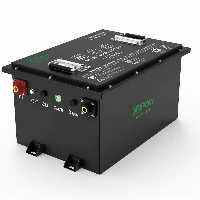
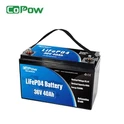
Upgrading from Lead-Acid batteries to Lithium (specifically Lithium Iron Phosphate, or LiFePO4) is considered one of the most impactful investments you can make for a golf cart.
1. Drastic Weight Reduction
Lithium batteries have a much higher energy density than lead-acid counterparts.
Significant Weight Loss: A standard 48V lead-acid battery bank typically weighs between 150–200 kg (330–440 lbs). A comparable lithium setup usually weighs only 30–45 kg (65–100 lbs).
Performance Gains: This reduction is equivalent to removing three adult passengers from the vehicle. It results in less wear on tires and suspension, shorter braking distances, and faster acceleration.
Turf Protection: A lighter cart is much gentler on the delicate grass of fairways and greens.

2. Superior Lifespan (Long-term ROI)
While the initial purchase price is higher, lithium is significantly cheaper over the life of the battery.
Cycle Count: Lead-acid batteries generally last for 300–500 cycles. Quality LiFePO4 batteries offer 3,000 to 5,000+ cycles.
Longevity: While lead-acid batteries often need replacing every 2–3 years, lithium batteries typically last 8 to 10+ years.
3. Zero Maintenance
This is one of the most "quality-of-life" improvements for cart owners:
No Watering: Lead-acid batteries require regular distilled water top-offs; lithium batteries are completely sealed and maintenance-free.
No Corrosion: Lead-acid batteries release acid mist during charging, which causes terminal corrosion and can damage the cart frame. Lithium batteries have zero risk of acid leaks or corrosion.

4. Charging Efficiency & Discharge Characteristics
Fast Charging: Lithium batteries accept current much more efficiently. They can reach a full charge in 2–3 hours, whereas lead-acid batteries typically require 8–10 hours.
No "Memory Effect": You can "opportunity charge" (e.g., plugging it in during lunch after 9 holes) without damaging the battery's health.
Constant Power Delivery: * As lead-acid batteries drain, their voltage drops, causing the cart to feel sluggish and struggle on hills.
Lithium batteries maintain consistent voltage until they are nearly depleted. Even at 10% capacity, your cart will still have full climbing power.
5. Smart Battery Management System
Lithium packs include an integrated BMS, which acts as the battery's "brain":
Safety: It monitors the voltage and temperature of every individual cell in real-time.
Auto-Protection: It prevents overcharging, over-discharging, short circuits, and overheating.
Balancing: It automatically ensures all cells are balanced, maximizing the overall stability and life of the pack.

6. Eco-Friendly
Non-Toxic: LiFePO4 does not contain toxic heavy metals like lead or cadmium.
Energy Efficient: The energy conversion rate during charging is roughly 15-20% higher than lead-acid, meaning less wasted electricity.
| Feature | Lead-Acid | Lithium (LiFePO4) |
| Lifespan | 2 - 3 Years | 8 - 12 Years |
| Weight | Very Heavy (150kg+) | Lightweight (~40kg) |
| Maintenance | High (Watering/Cleaning) | Zero Maintenance |
| Power Output | Fades as battery drains | Constant until empty |
| Charge Time | 8 - 10 Hours | 2 - 3 Hours |
| Upfront Cost | Low | High |
| Long-term Cost | High (Due to replacement) | Low (Single investment) |
If you plan on keeping your golf cart for more than a few years, lithium is the clear winner. It eliminates the headache of maintenance, provides better performance, and ultimately costs less per mile driven.

Cons of Lithium Golf Cart Batteries
While lithium batteries represent a "generational leap" in golf cart technology, they are not without their drawbacks. Understanding these limitations is crucial before making a significant investment.
1. High Initial Upfront Cost
This is the most significant barrier to entry.
Expensive Pricing: A high-quality 48V lithium battery pack typically costs 2 to 4 times more than a traditional lead-acid set.
Large Single Investment: While the "cost per mile" is lower over time, the high initial outlay can be difficult to justify if you are on a tight budget or don't plan on keeping the cart for more than a couple of years.

2. Cold Weather Performance Issues
Lithium batteries (specifically LiFePO4) are sensitive to extreme cold:
Charging Restrictions: Most lithium batteries cannot be charged below 0°C (32°F). Attempting to do so can cause permanent physical damage to the cells.
Capacity Drop: In freezing temperatures, the effective capacity and discharge rate decrease, resulting in shorter range per charge.
Note: Premium batteries often include "self-heating" functions, but this adds to the overall cost.
3. Incompatibility with Older Chargers
You cannot simply use the charger that came with your lead-acid batteries.
Specific Charging Profiles: Lithium requires a specific algorithm (usually Constant Current/Constant Voltage or CC/CV). Using an old lead-acid charger can lead to incomplete charges or even damage the Battery Management System.
Additional Conversion Cost: This means you usually have to factor in the cost of a dedicated lithium charger during the upgrade.
4. Risk of Sudden BMS Shutdown
Lithium packs rely on a Battery Management System (BMS) for safety.
Instant Power Cut: If the battery gets too low, detects a massive current spike (like a very steep hill), or overheats, the BMS will instantly kill the power to protect the cells.
The "Limp Mode" Difference: Lead-acid batteries will gradually slow down as they die, giving you a warning to "limp home." Lithium batteries can leave you stranded instantly without any prior fading of power.
5. Weight-Related Balance Issues
While being lightweight is generally a pro, it can sometimes be a mechanical con:
Center of Gravity Shift: Golf carts are designed with the weight of 150kg+ lead-acid batteries in the chassis. Switching to 40kg of lithium drastically changes the weight distribution.
Loss of Traction: Because the cart is so much lighter, the rear wheels may spin or slip on wet grass or steep inclines due to lack of downward pressure.
Ride Quality: The suspension may feel "stiff" or bouncy because it was tuned for a much heavier load.
6. Safety and Recycling Concerns
Thermal Runaway: While LiFePO4 is significantly safer than the lithium-ion used in phones, a catastrophic failure, physical puncture, or a malfunctioning BMS can still pose a fire risk.
Recycling Infrastructure: Unlike lead-acid batteries (which have a near 99% recycling rate), the infrastructure for recycling large-scale lithium packs is still developing and not as widely accessible.
| Challenge | Impact | Recommendation |
| Upfront Cost | Very High ($1,000 - $2,500+) | Evaluate if you plan to keep the cart for 3+ years. |
| Cold Weather | Charging stops below 0°C | Look for "Self-Heating" models if you live in the North. |
| Safety | Relies on electronics (BMS) | Avoid "no-name" or DIY packs without safety certifications. |
| Handling | Cart may feel bouncy or slip | Adjust suspension or add a small amount of "dead weight." |

Comparing Lithium Golf Cart Batteries vs Lead-Acid Batteries
| Feature | Lead-Acid (Deep Cycle) | Lithium (LiFePO4) |
| Lifespan | 2–5 years (approx. 500 cycles) | 10+ years (3,000–5,000 cycles) |
| Weight | Very Heavy (300–450 lbs) | Lightweight (70–100 lbs) |
| Maintenance | High (Adding water, cleaning acid) | Zero Maintenance |
| Charging Time | Slow (8–10 hours) | Fast (2–4 hours) |
| Usable Capacity | ~50% (don't drain to zero) | ~95% (full use of capacity) |
| Upfront Cost | Lower ($800 – $1,500) | Higher ($1,500 – $3,500) |
Is a Lithium Battery Right for Your Golf Cart?
Choosing a lithium battery for your golf cart is a trade-off between high upfront cost and superior long-term value. By swapping out heavy lead-acid batteries, you instantly shed about 300 lbs, which boosts your cart's speed, climbing power, and overall agility while reducing mechanical wear. Unlike lead-acid batteries that get sluggish as they drain, lithium provides constant, full power until the very last drop of charge.
The biggest draws are the zero-maintenance design and extreme longevity; a single lithium battery typically lasts over 10 years, outliving three or four sets of traditional batteries. While the initial price tag is 2-3x higher, you save significantly over time by avoiding replacements and tedious upkeep. If you plan to keep your cart for more than a few years and want a faster, lighter, and more reliable ride, lithium is the clear winner.
Conclusion: Is the Switch to Lithium Worth It?
The transition from lead-acid to lithium (LiFePO4) isn't just a battery swap-it's a complete performance overhaul for your golf cart. While the higher upfront cost remains the primary hurdle, it is helpful to view it as a long-term investment rather than a simple expense.
- Choose Lithium if you use your cart frequently, value your time (zero maintenance), and plan on keeping your vehicle for at least 3 to 5 years. The combination of faster charging, constant power, and a 10-year lifespan makes it the most cost-effective and enjoyable choice in the long run.
- Stick with Lead-Acid if you are on a strict budget, use the cart only occasionally, or plan on selling it in the near future.
Ultimately, lithium solves almost every headache associated with electric golf carts. You're not just buying a battery; you're buying reliability, better handling, and freedom from the "watering and scrubbing" routine. If you're ready for a faster, lighter, and more powerful ride that's ready to go whenever you are, it's time to leave the lead in the past.