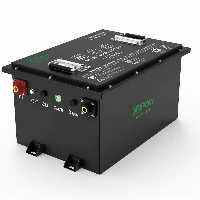
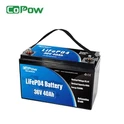
By 2026, lithium golf cart batteries are no longer a luxury item. Most serious players have already made the switch. If you've used lead-acid batteries before, you know the problems. Power fades over time, there's leakage and corrosion, and you end up replacing them every so often. It's a hassle. Lithium batteries are different. They need almost no maintenance, last much longer, and deliver consistent power. Do the math. Yes, the upfront cost is higher, but over time, they save you money.
Today, let's talk through everything you need to know about upgrading to lithium.

The Evolution of Golf Cart Batteries: From Lead-Acid to Lithium
Golf cart batteries have evolved from heavy lead-acid to lightweight lithium. Lead-acid batteries were affordable but bulky, required water refills, and lost power as they drained.
Lithium iron phosphate batteries changed the game: they weigh only 1/4 as much, charge faster, last 3-5 times longer, deliver consistent power, and need zero maintenance.
Despite higher upfront costs, lithium batteries are now the mainstream choice for golf cart upgrades thanks to their efficiency and longevity.
The Growing Problems with Lead-Acid Batteries
Lead-acid batteries are causing increasing problems in modern golf carts:
1. Heavy Weight: A battery set weighs hundreds of pounds, accelerating tire and suspension wear, and easily damages turf in wet conditions.
2. High Maintenance: Requires regular fluid level checks and distilled water refills; acidic gases corrode battery compartments and cables.
3. Power Decline: Voltage drops as charge depletes; climbing and acceleration become noticeably weak at 50% charge.
4. Short Lifespan: Only 2-3 years; frequent replacement plus maintenance costs make it more expensive than lithium batteries long-term.
5. Slow Charging & Environmental Concerns: Takes 8-10 hours to fully charge, no opportunity charging, and lead-acid recycling poses significant pollution risks.
The Outstanding Advantages of Lithium Golf Cart Batteries
The widespread adoption of lithium batteries in golf carts is essentially about solving efficiency and experience issues. Compared to traditional lead-acid batteries, the advantages of lithium batteries are very practical:
- Lightweight, better for both the cart and the course: Lithium batteries weigh only about one-quarter of lead-acid batteries. The entire vehicle becomes hundreds of pounds lighter, making it more agile to drive with faster acceleration. This reduces the burden on the suspension and braking systems, and the course turf is less likely to get damaged or leave tracks.
- Sufficient power, stable performance: Lead-acid batteries lose power when halfway depleted, but lithium batteries are different-they maintain stable output from full charge to low charge. Whether climbing hills or starting off, the power remains consistent without slowing down as you drive.
- Fast charging, ready whenever you need: Lithium batteries don't need to be fully depleted before recharging. You can plug them in for a quick charge during a half-time break. They can be fully charged in two to three hours, unlike lead-acid batteries that require overnight charging, making cart turnover much more convenient.
- Maintenance-free, hassle-free: No need to regularly check fluid levels, add distilled water, or clean up leaked acid. The battery comes with its own management system that automatically monitors its status. Just plug it in and use it-basically no maintenance required afterward.
- Long lifespan, more cost-effective in the long run: The upfront cost is higher, but lithium batteries can last eight to ten years, with a cycle life five to ten times that of lead-acid batteries. No need for frequent replacements, so it's actually more economical when calculated over the long term.
Golf Cart Performance After Upgrading to Lithium Batteries
After switching to lithium batteries, golf carts show a noticeable performance boost. It's not just about longer range-the whole driving experience feels different.
- More power for starting and climbing. Lead-acid batteries drop voltage significantly when halfway depleted, making hills a struggle. Lithium batteries maintain stable output. Whether at ninety percent or ten percent charge, the acceleration feels the same, and steep inclines are no problem.
- Lighter weight, better handling. A lithium battery pack weighs about one hundred fifty kilograms less than lead-acid. That's like removing two or three adults from the cart. Steering becomes more responsive, braking distance shortens, and there's less pressure on the turf. The heaviness is gone-turning and accelerating feel much lighter.
- Faster turnover. Lead-acid batteries took eight to ten hours to charge. Lithium batteries are ready in two to three hours. You can also charge anytime-plug in for half an hour during lunch, and the cart can run one or two more rounds in the afternoon. No more waiting around for a dead battery.
- Less wear and tear. Carrying hundreds of extra pounds day after day wears down tires, suspension, and brakes. With the lighter weight, these parts last longer, there's less noise, and the cart stays in better condition overall.
- Smart monitoring for peace of mind. The built-in management system lets you check real-time battery level and temperature on your phone. No more guessing how much charge is left or finding out only when the cart stops moving. You always know where you stand.
Cost Comparison – Is Lithium Really Worth It?
Regarding whether lithium batteries are worth the investment: while their upfront purchase price is indeed higher, they prove to be a more cost-effective choice in the long run. The following is a cost comparison analysis projected for 2026.
Initial Investment: Lead-acid batteries still hold an advantage in initial cost. A mainstream lead-acid battery set typically costs between $800 and $1,200, whereas an equivalent lithium battery system, including a dedicated charger, usually ranges from $1,500 to $3,000. Based solely on the entry barrier, lithium batteries are two to three times more expensive.
Service Life: Lithium batteries generally offer a cycle life of over 3,000 to 5,000 cycles, lasting approximately 8 to 10 years. In contrast, even with proper maintenance, lead-acid batteries typically last only 3 to 5 years. This means that within the lifespan of a single lithium battery set, lead-acid batteries may need to be replaced two or three times.
Maintenance Costs: Lead-acid batteries require regular purchases of distilled water, cleaning of acid corrosion, and manual maintenance, costing approximately $50 to $100 annually. Lithium batteries, however, are virtually maintenance-free. This not only saves on these recurring expenses but also eliminates the risk of premature battery failure due to improper maintenance.
Charging Efficiency and Electricity Costs: Lithium batteries boast a charging efficiency of around 95%, significantly higher than the 75% efficiency of lead-acid batteries. They charge faster and incur less energy loss as heat. For frequently used golf carts, switching to lithium batteries can reduce annual electricity costs by approximately 20% to 30%.
Comprehensive Analysis: Over a 10-year period, the total expenditure for lead-acid batteries-including initial purchase, two replacements, and a decade of maintenance-exceeds $3,500. In comparison, the total cost for lithium batteries-including the initial purchase with no need for replacement or maintenance-ranges between $2,000 and $2,500.
Real Benefits Golf Cart Owners Notice After Switching
After switching to lithium batteries, owners notice the vehicle is lighter with more responsive steering and acceleration, driving more like a sedan. Unlike lead-acid batteries, performance doesn't drop as charge depletes-even at 10% battery, acceleration feels nearly identical to full charge.
Daily convenience is significantly improved. No more checking acid levels, adding distilled water, or cleaning corrosive residue. Charging is flexible-a lunch break charge provides enough power for one or two extra shifts without carefully tracking charging cycles.
The experience shifts from "serving the battery" to "ready whenever needed." Real-time battery monitoring via mobile app makes maintenance virtually negligible. This user experience improvement makes the investment worthwhile for most owners.
How to Tell If Your Golf Cart Can Be Converted to Lithium?
Determining whether your golf cart can be upgraded to lithium batteries is actually quite simple. Most mainstream brands like EZGO, Club Car, and Yamaha can be converted. Just focus on these five points:
- Check the voltage. Look at your current battery pack voltage, usually 36V, 48V, or 72V. Choose a lithium battery pack with matching voltage. If the voltage matches, it will work.
- Check the controller. Original or mainstream brand motors and controllers are compatible. If you have upgraded to a high-speed motor, choose a 100Ah or higher output battery to avoid tripping during high-current hill climbing.
- Check the battery compartment. Lithium batteries are smaller, so fitting is not an issue. You may need spacers for stability. Most conversion kits come with brackets to secure the battery.
- Replace the charger. Lithium batteries cannot use old lead-acid chargers. You need a dedicated lithium charger. Many conversion kits include a charger that fits the original port.
- Check the cart condition. If the chassis is rusted or cables are worn, reinforce the chassis and upgrade to 4AWG or 2AWG cables before switching. Old wires limit performance and pose safety risks.
Who Should (and Shouldn't) Switch to Lithium?
Although lithium batteries are the current technology trend, they may not suit everyone. Match yourself based on usage habits and budget:
Recommended to switch to lithium batteries:
- Frequent users: If you play golf several times a week or use the cart daily in your community, the long lifespan and maintenance-free features of lithium batteries will pay back the cost difference within three to four years.
- Those seeking better driving experience: Lithium batteries are lighter and maintain strong power even when nearly depleted. If you are tired of the heavy feel and weak climbing power of lead-acid batteries, switching to lithium makes a noticeable difference.
- Busy owners who want less hassle: No need to check fluid levels, clean corroded acid, or watch the charger for ten hours. Lithium batteries are plug-and-play and maintenance-free, much more convenient.
- Long-term owners: If you plan to keep the vehicle for five to ten more years, the amortized cost of lithium batteries is actually lower than lead-acid.
- Seasonal users: Lithium batteries have low self-discharge rates. Even if the cart sits in the garage for half a year, it usually starts right away when you return. Lead-acid batteries can fail from sulfation if left uncharged for a few weeks.
Not recommended to switch to lithium batteries:
- Short-term users: If you plan to sell the vehicle within a year, the high cost of lithium batteries may not be fully recovered in resale.
- Those on a tight budget: Although lithium saves money long-term, the initial investment of two to three thousand dollars is much higher than lead-acid. If budget is tight, choose quality lead-acid batteries and maintain them regularly, which is also practical.
- Infrequent users: If you only use the cart once or twice a year and do not care about power performance, replacing lead-acid batteries every three years is not a big financial burden.
- Owners of very old vehicles: If the chassis, motor, or controller is near the end of its life, investing in an expensive lithium battery system is not wise. Consider replacing the vehicle instead.
Step-by-Step Guide to Installing a Lithium Battery in Your Golf Cart
Upgrading a golf cart from lead-acid to lithium batteries usually takes two to three hours. Lithium batteries feature a drop-in design for simple installation.
Operation Steps:
Step 1: Preparation and Safety
- Tools: Socket wrench set, safety goggles, gloves, wire brush.
- Record Wiring: Take photos of the original wiring before removal to identify positive and negative terminals.
- Power Off: Set the direction switch to neutral, move the run/tow switch to tow position.
Step 2: Remove Old Batteries
- Removal Order: Disconnect negative black cable first, then positive red cable, finally remove inter-battery connections.
- Remove Mounting: Unscrew battery hold-downs or brackets, take out lead-acid batteries.
- Clean Battery Compartment: Wash tray with baking soda solution, clean terminal corrosion with wire brush.
Step 3: Install Lithium Battery
- Placement: Put lithium battery in compartment, use spacers or filler blocks to prevent movement.
- Secure: Fasten lithium battery to chassis with hold-downs.
Step 4: Wiring
- Connection: Connect main positive cable to lithium battery positive terminal, main negative cable to negative terminal.
- Accessories: Connect voltmeter, GPS or lighting systems through voltage converter.
- Protection: Apply anti-corrosion grease to terminals.
Step 5: Install Charger
- Do not use old lead-acid charger, install lithium-specific charger.
- Mount onboard charger in compartment, or replace charging port for external charger.
Step 6: Test and Check
- Reset Switch: Move run/tow switch back to run position.
- Power Test: Press accelerator slowly, verify forward and reverse operation.
- First Charge: Fully charge before first use to calibrate battery management system.
Are There Any Downsides to Switching?
Although lithium batteries are the upgrade trend, you need to understand their practical shortcomings before switching.
Cost is the most direct barrier. A lithium battery system typically costs two to three times more than quality lead-acid batteries. If you plan to sell the vehicle within a year or two, you will struggle to recover this investment in the secondhand market.
Lithium batteries are sensitive to cold. When temperatures drop below zero degrees Celsius, the battery management system locks charging to protect the cells. In cold northern regions, you must either buy expensive models with self-heating or park in a heated garage.
Reduced weight causes bumpiness. Golf cart suspensions are designed for the weight of lead-acid batteries. After weight reduction, the shocks become stiff, causing more bouncing on rough roads and a floaty driving feel.
The protection system can cut power suddenly. Hard acceleration on steep slopes may trigger overcurrent protection and shut off power completely. Lead-acid batteries can still limp along when nearly dead, but lithium batteries leave you stranded once they cut out.
Chargers are not compatible. You must buy dedicated lithium charging equipment. If you break down where only old chargers are available, you cannot recharge.
Things to Consider Before Buying a New Lithium Battery for Your Golf Cart
Before buying a golf cart lithium battery, look beyond price:
- Voltage Match: Confirm 36V/48V/72V matches your cart to avoid damaging the controller or motor.
- Capacity: 100Ah suffices for occasional 18-hole play. Choose 150Ah+ for four/six-seaters, steep terrain, or added accessories.
- BMS Discharge Current: Ensure it handles your controller's peak current to prevent power cut-offs.
- Brand & Warranty: Avoid cheap no-name brands. Quality batteries last 8-10 years; seek 5+ year warranties with local support.
- Fit & Charger: Verify installation dimensions and use a dedicated charger with matching current profile for battery health.
The Future of Electric Golf Carts and Battery Technology
Electric golf carts and battery technology are evolving rapidly. Lithium iron phosphate batteries are now the industry standard, lasting 8-12 years with 60+ miles per charge and 2-4 hour charging times. Solid-state batteries are emerging for improved safety and weather resistance.
Smart features include digital dashboards, GPS navigation, and smartphone connectivity for battery monitoring and diagnostics. Solar canopies add 10-20 miles of daily range.
Golf carts are expanding beyond courses to communities, resorts, campuses, and logistics as neighborhood electric vehicles. With autonomous driving and collision detection, they're becoming key to short-distance, low-speed electrification.
Conclusion - Why the Shift to Lithium Is Accelerating
The shift from lead-acid to lithium batteries is changing golf carts in a real way. It is not just about swapping out a battery. It is about upgrading the whole experience. By 2026, the numbers speak for themselves. Lithium batteries have turned golf carts from basic utility vehicles into efficient modern machines, thanks to their performance and maintenance-free design.
Many people hesitate at the higher upfront price of lithium. But over time, you realize the hidden costs of lead-acid batteries are what really add up. Frequent replacements, regular water refills, and extra weight that wears down parts faster. When you do the math over a ten-year lifespan, lithium actually saves money. Power loss drops by up to thirty percent. It is a long-term investment that pays off.