In the marine and RV sectors, there are three types of batteries to choose from: starter batteries, deep-cycle batteries, and dual-purpose batteries.
So, what exactly are the differences between these three types of batteries? This article will reveal the answers.

Understanding 3 Battery Types: Starter, Deep Cycle & Dual Purpose
Here are three types of batteries that are often confused; we need to understand their differences beforehand.
Starter battery: A starter battery is a type of battery specifically designed to deliver a high current for a very short period; it is commonly used as a car battery and in marine applications. When the ignition key is turned or the start button is pressed, it instantly delivers a powerful current, known as the cold cranking amps (CCA). Once the engine has successfully started, its primary function is essentially complete.
Deep-cycle battery: A type of battery capable of being deeply discharged and recharged repeatedly. Unlike standard batteries, which can only deliver a small amount of power, deep-cycle batteries can provide a steady output of power over an extended period. Furthermore, deep-cycle batteries constitute a broad category that includes various types, such as lead-acid and lithium-ion. A common characteristic of these batteries is their ability to withstand multiple charge-discharge cycles.

Dual-purpose battery: Dual-purpose batteries combine the functions of a starter battery and a deep-cycle battery, capable of both delivering a high current instantly to start an engine and providing a continuous, stable power supply to equipment. In recent years, with the emergence of dual-purpose lithium-ion batteries, the dominance of AGM dual-purpose batteries has begun to be challenged.
Deep Cycle vs Starting vs Dual Purpose Batteries: What's the Difference?
To provide a clearer comparison of the three types of batteries, we will analyze them from the following perspectives.
Discharge method
Starter batteries are designed to deliver high currents for short periods; deep-cycle batteries provide a steady, sustained current over long periods; and dual-purpose batteries fall somewhere in between.
Current output capacity
Starter batteries are not suitable for deep discharge; they cannot continuously power electrical devices other than the engine, and they have a relatively short lifespan.
Deep-cycle batteries, on the other hand, are designed to power various electrical devices, much like a cell phone battery, offering long runtime and stable voltage.
Although dual-purpose batteries can both start the engine and power devices, compared to batteries specifically designed for starting and powering devices, they are merely a more versatile solution with limited current output.
Internal Design
The lead plates in starter batteries are thinner to increase contact area and maximize instantaneous current; in contrast, the lead plates in deep-cycle lead-acid batteries are thicker to extend service life, but this also makes the batteries heavier. These issues do not arise with deep-cycle lithium-ion batteries.
Finally, there are dual-purpose batteries, which serve as a compromise solution with lead plates of intermediate thickness, neither too thick nor too thin. Additionally, dual-purpose lithium-ion batteries are also available as an option.
Cycle life (number of charge-discharge cycles)
Start batteries have a cycle life of approximately 50–150 cycles, deep-cycle batteries have a cycle life of 300–1,200 cycles, and dual-purpose batteries have a cycle life of 200–400 cycles. Their service lives are 2–5 years, 3–6 years, and 8–15 years, respectively.
Maintenance and Usage Requirements
Of the three types of batteries, while starter batteries require virtually no maintenance, both deep-cycle and dual-purpose batteries should be checked to see if they are lead-acid batteries. Lead-acid batteries require regular water top-ups and cleaning of corroded terminals. Lithium-ion batteries, on the other hand, do not require such maintenance.
Weight and Volume
When it comes to weight, deep-cycle lead-acid batteries are the heaviest, weighing approximately 20–40 kg, and they are also relatively bulky.
In contrast, deep-cycle lithium-ion batteries, such as a 12V 100Ah marine battery, weigh only 10–13 kg, and even a 200Ah battery weighs just 26 kg, since they do not require lead plates.
Starter batteries weigh approximately 15-25 kg, depending on the vehicle or boat model.
Finally, let's look at the dual-purpose batteries that are of greatest interest. Their weight ranges from about 15 to 30 kg, depending on whether you choose a lead-acid or lithium battery.
Cost
Starter batteries range in price from $100 to $300, while dual-purpose batteries cost between $150 and $400 or more. For deep-cycle batteries, there are two options: deep-cycle lead-acid batteries range from $109 to $400, while lithium-ion deep-cycle batteries range from $169 to $800.

When to Choose a Dual-Purpose vs. Deep-Cycle Battery?
Choosing between the two types of batteries depends largely on your power needs.
If you're a boat owner who only takes your boat out occasionally on weekends and doesn't venture too far from shore, you can opt for an affordable dual-purpose marine battery.
However, if you're a saltwater fishing enthusiast, it's best to purchase a separate starter battery and a deep-cycle battery; otherwise, you risk getting stranded at sea due to a dead battery.
Or perhaps you're a travel enthusiast with your own RV who loves to explore the world.
If you have a generous budget, you can purchase both a dual-purpose battery and a deep-cycle battery. This way, the dual-purpose battery can serve as a backup power source, allowing you to keep going for a while even after the deep-cycle battery has run out.
How can you tell what type of battery it is just by looking at it?
If you're unsure whether the battery you have on hand or are about to purchase is a dual-purpose battery or a deep-cycle battery, here are some ways to tell the difference.
Battery Labels and Nameplates: Most batteries have their model number, capacity, voltage, and intended use marked on the casing. By checking the label, you can immediately identify the battery type. For example, a dual-purpose battery might be labeled "Start + Cycle" or "Start + Deep Cycle."
Battery Dimensions: Deep-cycle batteries are larger in size, but if it is a lithium battery, you will need to confirm with customer service. Additionally, starter batteries are typically smaller.
Inspect the Battery Case: If the battery case is sturdy and heavy, it is likely a deep-cycle battery.
Color and Markings: Starting batteries usually have black or red casings; deep-cycle batteries are often blue, green, or gray; and dual-purpose batteries (such as dual-purpose marine batteries) are typically dark blue or silver-gray.
Battery Weight: If the battery feels somewhat heavy when picked up but is still manageable, it is likely a dual-purpose battery.
conclusion
By comparing both horizontal and vertical factors, we've learned that dual-purpose batteries are merely a compromise. If you want a better experience, purchasing separate starter and deep-cycle batteries is essential.
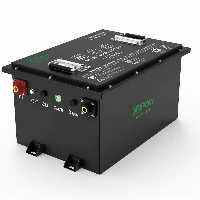
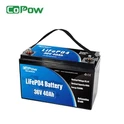
So, is there a dual-purpose battery that offers both performance and value? The answer is yes. CoPow marine and RV batteries can be customized to meet your specific needs. Not only do they combine starting and power supply functions, but they also utilize the safest and most durable lithium iron phosphate (LiFePO4) cells. This allows you to save money while enjoying the exceptional performance of a leading brand.
Click here to learn more about how CoPow batteries deliver greater reliability and value.