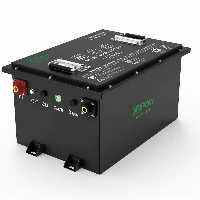
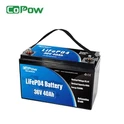
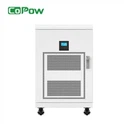
Driven by a recovery in cell prices, forklift batteries (particularly lithium-ion batteries) saw price increases in the first half of 2026, with increases ranging from approximately 10% to 25%.
Currently, standard 48V lithium-ion forklifts are priced between $7,000 and $15,000. Specifically, prices for mainstream 48V lithium-ion forklift batteries-such as 315Ah, 420Ah, and 525Ah models-generally range from $8,000 to $18,000.
These prices do not include factors that may drive up costs, such as a smart battery management system, CAN communication, cloud monitoring, and UL certification. If customization is required, the price may exceed $20,000.
On the other hand, prices for lead-acid forklift batteries have remained largely stable. A 48V lead-acid forklift battery typically costs between $3,500 and $5,000.
However, based on current market trends, lithium-ion batteries are rapidly replacing lead-acid batteries and emerging as the next-generation choice for forklift batteries.
The core points of this article are:
- How much does it really cost to buy a forklift battery? We will illustrate with examples.
- Beyond the battery cost, what other potential expenses should you budget for?
- What makes lithium-ion forklift batteries superior?
- How do you select the correct forklift battery size for your battery compartment?
- Is your forklift suitable for upgrading to a lithium battery?
Please continue reading.

How Much Do Forklift Batteries Cost? - Examples
At the beginning of this article, we provided a rough price range. But in reality, forklift battery prices are influenced by many factors. So Quoting A Random Number Has Little Reference Value. Let's Look At A Specific Example To Illustrate This.
* Suppose you have a 48v forklift that operates two shifts per day (approximately 12–16 hours).
If you choose a lithium battery: You will need to spend $8,500–$13,000 on a 48V lithium forklift battery equipped with an intelligent Battery Management System. In addition, you will need a dedicated charger that costs $600–$1200. As a result, the total procurement cost is around $9,500–14,000 or more.
If you choose a lead-acid battery: On the surface, a set of 48V lead-acid batteries costs only $3,500, appearing cheaper than lithium-ion batteries. However, don't forget that lead-acid batteries struggle to support continuous operations. To meet the warehouse's two-shift requirement, you would need to purchase a second set as a backup. Consequently, your actual upfront cost instantly jumps to $7,000-making it nearly equivalent to the price of lithium-ion batteries.
* At this point, we know there are two options for equipping a 48V forklift with batteries: either a lithium-ion battery costing approximately $8,500, or two lead-acid batteries with a combined total cost of around $7,000. These figures represent only the battery costs themselves. Next, let us also take into account other related expenses. Operating Costs And Actual Service Life.
Operating Cost Analysis
From an investment perspective, forklift batteries are essentially a long-term investment. Although the initial procurement cost is high, this expenditure can not only be recovered but may also generate additional net profit as operational benefits accumulate over time. Choosing lithium forklift batteries over lead-acid batteries can save approximately $400–$600 annually in electricity costs.
Furthermore, lithium batteries require no addition of deionized water. They also eliminate the need for manual cleaning of acid residue on the battery surface. This can translate into annual maintenance labor savings of about $800.
* Finally, we can conclude that the approximate cost for replacing a battery on a 48V forklift is as follows:
| Cost Component | Lithium-ion Battery (48V 500Ah) | Lead-Acid Battery (48V 500Ah x 2 units) |
| Initial Purchase | $9,500–$11,500 | $7,500–$9,500 (Includes backup battery) |
| 5-Year Maintenance Labor | $0–$500 | $4,500–$6,500 (Watering / Cleaning) |
| 5-Year Electricity Expense | $2,800–$3,500 | $4,800–$6,200 (Lower energy efficiency) |
| 5-Year Replacement Cost | $0 | $4,000–$6,000 (One unit likely scrapped) |
| 5-Year Total Cost | Approx. $12,500–$15,500 | Approx. $20,800–$28,200 |
* Now we have a basic understanding of the cost of purchasing batteries for a 48V forklift. These numbers provide a rough estimate of the total investment. However, There Are Many Other Factors That Will Affect The Final Cost. Let Us Continue Reading.

Hidden Costs to Watch Out for When Buying a Forklift Battery
Welcome to learn about the potential additional costs when purchasing forklift batteries. Without further delay, let's continue exploring:
Charging Equipment
An industrial charger for lead-acid batteries costs around $700–$1,200, while a smart charger for lithium batteries requires approximately $1,500–$2,000. CoPow's lithium forklift batteries come equipped with a professional charger.
Installation and Wiring
When replacing or upgrading a forklift battery, you need to hire professionals to handle the installation and wiring. This process may include replacing cables, adjusting battery connectors, installing mounting hardware, and configuring the charging system.
If upgrading a forklift from a lead-acid battery to a lithium battery, modifications to the electrical system or communication interfaces may also be required.
These additional labor and material costs range from $200 to $1,000, and can be higher for more complex retrofits. However, if you purchase a battery from CoPow, you can enjoy free installation services.
Maintenance Cost
Choosing lead-acid batteries means incurring high hidden costs: you need to invest significant labor in adding water, cleaning, preventing sulfation, and performing status checks. Just one of these maintenance tasks alone can cost an additional $300–$800 annually.
In contrast, lithium batteries offer the advantage of being virtually maintenance-free, reducing annual maintenance costs to just $0–$100.
Electricity Cost
Lead-acid batteries are limited by low charging efficiency and high energy consumption, resulting in annual electricity costs of $800 to $1,200 for a 48V forklift. By upgrading to lithium-ion batteries, thanks to their superior energy efficiency, the annual electricity cost can be reduced to between $400 and $600.
Operational Requirements
Different operating environments and usage frequencies directly influence the selection of forklift battery type, capacity, and backup solutions.
If a forklift needs to operate continuously for 8 to 24 hours a day, you may require high-capacity batteries or multiple spare batteries.
High-frequency lifting, handling, and steering increase the number of charge-discharge cycles, which can shorten the lifespan of lead-acid batteries in particular, thereby increasing replacement frequency and overall costs.
Environments such as cold storage, outdoor high-temperature areas, or dusty locations may necessitate additional equipment like heating plates, protective covers, or extra cabling, which will accordingly raise installation and maintenance expenses.
Storage Cost
Even if forklift batteries remain unused for extended periods, you will still incur significant warehousing and management costs. This is especially true for large lead-acid or lithium-ion batteries, which require specialized storage facilities. Rental rates for such spaces vary depending on local market conditions.
More importantly, these warehouses often need modifications: to store the batteries properly, you may need to install climate control systems or dedicated pallets, resulting in additional annual expenses.
Do not overlook fire safety-to prevent fire incidents, you must implement fire separation measures and equip the area with fire extinguishers or explosion-proof cabinets, which represent another substantial cost that cannot be ignored.
Weight
The cost increment caused by battery weight is mainly concentrated in three dimensions: transportation, installation/deployment, and operational efficiency.
On one hand, the high self-weight of lead-acid batteries increases installation difficulty, requiring additional labor input or specialized lifting equipment for hoisting and wiring.
On the other hand, excessive battery load not only directly raises the energy consumption level of the forklift but also restricts the vehicle's maneuverability and overall operational efficiency due to the increased total vehicle counterweight.
Battery Type
Lead-acid forklift batteries are cheaper, while lithium-ion forklift batteries are relatively more expensive, but you get what you pay for.
Safety Cost
When calculating the total cost of ownership for forklift batteries, "safety costs" are most often overlooked. In reality, maintaining lead-acid batteries requires purchasing protective gear such as gloves, acid-resistant suits, safety goggles, and acid spill trays to prevent injuries from sulfuric acid leaks.
This annual expense can range from tens to over a hundred dollars. Even with lithium-ion batteries, appropriate fire prevention measures are necessary.
When new batteries are first introduced, employees are unfamiliar with their specific characteristics, necessitating dedicated training sessions. These sessions cover proper handling, charging protocols, and emergency response procedures. Furthermore, many managers also consider purchasing additional insurance coverage.
Recycling Cost
When recycling forklift batteries, it is imperative to strictly adhere to laws, regulations, and environmental standards by adopting compliant disposal methods (such as entrusting qualified recycling institutions and using packaging that meets standards for transportation).
Although choosing formal channels may involve corresponding handling fees or service charges, these constitute necessary compliance costs.
Conversely, illegal dumping or processing through non-compliant methods will not only result in substantial administrative fines but also expose relevant responsible individuals to severe legal liabilities.
Brand Premium
Leading forklift battery brands like FluxPower and Trojan carry a certain brand premium. However, if you choose Chinese lithium forklift battery suppliers such as CoPow, you can avoid paying a brand premium. This allows you to spend your money on what truly matters.
Thanks to China's comprehensive lithium battery supply chain.These manufacturers may not yet enjoy the same global brand recognition as international giants, but they are fully capable of delivering high-quality forklift batteries.
* Finally, after comprehensively considering various factors, we have developed a more in-depth cost reference table.
| Cost Component | Lithium-ion Battery (48V 500Ah) | Lead-Acid Battery (48V 500Ah x 2 units) |
|---|---|---|
| Initial Purchase | $8,500 | $7,000 (Includes backup battery) |
| 5-Year Maintenance Labor | $0–$100 | $4,000 |
| 5-Year Electricity Expense | $2,500 | $4,200 |
| 5-Year Replacement Cost | $0 | $3,500 |
| Charging Equipment | $1,500–$2,000 (included) | $700–$1,200 |
| Installation & Wiring | $0 (included) | $200–$1,000 |
| Operational / Training / Additional Equipment | $50–$200 | $300–$700 |
| Storage Cost | $500–$1,500 | $1,000–$2,000 |
| Safety / Insurance | $50–$100 | $100–$200 |
| Recycling Cost | $50–$150 | $50–$150 |
| Weight-Related Operational Impact | Minimal | $200–$400 |
| 5-Year Total Estimated Cost | Approx. $13,000–$14,500 | Approx. $21,700–$23,100 |
What are the actual advantages of lithium-ion forklift batteries?
Why is everyone talking about lithium batteries? What exactly makes them so good? Please see the details below:
Lower Total Cost Over Time: While lithium-ion batteries require a higher initial investment, their total cost of ownership over five years is significantly lower than that of lead-acid batteries.
High Energy Efficiency: Lithium-ion batteries offer high charge-discharge efficiency with minimal energy loss.
Longer Lifespan: With a lifespan of 7–15 years, lithium-ion batteries far exceed the 3–5 year life of lead-acid batteries.
Faster Charging / No Need for Spare Batteries: Lithium-ion batteries support rapid charging. Certain models also feature "opportunity charging" (charging at any time), eliminating the need for spare batteries.
Lightweight and Space-Saving: Lithium-ion batteries are lighter and easier to install. Their compact footprint saves space, and their reduced weight makes them easier to handle.
Maintenance-Free: Lithium-ion batteries require no frequent maintenance.
Environmentally Friendly: Lithium-ion batteries eliminate the risk of acid leaks, making them safer to use. Reduce challenges associated with recycling and disposal.
Stable Performance in Various Environments: LiFePO4 forklift batteries demonstrate strong adaptability to temperature fluctuations and work intensity. They support high-intensity operations and function effectively in both high-heat and low-temperature environments-capabilities that many lead-acid batteries cannot match.

How to Choose the Right Forklift Battery Size and Specs for Your Forklift Model and Application?
When replacing a forklift battery, price isn't the only concern. More importantly, you must determine whether the battery will actually fit your forklift. To select the correct group number and specifications, you need to consider the forklift's model, intended application, voltage, required operating duration, and physical dimensions.
* First, let's understand what a forklift battery group number is. It is a standardized code indicating size and capacity.
- It tells you: the physical dimensions of the battery (length, width, height), its capacity in ampere-hours (Ah, which roughly indicates how long it can last), and which type of forklift it is suitable for (light-duty, medium-duty, or heavy-duty). In the forklift industry, common forklift battery group numbers include 24, 27, 31, 34, GC, and GCS. Typical numeric group numbers range from 20 to 36.
- For example: a Group 24 forklift battery measures approximately 10.25 inches (26 cm) in length, 6.875 inches (17.5 cm) in width, and 8.875 inches (22.5 cm) in height. With a capacity ranging from 70 to 85 Ah, it is suitable for use in light-duty forklifts or small electric pallet jacks.
Here is a common reference table for battery group sizes and their corresponding dimensions and capacities.
| BCI Group | Size (L × W × H, inches) | Size (cm) | Typical Capacity |
|---|---|---|---|
| Group 24 | 10.25 × 6.81 × 8.88 | 26 × 17.3 × 22.5 | 70–85 Ah |
| Group 27 | 12.06 × 6.81 × 8.88 | 30.6 × 17.3 × 22.5 | 85–105 Ah |
| Group 31 | 13.00 × 6.81 × 9.44 | 33 × 17.3 × 24 | 100–130 Ah |
| Group 34 | 10.25 × 6.81 × 7.88 | 26 × 17.3 × 20 | 55–65 Ah |
| Group 35 | 9.06 × 6.88 × 8.88 | 23 × 17.5 × 22.5 | 45–65 Ah |
| Group 51 | 9.37 × 5.06 × 8.81 | 23.8 × 12.9 × 22.3 | 40–60 Ah |
| Group 65 | 12.06 × 7.50 × 7.56 | 30.6 × 19 × 19.2 | 70–100 Ah |
| Group 78 | 10.25 × 7.06 × 7.69 | 26 × 17.9 × 19.6 | 70–90 Ah |
Recommended Reading: Group 31 Battery Dimensions, Features & Choose
*Once we have obtained the desired forklift battery group number, we will know how to proceed with the selection.
| Battery Group Size | Typical Application | Compatible Forklift Models |
|---|---|---|
| Group 24 | Light-duty electric pallet trucks and small warehouse equipment | Toyota 6BWC10, Crown WP 3000 Series, Hyster W45ZHD |
| Group 27 | Medium-duty pallet jacks and walkie stackers | Yale MPB045VG, Raymond 8210, Clark WPX45 |
| Group 29 | Warehouse stackers and light reach trucks | Crown ST 3000 Series, Raymond 7300 Reach Truck |
| Group 31 | Heavy-duty pallet trucks and larger electric stackers | Toyota 8HBW23, Crown WT 3200 Series |
| Group 34 | Compact warehouse vehicles and utility equipment | Raymond 8410 End Rider |
| Group 35 | Compact electric warehouse forklifts | Crown SC 5200 Series |
| Group 65 | Industrial utility equipment and large pallet trucks | Hyster B60ZHD |
| Group 78 | High-power electric industrial equipment | Crown RM 6000 Series |
* Tips: Battery group size mainly defines the physical dimensions of the battery. However, when selecting a forklift battery, operators must also consider voltage, capacity (Ah), and weight to ensure compatibility with the forklift model and application.

Is Your Forklift Suitable For A Lithium Battery Upgrade?
Friend, not every forklift can be directly upgraded to a lithium battery. We first need to check if your forklift meets the conditions for an upgrade.
Check If The Voltage Matches.
The original voltage system of the forklift must match the lithium battery. For example, common voltages are 24V, 36V, 48V, or 80V. If your forklift originally uses a 48V lead-acid battery, you need to choose a 48V lithium battery for the upgrade.
Confirm The Dimensions Of The Battery Compartment.
Different forklifts have different battery compartment spaces. The dimensions of lithium batteries may slightly differ from lead-acid batteries.
You need to confirm whether the length, width, and height of the battery pack can fit into the original battery compartment. If the dimensions match, the upgrade will be very smooth. If not, you may need to customize the battery casing.
In this case, you can contact CoPow, as they can customize battery dimensions according to your battery compartment.
Check The Weight Requirements Of The Forklift.
Many forklifts are designed with the battery weight as part of the counterweight. Lithium batteries are lighter than lead-acid batteries. If the weight difference is too large, it may affect the stability of the forklift. Yes, friend, CoPow can also customize counterweights for you.
Do you want metal or something else?
Confirm If The Charging System Is Compatible.
Lithium batteries require dedicated chargers. Their charging strategy is completely different from that of lead-acid batteries.
Check The Forklift's Control System.
Some new forklifts communicate with the battery via CAN communication or other battery management interfaces for data exchange.
If you plan to upgrade to a lithium battery, you need to confirm whether the battery management system is compatible with the forklift's control system. Generally, they are compatible.

Final Thoughts
Forklift battery prices did indeed experience significant volatility in the first half of 2026, catching many buyers off guard. Many people believe that "with China's overcapacity, the price of lithium iron phosphate batteries will continue to fall," but this is a misconception.
In fact, signs of rising forklift battery prices had already emerged as early as 2025. If you want to understand the specific reasons, you can read our latest article, "Why Are LiFePO4 Battery Prices Surging in 2026?", where we analyze all the factors driving the price increases.
Additionally, we understand that you've already reviewed a great deal of information and are eager to know the exact prices of forklift batteries. However, most online discussions are merely empty talk, leaving you confused.
That's why we've written this in-depth article. If you still have questions after reading it, please feel free to contact us. Best regards!