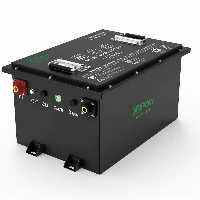
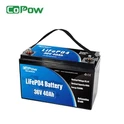
Generally speaking, the total cost of replacing a golf cart battery ranges from $800 to $4,500. The $800 option may include only the battery itself, typically a standard lead-acid battery, while the $4,500 option is likely a lithium-ion battery-specifically a LiFePO4 battery-and may include a complete lithium-ion conversion kit for the golf cart.
Specifically:
- A new flooded lead-acid battery costs between $800 and $1,500;
- A new AGM battery costs approximately $1,200 to $2,800;
- A brand-new lithium iron phosphate battery costs between $1,800 and $3,500.
When making your final selection, you'll also need to analyze the price breakdown and consider factors such as the vehicle's voltage, installation, chargers, and accessories.
Additionally, you may have noticed that lithium-ion battery prices rebounded somewhat in 2026. According to our forecasts, prices for golf cart lithium-ion batteries will continue to rise over the next six months.
We'll provide a detailed explanation below.

How Much Does It Cost To Replace 36V Golf Cart Batteries?
For 36V golf cart batteries, the cost typically ranges from $600 to $3,000, though this is merely a general reference range within the industry. In reality, prices can vary even for batteries of the same type, voltage, and capacity.
| Battery Type | Typical Capacity | Cost for 36V Set | Typical Driving Range | Cycle Life | Lifespan & Maintenance |
|---|---|---|---|---|---|
| Flooded Lead-Acid | 180Ah–225Ah | $600–$900 | 15–25 miles | 500–1,000 cycles | Lasts 3–5 years; requires regular watering, terminal cleaning, and equalization charging |
| AGM (Sealed Lead-Acid) | 180Ah–225Ah | $900–$1,500 | 18–28 miles | 600–1,200 cycles | Lasts 4–6 years; maintenance-free but heavier and less efficient than lithium |
| Lithium-Ion (LiFePO4) | 60Ah–105Ah | $1,500–$3,000 | 25–50 miles | 2,000–6,000+ cycles | Lasts 8–10+ years; maintenance-free, lightweight, fast charging, and higher usable capacity |
Let's look at an interesting case:
On the Buggies Gone Wild forum, many users of 36V golf cart batteries have found that the cost of replacing six lead-acid batteries can be comparable to-or even higher than-the cost of converting to lithium-ion batteries.
One user reported installing three 12V 100Ah LiFePO4 batteries for a total cost of about $345-just half the cost of replacing the lead-acid battery pack.
This suggests that the initial purchase cost of lithium-ion batteries may no longer be significantly higher than that of lead-acid batteries, as it once was.
In some cases, the price of upgrading directly to lithium-ion batteries is even comparable to-or lower than-the cost of replacing a set of new lead-acid batteries.
However, it is important to note that the $345 figure in this case is not representative of the entire market.
This user used a combination of three 12V 100Ah batteries, which means he likely did not factor in the costs of the charger, mounting brackets, wiring harnesses, and installation labor. Additionally, such a low price may have resulted from a promotional offer by a specific brand.

How Much Does It Cost To Replace 48V Golf Cart Batteries?
If you purchase a 48V golf cart battery, the cost will be slightly higher, ranging from approximately $800 to $4,500.
| Battery Type | Cost | Lifespan | Maintenance | Typical Range per Charge |
|---|---|---|---|---|
| Flooded Lead-Acid | $800–$1,500 | 2–4 Years | Regular watering & cleaning | 15–25 Miles |
| AGM | $900–$2,500 | 4–6 Years | Maintenance-Free | 20–30 Miles |
| LiFePO4 Lithium | $1,500–$4,500 | 8–10+ Years | Maintenance-Free | 25–50 Miles |
Many golf cart owners report that replacing a full set of premium lead-acid batteries can cost over $1,000, while entry-level lithium conversion kits have become increasingly affordable in recent years.
For example, a complete set of six Trojan T-875 8V batteries for a 48V golf cart can cost anywhere from approximately $1,200 to over $1,600 before installation, depending on the dealer and region.

How Much Does It Cost To Replace 72V Golf Cart Batteries?
72V golf carts are a premium option in the golf cart market and are typically favored by customization enthusiasts. The price of a standard 72V golf cart battery can range from $2,500 to $6,000, depending on your customization needs. These batteries are generally considered high-end, custom products.
| Battery Type | Cost to Replace a 72V Battery | Lifespan | Maintenance | Weight | Charging Speed |
|---|---|---|---|---|---|
| LiFePO4 Lithium | $2,000 – $4,000+ | 8–10+ Years | None | Light | Fast |
| Lead-Acid | $1,000 – $2,000+ | 3–5 Years | High | Heavy | Slow |
For most golf cart users, a 48V lithium-ion battery is sufficient, while 72V batteries are primarily intended for users seeking peak performance.
If your only requirement is a 30-mile range, there is no need to upgrade to a 72V battery, as a 48V 100Ah battery can already provide a range of approximately 40 miles.

How Much Does It Cost To Replace A Club Car Battery?
For Club Car golf carts of different series and models, replacing a battery typically costs between $800 and $3,500, depending on the vehicle's voltage.
Of course, since everyone is now upgrading from lead-acid batteries to lithium-ion batteries, the $800 price point may not be sufficient, as replacing a lithium-ion battery requires an entire upgrade kit-including a charger, SOC, DC converter, mount, and basket-all of which must be factored into the cost.
Below is a price list for replacing batteries in various Club Car models, for reference only:
| Model | Lead-Acid | AGM | Lithium (LiFePO4) |
|---|---|---|---|
| Club Car DS (36V) | $800–$1,300 | $1,000–$1,600 | $1,500–$2,800 |
| Club Car Precedent (48V) | $1,000–$1,600 | $1,200–$2,000 | $1,500–$3,500+ |
| Club Car Tempo (48V) | $1,000–$1,600 | $1,200–$2,000 | $1,500–$3,500+ |
| Club Car Onward (48V) | $1,000–$1,800 | $1,300–$2,200 | $1,800–$4,000+ |
| Club Car Carryall (48V) | $1,200–$2,000 | $1,500–$2,500 | $2,000–$4,500+ |


How Much Does It Cost To Replace An EZGO Battery?
EZGO is a long-established golf cart brand with a wide range of models. If you need to replace the battery, the cost is typically between $600 and $3,500.
Most users fall within this price range, though a small number may pay more than $3,500. This is usually because they have chosen a custom battery, which features more sophisticated protection parameters-from the casing to the battery management system-and therefore comes at a higher price.
The following price range is based on user discussions and the latest market trends for 2026:
| EZGO Model | Replacement Option | Reported Cost |
|---|---|---|
| EZGO TXT 36V | Six Lead-Acid Batteries | $800–$1,200 |
| EZGO RXV 48V | Four Trojan T-1275 Batteries | $1,000–$1,500 |
| EZGO RXV 48V | Eco Battery 74Ah Lithium Kit | $1,800–$2,300 |
| EZGO RXV 48V | Eco Battery 105Ah Lithium Kit | $2,300–$3,000 |
| EZGO Elite Lithium | OEM Lithium Battery Replacement | $2,500–$3,500+ |
Note: These figures are based on real-world EZGO owner discussions and reported replacement costs. Actual prices may vary depending on battery brand, capacity, location, installation fees, and whether additional components such as chargers or conversion kits are required.

What Factors Affect Golf Cart Battery Replacement Cost?
For golf cart owners, the factors to consider when choosing a battery for their vehicle are essentially the following:
Battery Type: The type of battery you choose is the primary factor affecting replacement costs. Standard lead-acid battery packs typically cost between $800 and $1,500, while lithium-ion battery conversions range from $1,500 to $3,500 or more.
Voltage: Higher voltage means more power, and different vehicle models have different voltage specifications.
Battery Capacity: The larger the battery capacity, the higher the price.
Brand: Premium brands such as Trojan, Eco Battery, and Allied typically cost more than budget alternatives, but many car owners report that these premium batteries offer longer lifespan and superior performance.
Upgrade to a Lithium-Ion Battery: Although lithium-ion batteries are more expensive, they can save you the hassle of replacing lead-acid batteries multiple times in the future.
Additional Accessories: Many users find that, in addition to the battery itself, they may need to purchase new accessories such as a charger, battery mounts, conversion harnesses, DC-DC converters, and installation kits, which can ultimately cost more than the battery's listed price.
However, for CoPow golf cart lithium batteries, we've prepared a complete conversion kit for you-eliminating the need to shop around-and our prices are highly competitive.
Installation Costs: Professional installation can add hundreds of dollars to the cost. Replacement costs vary for 36V, 48V, and 72V golf cart systems, but CoPow will assist you throughout the entire installation process.
Warranty: The longer the warranty period, the higher the initial purchase cost. CoPow offers a 5- to 10-year warranty on each lithium iron phosphate golf cart battery, depending on the specific model.
Is It Worth Upgrading To Lithium Batteries?
Yes, upgrading to lithium batteries is worth it for most golf cart owners because lithium batteries last longer, require virtually no maintenance, provide better performance, and often reduce the total cost of ownership over time.
Is that really the case? Let's take a look at what people think about lithium-ion batteries:
Case Study 1: EZGO RXV User Switches to RoyPow 105Ah
Evans224, a user from "Buggies Gone Wild," lives in a golf community and uses his golf cart every day. After installing a RoyPow 105Ah lithium battery in his 2012 EZGO RXV, his experience improved significantly.
He said, "I use it almost every day, and I haven't had a single issue in three years." Furthermore, the lithium battery's range far exceeds that of lead-acid batteries, and it requires virtually no maintenance. He is very satisfied with the lithium battery for his golf cart.
Case Study 2: After switching to a 48V 150Ah lithium-ion battery pack, a user consumed only 10% of the battery's charge over an 18-hole round.
sethdavidsdad from the GolfWRX forum had been using lead-acid batteries for a long time. Due to frequent use, he had to replace the batteries on average about every two years. Later, he upgraded to a 48V 150Ah lithium-ion battery system.
Although this battery system costs nearly three times as much as a Trojan lead-acid battery, he is very satisfied with his actual experience. He mentioned, "Playing an 18-hole round of golf only uses about 10% of the battery capacity. I usually wait until the charge drops to around 30% before recharging."
At the same time, he believes that based on the manufacturer's warranty standards and current performance, it should be no problem for this battery system to last for over 10 years.

Case 3: "I've never had any problems, and I don't have to worry about the battery at all."
This user lives in a rural area and drives his golf cart almost every day. Before purchasing the vehicle, he did extensive research and ultimately chose the lithium-ion battery version.
After using it for a year and a half, he said, "I've never had any problems, and I don't have to worry about the battery at all." He added, "If I had to choose again, I would never go back to lead-acid batteries."
It's safe to say that the nearly maintenance-free experience of the lithium-ion golf cart has completely convinced him to abandon lead-acid batteries.
How Long Does It Take To Recover The Cost Of A Lithium Upgrade?
This is an open-ended question. Taking a 48V golf cart as an example, you can generally recoup your investment within 2 to 4 years, depending on how often you use it.
- Daily use: Payback period of about 2–4 years
- Driving 4–7 times a week: Payback period of about 3–5 years
- Only a few times a month: May take more than 5 years
To be honest, even setting aside whether you'll recoup your investment, the benefits of lithium-ion batteries-easy maintenance, no need for frequent battery replacements, longer battery life, and a better driving experience-are enough to make you feel it's worth the money.
Take a 48V golf cart as an example:
| Factor | Lead-Acid Battery | LiFePO4 Battery |
|---|---|---|
| Upfront Cost | $1,200 | $2,500 |
| Expected Lifespan | 3–4 Years | 8–10 Years |
| Number of Replacements (10 Years) | 2–3 | 1 |
| Maintenance Requirements | Regular Maintenance Required | Virtually Maintenance-Free |
| Total Cost of Ownership (10 Years) | $2,400–$3,600+ | $2,500–$3,000 |
How To Reduce Golf Cart Battery Replacement Costs
To maximize cost-effectiveness, we recommend choosing lithium batteries as your first option.
When replacing them, ensure you swap out the entire set at once; do not try to save a small amount by replacing only a few cells. You can also keep an eye on promotions from major brands, especially in the spring or just before the peak golf season, when battery prices often drop by 10%-20%.
If you don't require extreme high-performance specs, a mid-range lithium battery will serve you well for many years. For example, the CoPow 48V 105Ah lithium golf cart battery offers an excellent balance of affordability and performance.
Moreover, CoPow provides a complete replacement kit, so you won't need to purchase any additional components.
Finally, when installing lithium batteries, we strongly advise seeking professional assistance to avoid damaging the battery or wiring. If you choose CoPow batteries, they offer one-on-one support to guide you through a smooth and successful installation.
Hidden Costs You Should Know Before Replacing Golf Cart Batteries
Is your golf cart an EZGO, Club Car, Evolution, or Yamaha?
Regardless of your golf cart battery brand, you need to consider potential costs beyond the battery pack itself.
After all, replacing a battery isn't as simple as buying one and installing it-you'll need a complete set of accessories to successfully complete the upgrade.
1. Installation Costs
For car owners unfamiliar with electrical wiring, hiring a professional to install the battery is undoubtedly a wise choice to ensure device compatibility and avoid safety hazards.
Typically, labor costs for installing a golf cart battery range from $75 to $500, depending on the battery type (lead-acid or lithium) and installation complexity.
Taking Australia as an example, regional variations significantly impact costs:
In major cities like Sydney, Melbourne, or Brisbane, higher labor rates push prices to $160–400. Conversely, rural or remote areas offer more affordable rates, typically ranging from $70 to $160.
It's worth noting that upgrading from a lead-acid battery system to a lithium battery system will increase installation costs.
This is primarily because lithium systems require specific electrical configurations or higher voltage support. Installers must rewire, optimize connections, or even add additional electrical components. These complex technical adjustments directly impact the final bill.
2. Charger Compatibility
Switching your golf cart from lead-acid to lithium batteries requires more than just a battery swap; it necessitates a compatible charger. Standard lead-acid chargers are generally incompatible with lithium chemistry and cannot be reused. Dedicated lithium chargers typically cost between $100 and $600.
For instance, a 48V lithium battery system specifically requires a 58.4V 18A charger. This precise voltage and current matching ensures the battery charges safely and efficiently within 5 to 6 hours, while protecting the cells from damage and extending their lifespan.
The Copow Advantage: To streamline your upgrade and eliminate hidden costs, every Copow Golf Cart Lithium Upgrade Kit includes a high-performance, dedicated lithium charger. You get a complete, ready-to-install solution without the need for additional purchases.
3. Accessories
If your golf cart operates on a regular lead-acid system, you will likely need to invest in additional accessories for proper maintenance and monitoring.
For instance, because lead-acid batteries consume electrolytes during use and require regular refilling with distilled water, many owners install automatic watering systems costing between $50 and $100.
Furthermore, to prevent damaging deep discharge, users often purchase separate voltage meters or state-of-charge gauges, which range from $50 to $200, allowing them to manually track battery health.
Switching to CoPow lithium batteries eliminates the need for these extra purchases.
CoPow batteries come with advanced monitoring features built directly into the unit, including Bluetooth connectivity. This allows you to instantly check real-time data such as remaining capacity, voltage, and overall battery status directly via your smartphone.
4. Disposal Fees
After replacing the batteries in your golf cart, do not dispose of the old lead-acid batteries casually. Since they contain lead and acidic electrolytes, they are classified as hazardous waste requiring professional handling.
You must turn them over to a certified recycler, repair shop, or recycling center. While some facilities may charge a disposal fee, others may offer a trade-in credit due to the recyclable value of the lead.
For example, if your golf cart uses six lead-acid batteries, disposal fees could range from $60 to $180 total (approximately $10–$30 per battery).
5. Retrofit Costs
Upgrading your golf cart to lithium-ion batteries-such as converting an EZGO model from a 36V to a 48V system-involves much more than simply swapping the battery pack.
To ensure the new batteries operate safely and efficiently, you will likely need to upgrade or modify critical components, including the motor controller and the vehicle's wiring harness.
These necessary electrical upgrades cost between $200 and $600, depending on the complexity of the conversion and the specific parts required.
As mentioned, when replacing your golf cart batteries, the battery purchase itself accounts for approximately 80% of the total cost, while the remaining 20% covers necessary accessories and installation tools.

2026 Golf Cart Battery Price Trends and Market Outlook
In 2026, the most significant change in the golf cart battery market was that lithium-ion battery prices, after two consecutive years of sharp declines, began to stabilize and even show signs of a slight increase in some areas.
Golf Cart Battery Price Trends in 2026
| Battery Type | 2025 Price Range | 2026 Price Range | Trend |
|---|---|---|---|
| Flooded Lead-Acid | $800–$1,500 | $900–$1,600 | Slight Increase |
| AGM (Absorbent Glass Mat) | $1,000–$2,200 | $1,100–$2,500 | Slight Increase |
| 48V LiFePO4 50Ah–100Ah | $800–$1,800 | $1,000–$2,200 | Rebounding |
| 48V LiFePO4 105Ah–160Ah | $1,500–$3,000 | $1,800–$3,500 | Significant Increase |
| Premium Lithium Conversion Kits | $2,500–$4,000 | $2,800–$4,500+ | Continued Growth |
If you are planning to purchase lithium-ion batteries for golf carts, 2026 may be a relatively cost-effective time to buy in the coming years.
With the rebound in lithium prices, the surge in energy storage demand, and continued growth in the U.S. market, prices for mainstream LiFePO4 golf cart batteries-such as 48V 105Ah, 48V 150Ah, and 72V models-are likely to be higher than in 2025, and the likelihood of seeing the kind of significant price drops seen between 2024 and 2025 is now slim.
conclusion
Here, we've provided a comprehensive analysis of the costs associated with golf cart batteries, and we believe you now have a thorough understanding of the subject.
The price of a battery includes not only the battery pack itself but also installation, accessories, and other related expenses.
Frankly speaking, while everyone's specific circumstances vary, we believe that lithium-ion golf cart batteries are your best choice.
We hope everyone can find a battery pack that meets their needs, thereby enjoying a better driving experience.
If you have any further questions about this article, please feel free to contact us; we'd be happy to assist you.
FAQs About Golf Cart Battery Replacement
Should You Replace All Golf Cart Batteries at Once?
It is best to replace all the batteries at once.
If you only replace one or two old batteries, the performance mismatch between the new and old cells can cause imbalance across the entire battery system, negatively affecting both range and lifespan.
For LiFePO4 batteries, which are designed as integrated packs, individual cells cannot be replaced; the entire pack must be swapped out.
Moreover, replacing only part of the battery system may require modifying wiring, controllers, or even chargers, which is not only troublesome but also poses potential safety risks. Replacing all batteries at once eliminates these complications, ensuring a simpler, safer installation.