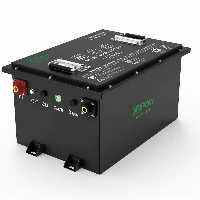
Specifically, a 36V battery cannot be charged with a 12V charger; instead, a 36V charger must be used. This is because the 12V voltage is too low to charge the battery properly, let alone fully charge it.
This involves a key concept: actual charging voltage, which refers to the actual voltage output by the charger when charging the battery-typically higher than the battery's nominal voltage.
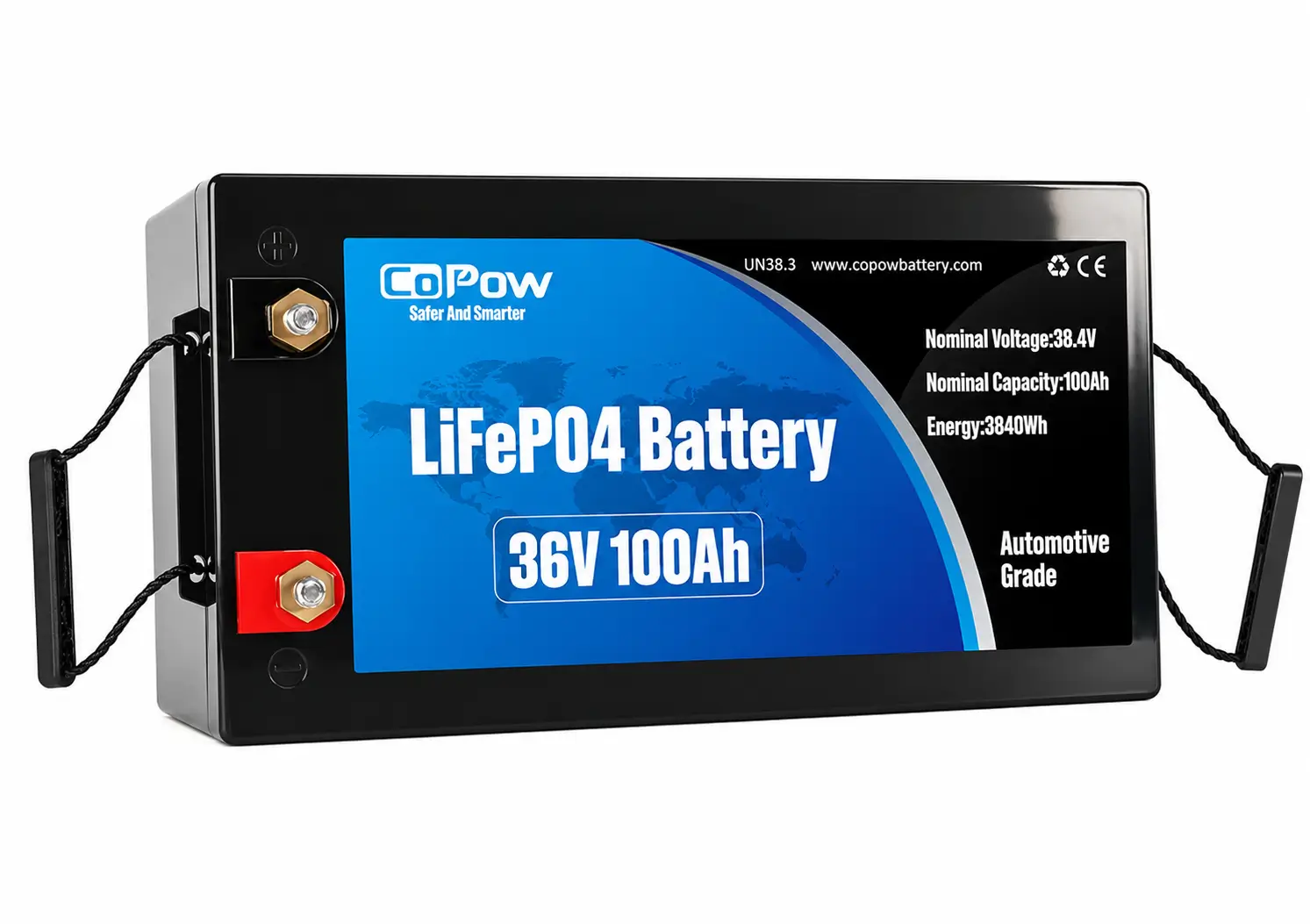
For example, a 36V LiFePO4 battery has a nominal voltage of 38.4V, but requires a charging voltage of 43.8V to reach full charge. Therefore, a dedicated 36V LiFePO4 battery charger is required; 12V or 24V chargers cannot charge it.
On the other hand, if you force a 12V charger to charge a 36V LiFePO4 battery, it may trigger the battery management system's charging protection mechanism, preventing further charging and potentially damaging both the charger and the battery.
Therefore, we recommend using the original charger to charge 36V batteries and never mixing chargers of different voltages or types.
Why a 12V Charger Cannot Properly Charge a 36V Battery?
The reason is simple: the charger's output voltage must be higher than the battery's current voltage so that current can flow into the battery and complete the charging process.
Insufficient voltage prevents current from flowing.
Charging a battery isn't simply a matter of "forcing" electricity into it; rather, it involves using a voltage difference to drive the flow of current. Current always flows from a higher voltage to a lower voltage. Therefore, the charger's output voltage must be higher than the battery's current voltage to allow current to flow into the battery and complete the charging process.
If a 12V charger is connected to a 36V battery, the battery's voltage is far higher than the charger's voltage. This is akin to a 12-meter-high water tank being unable to pump water into a 36-meter-high water tower. Consequently, current cannot flow into the battery normally, making it impossible to charge the 36V battery, let alone fully charge it.
Triggering the BMS Charging Protection Mechanism.
For 36V lithium-ion batteries, a smart battery management system is typically included.
This system features dedicated charging protection functions. When it detects an abnormal charging voltage, it may immediately cut off the charging circuit to prevent battery damage.
This is why some people claim that a newly purchased battery is defective because it won't hold a charge. In reality, the battery isn't defective; it has simply triggered the protection mechanism.
What Happens If You Connect a 12V Charger to a 36V Battery?
Connecting a 12V charger to a 36V battery can affect both the charger and the battery. The strain on the charger is much greater, so it will fail faster than the battery.
Charger overheating: When charging a 36V battery with a 12V voltage, the charger operates under excessive load as it struggles to deliver current to the battery, causing it to overheat significantly.
Charger burnout
When the charger is unplugged, if it lacks adequate reverse current protection circuitry, electrical energy from the 36V battery may flow back through the charging line into the charger instead of flowing from the charger to the battery.
Since chargers are designed to supply power outward rather than accept external input, reverse current subjects the internal electronic components (such as diodes, capacitors, MOSFETs, and circuit boards) to abnormal voltages and currents, leading to burnout.
However, this does not happen with all 12V chargers; high-quality chargers are equipped with reverse current protection circuits that automatically block reverse current even when connected to a high-voltage battery, so the probability of melting or even catching fire is low.
Abnormal charging indication
When using a 12V charger to charge a 36V battery, the indicator light may appear normal, but the battery is not actually charging-it is in a state of false charging.
Inability to fully charge the battery
The battery barely charges at all, which wastes both electricity and time, and poses a risk.
Are There Any Exceptions? Can a 12V Charger Charge a 36V Battery in Certain Situations?
There are indeed some indirect methods for charging a 36V battery using a 12V charger, but these methods typically require a certain level of technical knowledge and skill.
For the vast majority of users, using a dedicated 36V charger that matches the battery's voltage and type is the safest option. If your situation is unique, you can try the following methods:
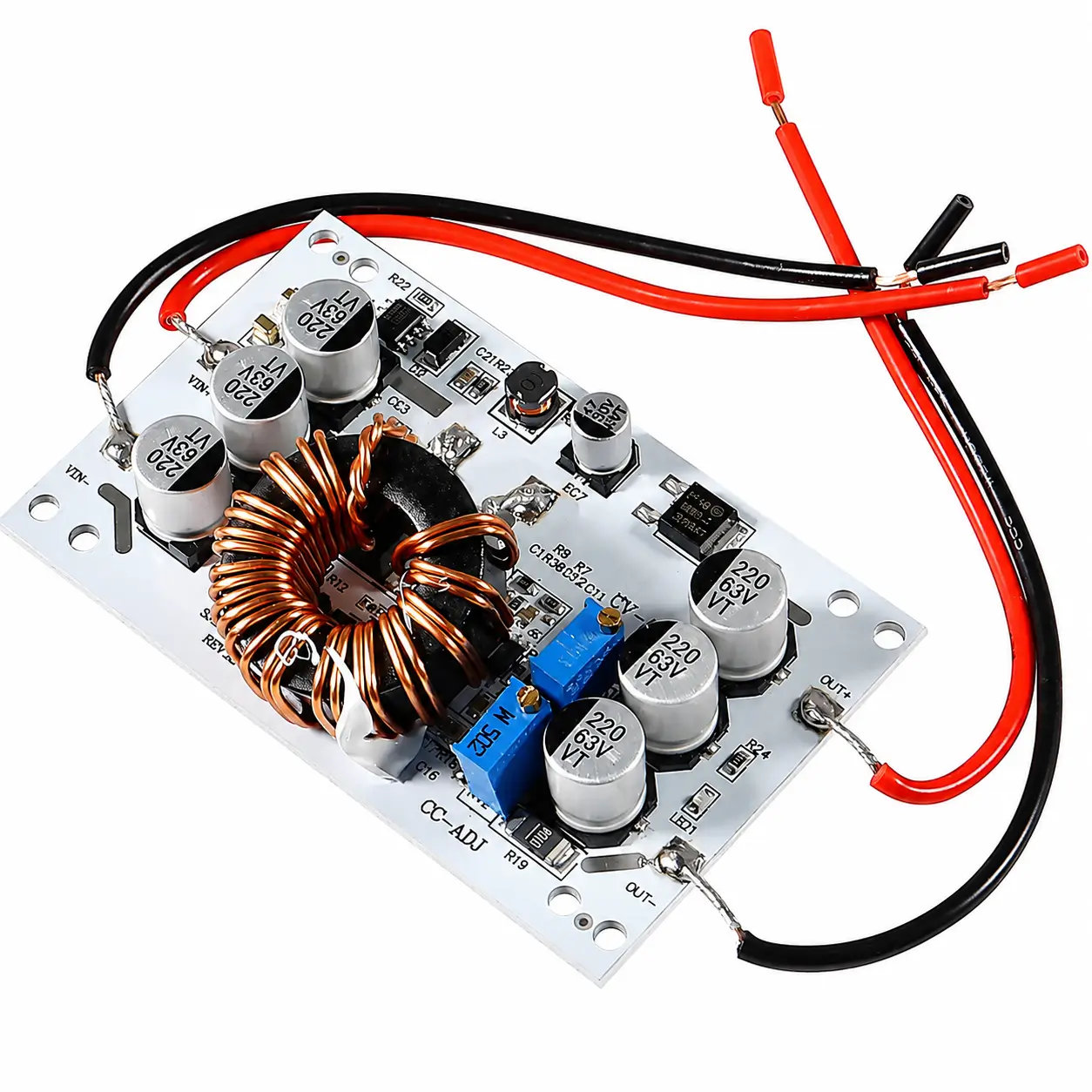
Method 1: Using a DC-DC Boost Converter
The core principle of this method is to first boost the 12V voltage to 36V to meet the battery's actual charging requirements, and then charge the battery.
The role of the DC-DC boost converter is to step up the 12V input voltage to 42V, 43.8V, or another suitable voltage.
The charging path in this case is: 12V power supply/12V charger → DC-DC boost module → charging voltage suitable for a 36V battery → 36V battery.
It is important to note that this method does not simply involve connecting any boost module.
Equipment used for lithium-ion battery charging should ideally feature constant current/constant voltage (CC/CV) charging control, which first limits the charging current and then maintains a fixed voltage for slow charging once the battery is nearly fully charged.
If only a standard boost module is used-which can only step up the voltage but cannot properly control the charging process-this may lead to a series of issues such as excessive current, incomplete charging, or triggering the battery management system protection. In severe cases, it could even damage the battery.
Additionally, the input current at the 12V end will be very high. For example, if you want to charge a 36V battery at 43.8V and 5A, the output power is approximately 219W.
Considering conversion efficiency, the 12V input may require a current close to 20A. Therefore, the 12V charger, cables, fuses, connectors, and boost module must all be capable of withstanding this current; otherwise, the charger may burn out instantly.
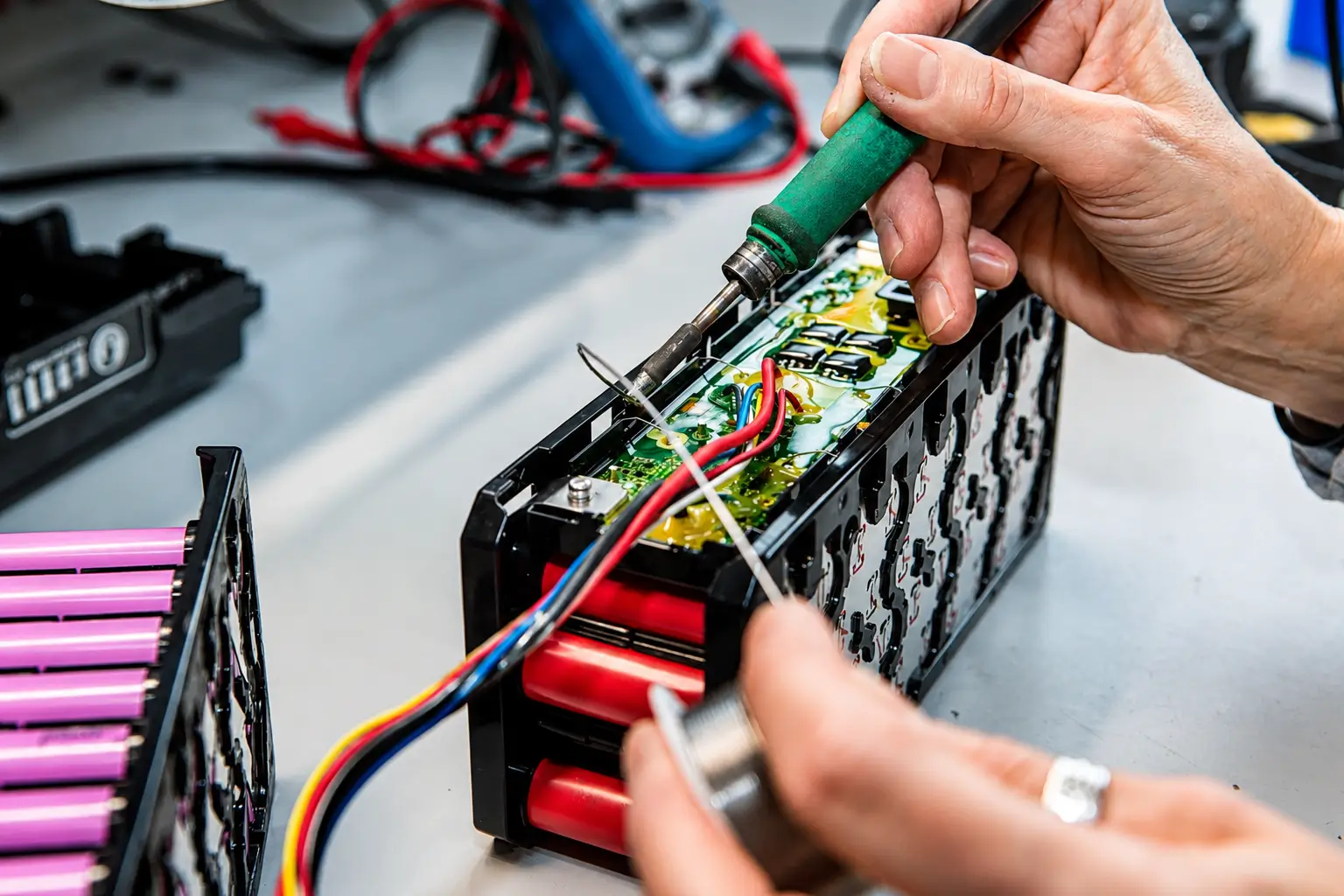
Method 2: Disassemble the battery pack and charge individual cells.
This method is theoretically feasible, but we do not recommend that non-professional users attempt it.
A 36V lithium-ion battery consists of multiple cells connected in series. For example, a 36V ternary lithium battery might consist of 10 cells in series, while a 36V lithium iron phosphate battery might consist of 12 cells in series. After disassembling the battery pack, you can use a single-cell charger to charge each series of cells individually.
This is no longer simply using a 12V charger to charge a 36V battery; rather, it involves breaking the battery pack down into lower-voltage units and then manually performing equalization charging.
This procedure carries certain risks: disassembling the battery pack may damage the battery casing, waterproofing, insulation, or even the BMS connection wires.
Furthermore, if a cell is connected with incorrect polarity, the charging voltage is set incorrectly, or the voltages of different cells are inconsistent after charging, reassembly may result in battery imbalance, frequent triggering of the Battery Management System protection, battery overheating, or even serious issues such as short circuits and fires. Therefore, this method is generally only suitable for professional technicians.
Method 3: Using an Adjustable Voltage Charger
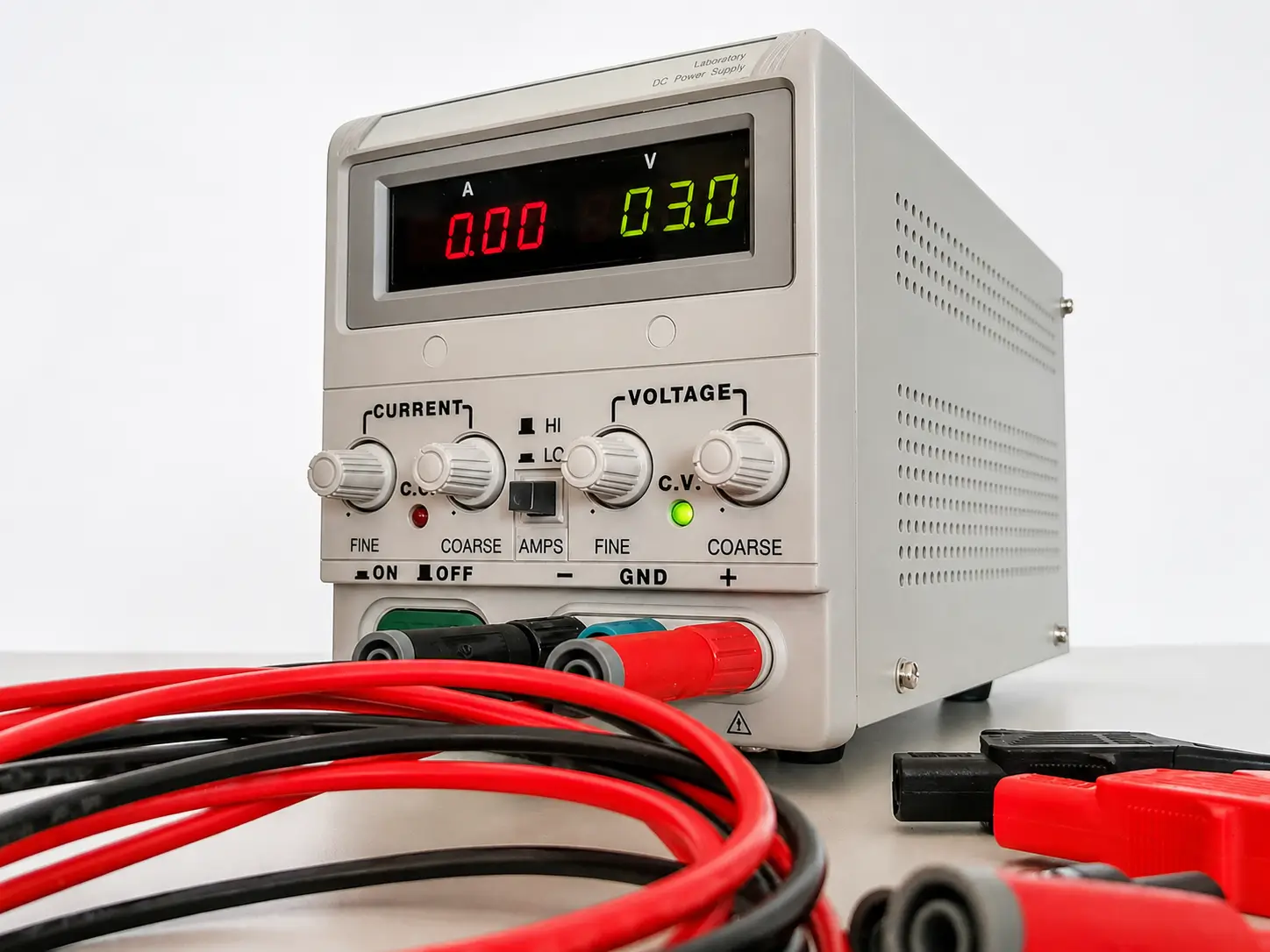
If you use an adjustable voltage charger with an output voltage range that meets the charging requirements of a 36V battery, it is theoretically possible to charge the 36V battery provided the parameters are set correctly.
In addition to voltage, the charging current must also be kept within the battery's permissible range. Professional adjustable-voltage chargers support both constant-current (CC) and constant-voltage (CV) charging modes, making them more suitable for charging lithium-ion batteries.
Examples include Mastech's HY3030E series adjustable DC power supplies and Korad's KA3005D series power supplies.
It is important to note that these devices are not standard chargers specifically designed for 36V batteries. When using them, the charging voltage, current, and cutoff conditions must be accurately set according to the battery type (LiFePO4, NMC, lead-acid, etc.); otherwise, the battery may be damaged.
How to Properly Charge a 36V Battery?
As we have consistently emphasized, you must first use a charger specifically designed for 36V batteries.
When preparing to charge, connect the charger to the battery first, then plug it into an outlet.
Additionally, before charging in cold temperatures, you should preheat the battery and wait until it returns to room temperature before charging. Never charge the battery when it is cold, as this reduces charging efficiency and accelerates battery degradation.
If using a LiFePO4 battery, this may also trigger the Battery Management System's low-temperature charging protection mechanism, preventing charging.
The Step-by-Step Charging Process
Identify the battery type: First, determine whether your 36V battery is a lithium-ion battery, a lithium iron phosphate battery, or a lead-acid battery. Different types of 36V batteries cannot be charged using the same charger.
Use a dedicated 36V charger: Please use a 36V charger that matches your battery type. For example, if you are using a 36V LiFePO4 battery, use a 36V LiFePO4 charger. Never use a 12V, 24V, or other type of charger.
Connect the battery first: Before charging, connect the charger plug to the battery's charging port and ensure the connection is secure with no looseness.
Then plug into the wall outlet: After connecting the battery end, plug the charger into a wall AC outlet.
Charge in a suitable environment: When charging, place the battery in a dry, well-ventilated, and cool location. Avoid direct sunlight, humidity, high temperatures, or low temperatures.
Preheat the battery in cold weather: If the battery has just been removed from a cold environment, do not charge it immediately. Allow it to warm up to room temperature first, then charge it.
Disconnect promptly after charging is complete: Once the charger indicates a full charge, unplug the charger from the wall outlet first, then disconnect the battery end to avoid overcharging.
Charge periodically even during long-term storage: If the battery is not used for an extended period, avoid letting it enter a deep discharge state. Check the charge level regularly; if it falls below 20%, charge it to at least 50%. Follow the "20/80" charging rule: charge when the level drops below 20%, and stop charging when it approaches 80%.
Conclusion
So far, we've learned that under normal circumstances, a 12V charger cannot charge a 36V battery. To be precise, the charger's voltage must match that of the battery.
Of course, there are some workarounds. If you're handy and have a good understanding of battery charging, you can choose to disassemble the battery cells or use a DC converter to charge them.
However, for beginners, we recommend using the appropriate charger to avoid further issues.
Frequently Asked Questions
How long does it take to charge a 36V battery?
The charging time for a 36V battery depends on the battery capacity and the charger current. You can estimate it using the formula: charging time (hours) ≈ battery capacity (Ah) ÷ charging current (A). For example, a 36V, 100Ah battery will take approximately 10 hours to fully charge with a 10A charger, while a 20A charger will take 5 hours.
Please note that due to a gradual decrease in current toward the end of the charging process and losses in charging efficiency, the actual charging time may be 10% to 20% longer than the theoretical value.
What voltage charger do I need for a 36V battery?
You need to use a dedicated 36V charger that matches the battery's rated voltage and type; you should not select a charger based solely on the "36V" label.
For 36V LiFePO4 batteries, the charging voltage should be around 43.8V; therefore, you should select a 36V LiFePO4 charger with an output voltage of 43.8V.
36V ternary lithium batteries require a charging voltage of approximately 42V.
36V lead-acid batteries require a charging voltage of approximately 43.2V to 44.4V.
Can I charge a 36V lithium battery with a car charger?
Car chargers are specifically designed for 12V car batteries, with an output voltage range of approximately 12V to 14.4V. Therefore, they are more suitable for charging 12V batteries and cannot be used to charge 36V batteries.