As the pace of the global energy transition continues to accelerate, Chinese energy storage system manufacturers have secured a leading position in the international market thanks to their comprehensive industrial chains and rapid technological innovation capabilities.
Since 2026, three major trends have emerged in the energy storage industry: long-duration energy storage, smart management, and localized services.
This article will provide an in-depth analysis of four industry-leading companies-CoPow, CATL, BYD, and EVE Energy-with a focus on comparing their product portfolios, technological capabilities, customization capabilities, and after-sales service systems.
Finally, this article will summarize the key criteria and certification requirements that global buyers should prioritize when selecting suppliers during the energy storage system procurement process, providing a practical procurement guide to help them choose suitable Chinese energy storage system manufacturers.
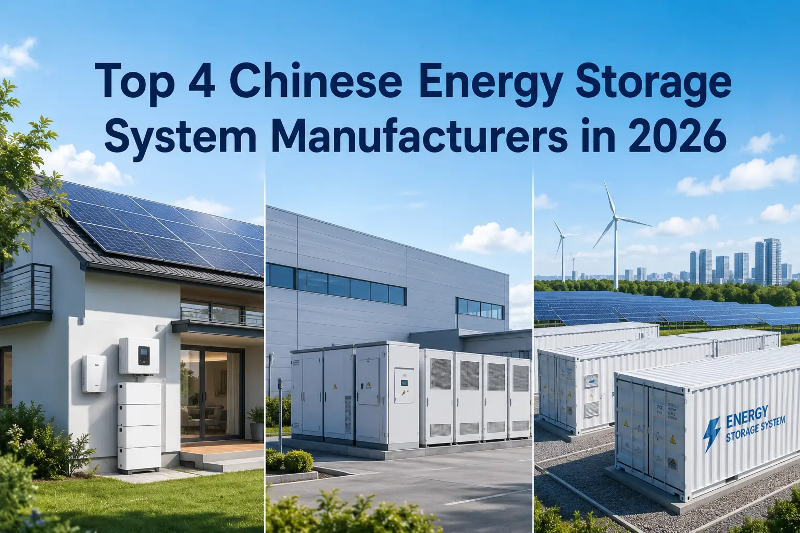
Top 4 china power storage systems manufacturer 2026
CoPow
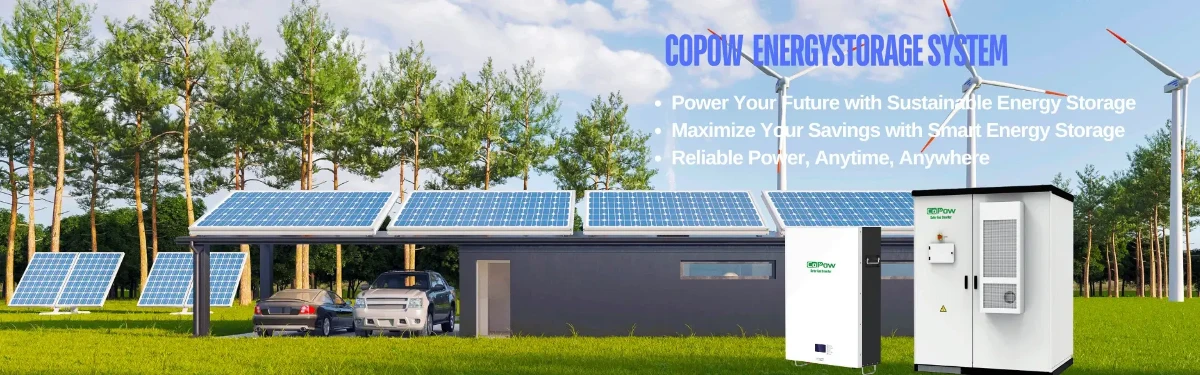
Company Profile
Founded in 2011, CoPow specializes in battery energy storage system integration and customized solutions, with business operations spanning residential, commercial and industrial, and large-scale energy storage projects.
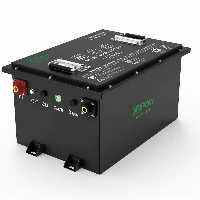
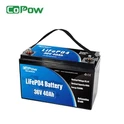
In the residential energy storage sector, CoPow offers energy storage systems ranging from 5 kWh, 10 kWh, 15 kWh, and 20 kWh to even higher capacities, tailored to the electricity consumption, solar PV systems, and backup power needs of different homes. These systems are available in both low-voltage and high-voltage configurations and can be tailored to project requirements by integrating inverters, battery management systems, communication protocols, and either grid-connected or off-grid operating modes. They are also available in wall-mounted, stacked, and cabinet-style designs.
In the commercial and industrial energy storage sector, CoPow offers solutions ranging from tens of kWh to the MWh scale. For factories, commercial buildings, industrial parks, charging stations, and solar-plus-storage projects, the company can configure systems based on actual load, peak-off-peak electricity rates, installed PV capacity, and backup power requirements.
In addition to battery packs, the company possesses the capability to integrate BMS, PCS, EMS, thermal management, fire suppression systems, and communication systems, all of which can be customized according to the grid conditions and technical requirements of different countries.
Rather than simply supplying energy storage batteries, CoPow specializes in project-based customization and system integration. From cell selection, battery pack design, and BMS and communication protocol matching to the structure, thermal management, and electrical and control systems of the entire energy storage system, everything can be configured according to the customer's capacity, voltage, installation space, and application scenarios, providing comprehensive technical support for residential, commercial, and industrial energy storage projects overseas.
Lithium-Ion Energy Storage Systems Provided by CoPow
| Category | Product | Typical Capacity | Main Applications |
|---|---|---|---|
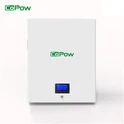
| Residential Energy Storage | Wall-Mounted Home Battery | 5–15 kWh | Home solar, self-consumption, backup power |
| Stackable Home Energy Storage System | 5–30 kWh | Home solar + storage, flexible expansion | |
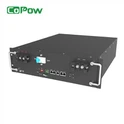
| Rack-Mounted Battery System | 10–50 kWh | Villas, homes, small businesses | |
| All-in-One Home Energy Storage System | 5–30 kWh | Solar + battery + inverter | |
| High-Voltage Home Energy Storage System | 10–50 kWh | High-power residential energy storage | |
| Commercial & Industrial Energy Storage | Small C&I Energy Storage System | 50–100 kWh | Shops, offices, small factories |
| C&I Energy Storage Cabinet | 215 kWh | Factories, commercial buildings, EV charging stations | |
| Liquid-Cooled C&I Energy Storage System | 261 kWh | Peak shaving, solar + storage, demand management | |
| Liquid-Cooled Energy Storage System | 418 kWh | Factories, warehouses, industrial facilities | |
| C&I Battery Energy Storage System | 522 kWh | Large commercial and industrial projects | |
| Containerized Battery Energy Storage System | 1–5+ MWh | Industrial parks, microgrids, large-scale projects |
* Have Specific Project Requirements?
We can adjust the capacity, dimensions, and system configuration based on your application needs.
Contact us to discuss your project requirements.


* Click to view the CoPow Energy Storage System Product Catalog - 1 & CoPow Energy Storage System Product Catalog - 2
Energy Storage Technologies
CoPow's system utilizes lithium iron phosphate batteries, offering high stability and wide temperature adaptability. Its modular design incorporates passive or forced-air cooling, simplifying installation and maintenance.
The proprietary battery management system monitors battery status in real time and issues fault alerts; it can operate in temperatures ranging from -20°C to 50°C and has been widely deployed in residential areas, parks, and power plants.
In addition to lithium iron phosphate battery technology, if you need to deploy an energy storage system in cold, low-temperature regions, we also offer the latest sodium-ion battery technology.
This technology is better suited to low-temperature environments than lithium-ion batteries and can maintain stable performance even at -40°C. If you are indeed facing power supply challenges in low-temperature environments, we invite you to share your needs and challenges with our team of sodium-ion battery R&D engineers.
Core Advantages
As a Chinese energy storage equipment manufacturer certified to UL 9540, CoPow prioritizes service quality, committing to respond to complaints within 24 hours and resolve them within 48 hours.
The company also maintains a sufficient inventory of spare parts. Battery systems undergo a variety of safety tests, including overcharge, over-discharge, and short-circuit tests. Each energy storage system is equipped with charging and discharging strategies tailored to specific application scenarios; for example, systems intended for the European market comply with the EU WEEE Directive.
Customization Capabilities
Products can be customized to meet specific requirements for battery capacity and voltage ratings, and we offer customized configuration options. For grid, commercial, and residential applications, we provide tailored solutions and maintenance and monitoring services throughout the product lifecycle. With our efficient service network, we can deploy products quickly.
Certification Standards
CoPow has established a quality management system covering R&D, procurement, production, testing, and quality traceability. The company has obtained ISO 9001 and IATF 16949 certifications, and implements quality control at key stages such as cell selection, pack assembly, BMS integration, finished product testing, and shipment inspection.
For energy storage products, CoPow can design, test, and certify products in accordance with energy storage system safety, battery safety, and transportation standards such as UL 9540, UL 9540A, UL 1973, IEC 62619, IEC 63056, GB/T 36276, and UN 38.3. The company is able to provide customers with appropriate certification and compliance support in accordance with project requirements in North America, Europe, and other markets.
In terms of product validation, battery systems undergo safety tests including overcharge, over-discharge, short circuit, high and low temperature, insulation, and thermal runaway, thereby establishing a multi-tiered safety validation mechanism across battery cells, battery packs, and complete energy storage systems.
After-Sales Service
CoPow has a dedicated customer support team, and customers can contact us via email, phone, and online channels. We typically respond to customer inquiries within 24 hours and provide solutions to after-sales service issues within 48 hours.
CoPow energy storage systems come with a standard 5-year product warranty, and we offer extended warranties and long-term maintenance services based on project scale, system configuration, and service requirements. For commercial and industrial energy storage as well as large-scale energy storage projects, we also provide spare parts support to meet the system's long-term operational and ongoing maintenance needs.
For overseas energy storage projects, CoPow engineers provide remote troubleshooting, installation and commissioning guidance, and on-site technical support. They also assist with international logistics, customs clearance documentation, and on-site technical training, offering continuous support for the energy storage system from delivery and installation through to ongoing operation and maintenance.
Contact Information
Email: admin@huanduytech.com
Phone: +86-755-89998295
Office Address: Chengtouxin Times Building, No. 2009 Pingshan Avenue, Pingshan Street, Shenzhen, Guangdong, China
Website: https://www.copowbattery.com/
CATL

Company Profile
CATL is a global leader in energy storage and power batteries, ranking first in global energy storage battery shipments in 2024. As of the third quarter of 2026, its energy storage battery business accounted for 20% of its revenue. The company has deployed energy storage projects with a total capacity exceeding 256 GWh across more than 1,000 sites worldwide, maintaining a record of zero safety incidents, with overseas revenue accounting for over 60% of its total revenue.
CATL (SZSE: 300750) covers the entire industrial chain, from battery cells and systems to recycling. Its factory in Hungary has commenced production, while its factory in Indonesia is planned to reach a capacity of 40 GWh; together, these facilities form CATL's global production network. In addition, CATL actively participates in the development of domestic and international standards and operates the world's first UL9540A laboratory authorized by UL Solutions, demonstrating leading technical and regulatory influence within the industry.
Main Products
Grid-Side Storage: Gigawatt-level solutions supporting expansions over 100 MWh with response times under 10 milliseconds.
Commercial Storage: Tianheng energy storage system with 587Ah cells, modular cabinet expansion, and ≥96.5% system efficiency, serving data centers and enterprise peak shaving applications.
Residential Storage: Compact lithium iron phosphate systems with 5-20 kWh capacity, 1-5 kW power, and cycle life exceeding 8,000 cycles.
Specialty Products: EnerOcean marine energy storage systems up to 200 MWh per site, and sodium-ion battery packs for cold climates and cost-effective applications.
Energy Storage Technologies
CATL controls over 80% of the upstream supply of lithium resources, has achieved full-industry-chain integration spanning battery cells, systems, and operations, and holds a leading position in high-capacity 587Ah battery cells. This technology increases system energy density by 25% and reduces carbon emissions by 57%.
The company has global delivery capabilities, with localized production facilities in Hungary and Indonesia. It meets certification requirements in Europe, North America, and the Middle East, and ensures exceptional safety through advanced battery design and intelligent battery management systems.
Core Advantages
CATL offers solutions tailored to various applications, such as AI-powered tidal energy project management and high-redundancy backup solutions for data centers. Its battery cells and systems can be customized in terms of capacity and energy density, and the company provides full-lifecycle services covering design, installation, and smart maintenance, supporting grid-connected energy storage projects supplied by China to Australia.
Customization Capabilities
CATL offers OEM/ODM services, providing customized voltage, current, capacity, and enclosure designs based on customer requirements, and supports integration with solar systems, the power grid, or commercial energy management systems. Battery management systems (BMS) and energy management systems (EMS) can be customized to meet specific communication protocols, monitoring strategies, and remote management requirements.
Certification Standards
CATL's products comply with international standards such as UL 9540A and IEC 63056, and its sodium-ion batteries have also been certified under this new global standard. In addition, the company's products meet domestic compliance standards such as GB/T 36276 and GB 44240, its manufacturing processes are ISO-certified, and they satisfy European environmental requirements.
BYD

Company Profile
Since 2008, BYD has been actively involved in the energy storage sector and became the world's leading energy storage supplier by shipment volume in 2024. Its business spans 110 countries, with a cumulative installed capacity exceeding 75 GWh. BYD offers end-to-end energy storage solutions, including commercial energy storage systems and residential products compliant with global standards.
Main Products
Grid-Side Storage: New generation Cube systems with 6.432 MWh capacity and 12.5 GWh-scale grid projects.
Commercial Storage: MC Cube-T series with single cabinets of 6.25 MWh and ≥97% efficiency.
Residential Storage: Battery-Box HVE paired with Power-Box inverter, offering a 15-year warranty.
Specialty Products: Solar-storage-charge integrated systems, nuclear emergency power, and marine batteries.
Battery Cells: Storage-optimized blade cells with over 10,000 cycles and ≥80% capacity retention.
Energy Storage Technology
BYD employs highly safe lithium-iron-phosphate blade batteries. This battery system utilizes CTS integration technology and is equipped with a liquid cooling system, achieving a space utilization rate of 98% and maintaining a temperature difference within 2.5°C. BYD's independently developed integrated BMS/PCS/EMS system has a response time of less than 10 milliseconds and can operate in environments ranging from -40°C to 55°C.
Core Advantages
- BYD has achieved full vertical integration across the entire industry chain, from lithium mining to recycling, reducing costs by over 20%.
- CTS integration and liquid cooling technology deliver industry-leading energy density;
- The system has passed rigorous fire safety tests, ensuring no fire spreads between cabinets.
- Rapid global delivery; for example, the 2.6 GWh project in Saudi Arabia was completed in just two months.
Customization Capabilities
The products feature a modular design and can be customized based on battery performance and system capacity. Solutions are specifically designed for grid-side peak shaving, commercial peak shaving, and residential backup power. The company also provides one-stop services, including project design and O&M training.
Certification Standards
BYD's products comply with UL 9540 Edition 3, CSA, and German EuPD certification standards, and meet GB standards domestically. The company adheres to end-to-end quality control and ensures environmental compliance.
EVE Energy

Company Profile
EVE Energy is a leading global provider of energy storage solutions and ranked second globally in terms of shipments in 2024. The company is listed on the Shenzhen Stock Exchange (Stock Code: 300124) and has been rated as a Tier 1 energy storage integrator by S&P Global. EVE provides comprehensive clean energy storage solutions for all scenarios.
Main Products
Grid-Side Storage: Mr.Giant systems up to 400 MWh with system efficiency over 95.5%.
Commercial Storage: 261 kWh outdoor cabinets with ≥94% efficiency and over 8,000 cycles.
Residential Storage: High-voltage stacked systems occupying only 0.21 m² with intelligent operation support.
Specialty Products: Communication, data center, and port storage systems, with an electric ship market share exceeding 50%.
Battery Cells: 628Ah production cells with energy density above 160 Wh/kg and cycle life exceeding 12,000 cycles.
Energy Storage Technology
EVE integrates prismatic lithium-iron phosphate (LFP) batteries, pouch-type ternary/LFP batteries, and large-format cylindrical batteries manufactured via fully automated processes. The system employs CTP technology and features a liquid-cooling system and quadruple safety protection, enabling stable operation across a wide temperature range from -40°C to 60°C.
Core Advantages
- EVE has independently developed a full industrial chain, including BMS and PCS, reducing operating costs by 30%.
- Its high-capacity cells and Mr. Giant system enhance performance and reliability, comply with the AS9100D standard, and have obtained DNV, BV, and CCS certifications.
- Solutions cover global markets, offering localized delivery services and supporting multiple energy management modes.
Customization Capabilities
Products, system modules, and services are fully customizable, with premium customers eligible for lifetime maintenance services. Automated production ensures rapid delivery.
Certification Standards
EVE's products have obtained S&P Tier 1, DNV, BV, CCS, and UN 38.3 certifications, and comply with GB, ISO 14000, and AS9100D standards. Additionally, EVE's batteries meet RoHS standards and are free of harmful heavy metals.
Shipping Energy Storage Systems from China: What You Need to Know
1. Core Certifications and Qualifications (Required)
Products must possess the following certifications before leaving the factory in China; otherwise, shipment will not be permitted:
UN38.3: Ensures that batteries comply with the United Nations safety testing standards for the transport of lithium batteries;
MSDS (Material Safety Data Sheet): Provides detailed information regarding battery composition, first aid measures, and transport requirements;
Dangerous Goods Packaging Certificate: Issued by Chinese Customs, certifying that the packaging meets the requirements for the safe transport of dangerous goods.
2. Choice of Shipping Method
Sea freight (most common): The lowest-cost option, suitable for large energy storage cabinets or bulk cargo. It typically involves the use of dangerous goods containers (DG containers) and requires booking 10–14 days in advance.
Rail transport (China-Europe freight trains): Faster than sea freight and cheaper than air freight, but fire safety requirements for batteries are very strict, and not all trains accept energy storage systems.
3. Dangerous Goods Classification (DG Class)
Energy storage systems are typically classified as Class 9 miscellaneous dangerous goods, specifically lithium batteries (UN 3480 or UN 3481). This means that the packaging must clearly display both the Class 9 dangerous goods label and the lithium battery handling label.
4. Packaging and Loading Requirements
Shock and moisture protection: Use wooden or metal crates that meet export standards and reinforce them to prevent shifting of the goods within the container.
State of Charge (SoC): International air or sea freight typically requires the battery's charge level to be maintained at 30% or below to effectively reduce the risk of fire.
5. Import Country Customs and Compliance
In addition to China's export procedures, you will need to confirm the certification requirements of the destination country.
- European Union: CE, RoHS, and RED certifications, as well as compliance with the EU Battery Directive;
- United States: UL certification is typically required (e.g., UL 1973, UL 9540);
- Taxes and duties: Confirm the Harmonized System (HS) code, which is typically 850760, to calculate import duties and value-added tax (VAT).
Compared to exporting general machinery and equipment, exporting energy storage systems from China is a completely different matter.
Whether it's residential energy storage batteries, commercial and industrial energy storage cabinets, or MWh-class containerized BESS units, as long as the system contains lithium-ion batteries, it is necessary to simultaneously consider hazardous materials classification, UN 38.3 compliance, transport certification, packaging, SOC, carrier approval, as well as customs clearance in the destination country and unloading conditions at the project site.
Large-scale BESS, in particular, may fall into the category of "dangerous goods + overweight equipment + high-value electrical systems." Therefore, it is best to finalize the transportation plan before production is completed, rather than waiting until the goods are finished to search for a freight forwarder.
For specific details, please refer to the following guidelines:
Specific Precautions:
1. First, determine what type of energy storage system you are shipping.
Energy storage systems do not fall under a single, uniform shipping category. For example, residential energy storage batteries (5–20 kWh), commercial and industrial energy storage cabinets (100–500 kWh), and containerized BESS units (3–5 MWh) differ in weight, structure, hazardous materials classification, and mode of transport. Commercial and industrial energy storage cabinets weigh approximately 2–15 metric tons, while a single large containerized BESS may weigh as much as 30–45 metric tons.
Before requesting a quote or booking space, you should specify the battery's chemistry, model, rated voltage, rated capacity/energy, quantity, net and gross weight per unit, external dimensions, packaging dimensions, and mode of transport (shipped separately, installed inside equipment, or integrated into a complete energy storage container).
For large-scale energy storage systems, it is also necessary to provide the center of gravity, lifting points, and operating requirements for forklifts or cranes.
It is not sufficient to simply provide a freight forwarder with a 20-foot BESS or a 500 kWh ESS cabinet.

2. Do not simply classify all energy storage systems as UN3480 or UN3481.
This is a common source of error in energy storage exports: When lithium-ion batteries are transported separately, UN3480 should be used; when lithium-ion batteries are installed in equipment or transported together with equipment, UN3481 should be used.
if the batteries are permanently installed in a Cargo Transport Unit, and the entire container itself serves as an energy storage device used to supply power to the outside of the container, then UN3536-Lithium batteries installed in a cargo transport unit-should be used.
Therefore, one should not automatically use UN3536 simply upon seeing the term "containerized energy storage," nor should one uniformly list UN3480 just because the container holds lithium batteries.

3. UN38.3, SDS/MSDS, and dangerous goods documentation must match the actual model being shipped.
UN38.3 is the most critical foundational document for the international transport of lithium batteries, serving to certify that the corresponding battery model has passed transport safety tests, including altitude simulation, temperature, vibration, shock, and external short-circuit tests.
The key point is not merely that the battery manufacturer possesses a UN38.3 report, but rather that the report and test summary must correspond to the battery cells, battery packs, and related configurations being shipped. If there are changes to the battery design or cell configuration, it is necessary to reassess whether the original test documentation remains applicable.
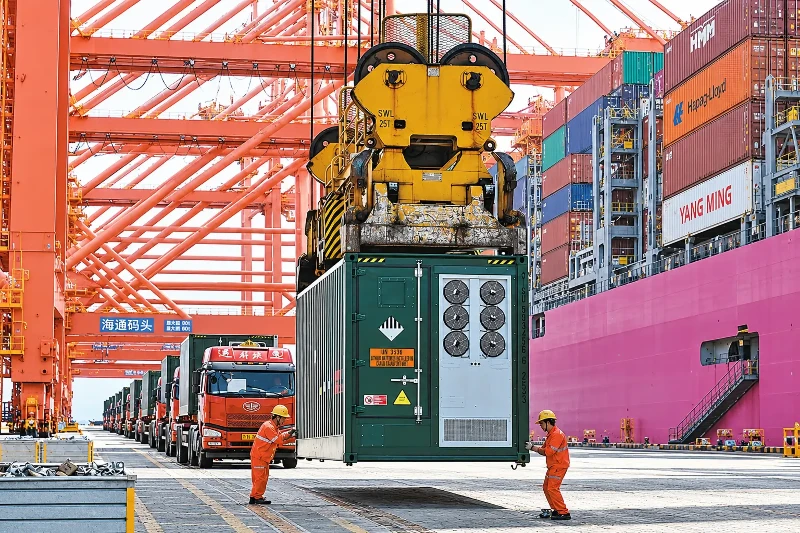
4. Ocean freight is the primary mode of transportation for large-scale energy storage systems.
For large-scale commercial and industrial energy storage cabinets and containerized BESS units, ocean freight is the most practical transportation solution.
This is because such equipment is typically heavy and bulky and often involves hazardous materials. Options such as standard FCL, SOC, Flat Rack, Breakbulk, or Heavy-Lift must be determined based on the weight, dimensions, and structure of each container, as well as the shipping line's acceptance criteria for dangerous goods.
The transportation method cannot be selected based solely on dimensions; it must also take into account dangerous goods clearance, port capacity, stowage, and operating conditions at the destination port.
For particularly heavy containerized energy storage systems, the issue is no longer whether to use a 20GP or 40HQ container, but rather whether the vessel and port can handle the weight.
For example, there have been actual BESS projects involving non-stackable equipment weighing approximately 30 metric tons per unit. Standard container ships may not necessarily have the appropriate loading capabilities, and breakbulk or project cargo transport may ultimately be required.
5. When to Consider Air Freight
For samples, replacement parts, or residential energy storage products, air freight may be considered if they comply with IATA dangerous goods transport requirements and are accepted by the airline.
However, large industrial and commercial energy storage cabinets and full-container BESS units cannot be handled as general air cargo; they require a separate feasibility assessment based on the specific battery configuration, individual unit weight, total weight, and aircraft restrictions.
If you urgently need a large energy storage cabinet, you must first confirm whether the airline accepts this type of dangerous goods and the corresponding packaging requirements.
6. The 30% SOC Issue
A 30% SOC is not a universal global rule applicable to all energy storage systems and modes of maritime transport. The SOC must be determined based on the battery type, mode of transport, UN classification, carrier, and specific route requirements.
When shipping lithium-ion batteries by air, SOC restrictions are more stringent; when shipping large ESS units by sea, the SOC must be confirmed in accordance with applicable IMDG requirements and the acceptance criteria of shipping lines and ports.
7. Packaging Issues
Residential energy storage batteries and battery modules can be packed in cardboard boxes, pallets, or wooden crates that meet transportation requirements; however, large-scale commercial and industrial energy storage cabinets and BESS systems require additional engineering measures-such as steel frames, bases, strapping, and blocking and bracing-to ensure that the equipment does not shift during transport due to ship vibrations, sudden braking, crane handling, or road bumps.
In addition, considerations must be given to terminal insulation, short-circuit protection, moisture protection, impact protection, the equipment's center of gravity, lifting points, and forklift access points.
It is recommended to maintain a complete photographic record after packaging is completed, including the equipment nameplate, hazardous materials labels, packaging condition, securing structures, container loading position, container door closure status, and the final seal number. This ensures a complete chain of evidence for the shipment in the event that packaging damage or cargo displacement is discovered at the port of destination.

8. Wooden packaging must comply with export requirements such as ISPM 15
If solid wood pallets, wooden crates, or wooden supports are used for the export packaging of energy storage cabinets or batteries, it is necessary to confirm that the wooden packaging complies with the phytosanitary requirements of the destination country (e.g., ISPM 15). Particularly for markets such as Australia and New Zealand, one must not focus solely on the hazardous materials documentation for the batteries themselves while neglecting the requirements for wooden packaging, biosafety, and fumigation or treatment.
It is best to finalize the packaging design during the production phase to avoid discovering-after the energy storage cabinets have been manufactured-that the wooden crates, pallets, or securing methods do not meet requirements, which could affect booking and delivery schedules.
9. Just because China can export a product does not mean the destination country can necessarily import and install it.
Transportation compliance and product market access are two separate matters: UN 38.3, SDS, dangerous goods declarations, and similar requirements primarily address the question of "whether this battery system can be transported in accordance with the relevant transportation regulations"; whereas CE, UL, IEC, RCM, SABER, and other certifications primarily concern how the product enters the local market, as well as how it is installed, connected to the grid, or undergoes project acceptance.
Therefore, it is necessary to verify the destination country's requirements before exporting. For example, energy storage products entering the EU must comply with applicable CE marking, battery regulations, and relevant IEC/EN standards, while projects entering the U.S. often involve requirements such as UL 1973, UL 9540, and UL 9540A.

10. Do not uniformly assign HS code 850760 to all ESS units
HS 8507.60 is a common classification for lithium-ion batteries. However, a complete energy storage system includes batteries, a power conversion system, an energy management system , power distribution, fire suppression, and temperature control systems; its final classification may not necessarily be identical to that of a standalone lithium-ion battery.
For highly integrated ESS units, different customs authorities may consider alternative classifications based on the system's functionality. Therefore, you should have the importer or a local customs broker confirm the final HS code before shipment.
11. Plan not only for port-to-port transport, but also for the last mile.
One of the most commonly overlooked aspects of BESS is what happens after the container arrives at its destination port: even if a 30- to 40-metric-ton energy storage container arrives at the port without incident, it does not necessarily mean that a standard trailer can deliver it directly to the project site.
Therefore, it is necessary to confirm in advance the local road weight limits, requirements for overweight transport permits, vehicle qualification requirements, bridge and road restrictions, as well as the road width, turning radius, crane capacity, and final unloading location at the project site.
In markets such as Germany and the United Kingdom, it may be necessary to consider hazardous materials vehicle qualifications and permits for overweight road transport. Additionally, some ports do not allow hazardous materials energy storage containers to be stored for extended periods, so off-port storage yards must be arranged in advance.
Consequently, a comprehensive transportation plan should include the following steps:
Chinese factory → Domestic hazardous materials transport → Port of export → Ocean freight/rail → Hazardous materials handling at the port of destination → Customs clearance → Local heavy-haul transport → Lifting/unloading at the project site.

12. The biggest cause of delays is not ocean freight itself, but rather the documentation and booking process prior to departure.
In energy storage projects, it is common for production to be completed, only for issues to arise when the customer requests immediate shipment-such as problems with UN classification, UN 38.3, SDS, transport certification, packaging methods, SOC, equipment weight, or the shipping line's dangerous goods approval. Many delays do not occur during transit but rather before departure, due to incomplete documentation or cargo information.
Therefore, a more efficient process involves simultaneously finalizing the model, configuration, UN classification, required documents, packing, shipping method, destination compliance, and site delivery during the order placement and technical confirmation stages, so that production, packaging, dangerous goods declaration, and logistics can proceed in parallel.
13. It is best to prepare a complete buyer's checklist before shipment.
Before paying the final balance or approving container loading, the buyer should confirm at least the following:
- The actual models and quantities being shipped match those on the Proforma Invoice (PI) and contract;
- UN38.3 and the SDS correspond to the actual product;
- The dangerous goods classification has been verified by a professional;
- The Invoice, Packing List, weight, and product description are consistent;
- Photographs of the actual packaging and labeling have been taken.
- The SOC complies with the requirements of the mode of transport and the carrier for this shipment;
- The shipping line has accepted the booking for this dangerous goods shipment;
- The import clearance documentation and HS Code for the port of destination have been confirmed by the importer;
- Last-mile transportation, lifting equipment, and on-site unloading conditions have been properly arranged.
In summary, for large-scale energy storage projects, logistics should be considered an integral part of the ESS project design, rather than an afterthought following the completion of product manufacturing.
Residential vs. Commercial Energy Storage Systems: Key Differences Explained
Residential Energy Storage Systems
Residential energy storage systems are designed specifically for homes and are typically used in conjunction with rooftop solar power systems. Their primary purpose is to store solar energy during the day for use at night, thereby optimizing electricity costs. Additionally, they serve as an emergency backup power source, supporting the operation of essential household appliances such as refrigerators and lighting.
As a leading manufacturer of residential energy storage systems in Europe and China, CoPow's compact residential lithium-ion battery storage units (5–20 kWh) are a prime example of its offerings. These units can be installed in a home garage or on an exterior wall and are specifically designed for European households, compatible with 230V and 50Hz.
Commercial Energy Storage Systems
Commercial systems are primarily used in industrial facilities, business parks, shopping centers, and data centers. Their core objective is to implement a "peak shaving and valley filling" strategy that stores electricity during off-peak hours and uses it during peak hours, thereby effectively reducing electricity costs.
Low MOQ commercial energy storage supplier CoPow offers modular, customizable battery cabinets (100 kilowatt-hours to 10 megawatt-hours), deployed in factory annexes or park energy stations, supporting small-batch custom orders for enterprises worldwide.
Key Factors When Choosing an Energy Storage System Manufacturer
Technology & Reliability
Verify self-developed core technologies such as battery formulas, integration, and BMS/EMS. Critical metrics include cycle life ≥8,000, efficiency ≥94%, and wide temperature tolerance. Confirm safety tests and track records.
Capacity & Supply Chain
Ensure production meets demand, prioritize manufacturers with overseas factories, and check upstream supply independence.
Scenario Adaptation & Customization
Choose manufacturers with proven experience in the target scenario and flexible system/cell parameters.
Service & Operations
Warranty coverage should match component lifetimes, with 24-hour response and remote monitoring. Prefer companies offering battery recycling.
Qualifications & References
International and domestic certifications, participation in standard-setting, and benchmark project experience.
Cost & ROI: Compare full lifecycle costs, considering high-cycle cells for long-term value. Manufacturers providing financial or subsidy support improve payback periods.
What Certifications a Reliable Energy Storage Manufacturer Must Have?
International: UL 9540A, IEC 63056, UN 38.3, CE for EU markets.
Domestic: GB 44240-2024, GB/T 36276-2022, CQC system and BMS certifications.
Quality & Environmental: ISO 9001, ISO 14001, IATF 16949.
Special Applications: DNV/CCS for marine, UL 1973 for residential, TÜV for safety and efficiency.
Reasons Chinese Energy Storage Systems Are Highly Competitive on the Global Market
Full Industrial Chain Control
Over 80% self-supply of lithium and cobalt, with midstream and downstream capacity leading globally.
Technology & Standards Leadership
587Ah large cells, CTS/CTP integration, over 12,000-cycle lifespan, and participation in over 20 international standards.
Global Manufacturing & Delivery
Overseas factories enable 1-2 month local delivery; 300+ GWh of global projects deployed, supporting Australia's grid-tied energy storage solution from China.
Policy & Ecosystem Support
Domestic carbon targets and subsidies, Belt and Road energy partnerships.
Cost-effectiveness & Customization
15-20% lower prices than European and American competitors, full-scenario support, and 24-hour global after-sales.
What Are the Hidden Costs When Importing Energy Storage Systems from China?
Tariffs & Compliance: Anti-dumping taxes 10-25%, certification costs 10,000–50,000 USD per project.
Logistics & Storage: Damage rates 2-5%, customs delays 1-2 weeks.
Installation & Adaptation: Voltage mismatches may require transformers (2,000–10,000 USD).
After-Sales: Spare parts lead times 2-4 weeks, emergency support costs 500–1,000 USD/hour.
Currency & Payment: Exchange rate fluctuations 1-3%, LC fees 0.1-0.5%, financing costs 3-5% annually.
How CoPow Guarantees Its Energy Storage Solutions Meet Local Regulations Abroad?
CoPow conducts regulatory research to assist with preparations prior to UL 9540A and CE-RED certification. This includes: adapting the system to local voltage and frequency; preparing complete customs documentation; collaborating with local partners; and ensuring ongoing compliance during operations, including battery recycling in accordance with the EU Waste Electrical and Electronic Equipment (WEEE) Directive.
How CoPow Energy Storage Systems Maintain Reliability Under Harsh Weather Conditions?
CoPow selects appropriate battery systems and thermal management solutions based on the actual climatic conditions at the project site. For conventional energy storage projects, LiFePO4 batteries can be used, with cell operating temperatures controlled through battery heating, forced air cooling, or liquid cooling systems.
For projects located in extremely cold regions, where winter temperatures remain low for extended periods or where low-temperature charging and discharging are required, sodium-ion battery solutions can be adopted. These solutions leverage superior low-temperature charging and discharging performance to reduce reliance on continuous heating and support low-temperature discharge at temperatures as low as -40°C.
In addition, CoPow provides IP-rated protective enclosures tailored to outdoor environments, along with corrosion protection, thermal insulation, and lightning and surge protection.
For different environments-such as those with high temperatures, high humidity, extreme cold, or coastal locations-the battery type, thermal management, enclosure protection, and control strategies will be customized based on the specific project requirements.

A Look Inside the Production Line: How Are CoPow High-Power Energy Storage Systems Manufactured?
The manufacturing of CoPow high-power energy storage systems involves a series of production processes, including cell consistency control, PACK manufacturing, electrical and thermal management integration, system-level testing, and data traceability.
Before entering PACK production, the cells first undergo testing for key parameters such as capacity, voltage, and internal resistance, followed by consistency screening.
Based on the matching results, the cells are grouped to minimize the impact of cell variations on system capacity, cycle life, and long-term operational stability.
Once grouping is complete, the cells are assembled into modules or PACKs according to the design specifications. Critical electrical connections are established using automated laser welding technology. At the same time, comprehensive inspections are conducted to verify weld quality, contact resistance, insulation performance, and structural integrity.

Once the battery pack is complete, the system enters the integration phase. Based on the energy storage system's power, capacity, and operating environment, components such as the battery pack, BMS, high-voltage control unit, fuses, contactors, power distribution components, and wiring harnesses are integrated into the energy storage cabinet, and a corresponding liquid-cooled or air-cooled thermal management system is configured.
For high-power charging and discharging applications, thermal management must not only control the overall temperature but also minimize temperature differences between different PACKs and cells as much as possible to prevent localized temperature increases from affecting the system's sustained output capacity.
Once hardware assembly is complete, integrated testing is required for functions such as BMS communication, SOC acquisition, high-voltage control, temperature monitoring, charge/discharge protection, and fault alarms. The entire system undergoes factory validation through charge/discharge testing, insulation and withstand voltage testing, communication testing, protection function testing, and necessary environmental adaptability testing.
Each energy storage system produced is assigned a unique serial number (SN), and a production test record is created to link key components, production batches, and test data. This ensures product traceability from production and shipment through to subsequent operation and maintenance, providing a data foundation for project delivery and full lifecycle management.

How CoPow Supports Overseas Customers with Installation and After-Sales Service?
CoPow's services include: multilingual operating manuals, training for local installation teams, remote guidance, maintenance of overseas spare parts warehouses, remote monitoring systems, scheduling of regular inspections and long-term warranties and software upgrades.
Key Global Energy Storage System Trends to Watch in 2026
In 2026, the global energy storage market will remain in a phase of rapid expansion. According to data from BloombergNEF, new global energy storage capacity (excluding pumped-storage hydro) reached 112 GW/307 GWh in 2025, and new capacity is expected to expand further to approximately 158 GW in 2026.
The International Energy Agency (IEA) uses a slightly different statistical methodology, but its data also shows that new battery storage capacity reached 108 GW in 2025, representing a year-over-year increase of approximately 40%.
Energy storage technology is evolving from short-duration frequency regulation systems (1–2 hours) toward longer-duration energy shifting systems.
In the past, many large-scale BESS projects generated revenue primarily by providing ancillary services such as frequency regulation and backup power. However, as installed capacity of solar and wind power continues to grow, low or even negative electricity prices during the day and peak prices at night are becoming increasingly common. Consequently, the core value of energy storage has gradually shifted toward shifting electricity from low-value periods to high-value periods.
According to IEA data, among new global energy storage projects in 2025, those primarily used for energy shifting will account for more than 90 percent. Meanwhile, the average energy storage duration of projects commissioned in 2025 has increased from approximately 2 hours in 2023 to about 3 hours.
Four-hour energy storage is becoming more common, and 6- to 8-hour-or even longer-energy storage systems are beginning to be deployed in commercial projects.
In Italy, the first round of the MACSE program has secured contracts for approximately 10 GWh of energy storage projects, of which about 1.3 GWh are for projects with a duration of 8 hours or more. In the United Kingdom, the Long-Duration Energy Storage Support Scheme requires projects to be capable of continuous discharge at rated power for at least 8 hours. According to BloombergNEF forecasts, annual new capacity additions for long-duration energy storage systems with a duration of 6 hours or more will increase approximately fourfold by 2026.
Grid-forming battery energy storage systems (Grid-Forming BESS) are gradually becoming a key technical requirement for grid-scale projects.
As the share of energy sources based on power electronic converters-such as solar, wind, and battery storage-continues to grow, the proportion of traditional synchronous generators in the power grid is gradually decreasing. Consequently, the methods used to control grid frequency, voltage, and system stability must also be adjusted accordingly.
Compared to Grid-Following PCS, which relies on the existing grid voltage and frequency, Grid-Forming BESS can actively establish and maintain voltage and frequency, while providing capabilities similar to those of inertia and fast frequency response.
Markets such as Europe have already begun establishing relevant technical specifications. Consequently, the future competitive focus for large-scale energy storage systems will no longer be limited to "battery capacity alone"; PCS control strategies and system-level grid-connection capabilities will become increasingly important.
LFP will remain the dominant technology in 2026, but the trend of using LFP for all energy storage applications is beginning to wane.
According to IEA data, approximately 90% of new global battery energy storage installations in 2025 will utilize lithium iron phosphate technology. Its mature supply chain, low cost, long cycle life, and proven system integration solutions make it difficult for LFP to be replaced in the short term.
At the same time, non-lithium technologies such as sodium-ion, flow batteries, and iron-air batteries are carving out their own application areas.
Among these, sodium-ion batteries deserve particular attention. The IEA predicts that 2026 could be a pivotal year for the large-scale deployment of sodium-ion batteries. However, the current cost and industrial maturity of sodium-ion batteries still make it difficult for them to fully challenge LFP batteries. More realistic avenues for breakthroughs include low-temperature energy storage, supply chain diversification, and lithium-sodium hybrid energy storage systems.
BloombergNEF also forecasts that sodium-ion batteries will capture a certain market share in the stationary energy storage sector.
Signs of this trend have already emerged in 2026 through actual products. For example, CATL launched the TENER Sodium energy storage system in June, with cumulative shipments expected to reach 1 GWh by the end of 2026; however, global deliveries are scheduled to begin in June 2027.
Energy storage systems are increasingly being integrated directly with solar, wind, and large-scale loads, rather than operating as standalone power plants.
The number of "Solar + Storage," "Wind + Storage," and "Solar + Wind + Storage" projects continues to grow.
Wood Mackenzie notes that more than half of the new energy storage projects announced in Australia and India in 2025 are already integrated with solar, wind, or both; meanwhile, negative electricity prices exceeding 500 hours per year in some European markets have further enhanced the economic value of "renewable energy + storage" solutions.
Data centers are also becoming a very important source of demand for the energy storage industry.
The large-scale, centralized electricity demand generated by AI data centers means that the role of energy storage is no longer limited to UPS backup; it is now taking on multiple functions, including power smoothing, peak load management, grid connection capacity management, renewable energy integration, and backup power.
According to IEA data, in 2025 alone, the new capacity of battery-based UPS systems-primarily for data centers-reached approximately 45 GW, representing a year-over-year increase of 30%.
The real bottleneck in the energy storage industry is shifting from "whether batteries are cheap enough" to "whether projects can connect to the grid."
The International Energy Agency (IEA) estimates that more than 2,500 GW of renewable energy, energy storage, and large-scale electricity consumption projects are currently stuck in grid connection queues worldwide.
While energy storage systems themselves can typically be built in one or two years, transmission and distribution infrastructure often takes 5 to 15 years from planning to completion. As a result, the design of future BESS projects will increasingly focus on shared grid connection points, non-firm connections, co-location with renewable energy sources, and the use of energy storage to alleviate local grid congestion.
Competition among energy storage system suppliers is also evolving.
Simply supplying battery cells, packs, and containers is becoming increasingly difficult as a means of differentiation.
According to a report by Wood Mackenzie, by 2025, Chinese system integrators will account for approximately 76% of the global BESS market, with eight of the top ten global integrators headquartered in China. As hardware prices decline, competition for projects is gradually shifting toward grid-integration technology, EMS/BMS control, system safety, grid-connection certifications in different countries, local services, and financing support capabilities.
If we were to distill the global energy storage trends for 2026, they could be summarized as a clear trajectory:
Larger scale → Longer duration → Stronger grid-integration capabilities → More co-location with renewable energy sources → More applications in data centers and commercial and industrial loads → LFP continues to dominate, but new technologies such as sodium-ion batteries begin to commercialize → Competition gradually shifts from battery prices to comprehensive system capabilities.
Conclusion
By 2026, these four Chinese energy storage manufacturers will lead the global market by leveraging their respective competitive advantages. Among them, CATL will dominate the market thanks to its control over the entire industrial chain and its long-duration energy storage technology.
BYD has achieved large-scale deployment through its Blade Battery and CTS integrated technology; EVE Energy has successfully expanded its market share with its high-capacity batteries and adaptability across multiple scenarios; and Kopei excels in flexible customization and efficient after-sales service. All four companies have met international and domestic certification standards, ensuring reliable operation in extreme environments and compliance with overseas laws and regulations.
With the adoption of long-duration and sodium-based energy storage technologies, Chinese manufacturers will continue to drive the global energy transition, providing high-performance, cost-effective, and reliable solutions to customers worldwide.
If you are seeking reliable energy storage solutions, we invite you to contact these manufacturers to receive customized recommendations regarding specifications, compliance, or project requirements, helping ensure the smooth progress of your project.
FAQ
How do I choose the right Chinese energy storage system manufacturer for my project?
Compare technical reliability, battery cycle life, system efficiency, and safety certifications (such as UL 9540A and UN 38.3). Evaluate factory production capacity, customization flexibility, overseas delivery capabilities, warranty terms, and project case studies. Give priority to manufacturers with relevant integration experience in residential and commercial applications who also offer comprehensive after-sales support.
What are the main differences between residential and commercial energy storage systems?
Residential systems (5–20 kWh) can be used in conjunction with rooftop solar systems to reduce electricity bills and provide backup power; Commercial and Industrial (C&I) systems (≥100 kWh, scalable to the megawatt-hour level) can provide peak shaving, demand management, and energy stabilization support for facilities such as factories and data centers. C&I systems require higher safety redundancy, more robust cooling systems, and more advanced energy management systems (EMS) for control.
Are Chinese energy storage systems reliable for use in extreme climates?
Yes, this system was designed by a leading manufacturer and is suitable for a wide temperature range (-30°C to 55°C, with even wider ranges available for special models). The liquid cooling system, heating film, IP65/IP67-rated waterproof design, corrosion-resistant coating, and intelligent BMS temperature regulation work together to ensure stable performance. The system has been proven reliable in the cold climates of Northern Europe, the hot conditions of the Middle East, and the high-humidity environments of Southeast Asia.
which chinese suppliers offer oem services for energy storage systems?
If you're looking for a cost-effective OEM energy storage system manufacturer, CoPow can provide you with high-quality solutions. CoPow is a Chinese supplier offering OEM/ODM services for energy storage systems, providing customizable solutions for residential, commercial and industrial, and containerized energy storage systems.
In addition to its proven LiFePO4 solutions, CoPow also offers sodium-ion battery technology. We can customize capacity, voltage, battery management systems, communication protocols, and system integration solutions based on project requirements, ensuring users have a sufficient power supply at any time of the year.
which chinese-based bess manufacturer supports c&i projects with certifications and customized capacity?
There are several BESS manufacturers in China that support commercial and industrial energy storage projects, such as CATL, BYD, Sungrow, and CoPow, which specializes in customized system integration.
For non-standard projects, CoPow can tailor solutions based on capacity, voltage, battery management systems, power conversion systems, and communication requirements, and provides support for relevant certifications, including IEC 62619, UN38.3, and CE, while offering both lithium iron phosphate and sodium-ion battery solutions.
Which BMS suppliers support large-scale energy storage projects in 2026?
As of 2026, BMS suppliers supporting large-scale energy storage projects include specialized manufacturers such as Gaote Electronics, Xieneng Technology, Kegong Electronics, and Nuvation Energy.
In addition, battery and energy storage system companies such as CATL, BYD, Sungrow, and CoPow also possess the capabilities to independently develop BMS and perform system integration.
which chinese battery energy storage system suppliers hold global certifications?
Several Chinese battery energy storage system suppliers offer products for the global market and have obtained the relevant international certifications. These suppliers include CATL, BYD, Sungrow, HyperStrong, Trina Storage, EVE Energy, and CoPow, among others.
Common global certifications and standards include UL 9540, UL 9540A, UL 1973, IEC 62619, IEC 63056, CE, and UN38.3, among others. The specific scope of certification varies depending on whether the product is a battery cell, battery module, energy storage cabinet, or a complete BESS system.
Taking CoPow as an example, its energy storage systems can be configured with batteries, battery management systems, and system solutions that comply with relevant international standards based on the target market and project requirements.
which chinese suppliers offer battery energy storage systems for small commercial buildings?
For small commercial buildings, Chinese BESS suppliers such as CoPow are a viable option. CoPow offers commercial and industrial energy storage systems ranging from 50 to 215 kWh, with system capacity and configuration that can be flexibly adjusted based on building load, PV capacity, peak-off-peak electricity rates, and backup power requirements. This product is suitable for commercial settings such as small office buildings, retail stores, hotels, and warehouses.
which chinese battery energy storage system brands are suitable for europe c&i projects?
Common Chinese BESS brands in European commercial and industrial energy storage projects include Sungrow, CATL, BYD, Huawei, Pylontech, EVE Energy, and CoPow.
Among these, Sungrow, Huawei, and BYD enjoy high brand recognition in the European energy storage and inverter markets; CATL and EVE Energy hold significant market share in the battery cell and energy storage system sectors; Pylontech is also widely adopted in the European commercial and distributed energy storage markets.
CoPow, on the other hand, focuses more on customized C&I energy storage solutions, capable of system integration based on project capacity, voltage, PCS/EMS communication, and application environments, and offers both lithium iron phosphate and sodium-ion battery solutions.
which chinese suppliers provide bess solutions for healthcare backup power?
Suppliers in China capable of providing BESS solutions for medical backup power projects include Huawei, Kehua Tech, Sungrow, BYD, and CoPow.
Among them, Huawei is better suited for integrated photovoltaic, energy storage, and microgrid projects in hospital campuses; Kehua Tech, with its background in UPS and critical power systems, is better suited for critical loads-such as operating rooms, medical equipment, and data systems-that cannot tolerate prolonged power outages;
Sungrow and BYD are better suited for commercial and industrial energy storage and microgrid projects in large hospitals or medical campuses.
CoPow, on the other hand, focuses on customized BESS solutions. It can determine kW/kWh configurations based on a hospital's actual critical load power and required backup time, and configure the BMS, PCS, EMS, and communication systems to integrate with UPS, diesel generators, PV systems, and the utility grid. This makes it particularly well-suited for medical backup power projects that cannot be directly accommodated by standard energy storage cabinets.