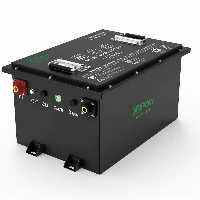
The "40-80 Rule for Lithium-Ion Batteries" may sound a bit complicated, but it's actually a simple charging habit designed to extend battery life, especially that of lithium-ion batteries.
Next, we'll explain the specifics of the "40-80 Rule," describe how it extends the lifespan of lithium-ion batteries, and explore how to apply this simple yet effective charging strategy in everyday use across various scenarios, including smartphones, RVs, electric boats, and energy storage systems.

What Is the 40–80 Rule?
The "40/80 rule" refers to keeping a lithium-ion battery's charge level between 40% and 80% to extend its lifespan. This method avoids both fully charging the battery to 100% and completely discharging it to 0%. Specifically, it involves starting charging when the battery level reaches 40% and stopping when it reaches 80%.
This method aligns with the optimized charging strategy recommended in smartphone settings, but the charging range may be somewhat restrictive. Therefore, expanding the charging range to 20%-80% is a more practical compromise.
Why the 40–80 Range Works for Lithium Batteries?
This is because when a lithium-ion battery is charged to nearly 100% or discharged to nearly 0%, intense chemical reactions occur inside the battery. This can be explained another way: when a phone's battery is very low or fully charged, the battery tends to get slightly warm.
This phenomenon reduces battery capacity, which is one of the reasons smartphone batteries need to be replaced frequently. However, if the lithium-ion battery's charge level can be maintained between 40% and 80%, such intense chemical reactions will not occur. This not only prevents the phone from overheating but also slows the battery's aging.
How to Apply the 40–80 Rule in Daily Use?
That said, we've only been discussing this in theory so far. So, how can we apply the "80/20 Rule" in our daily lives? Here are a few simple examples for your reference.
Scenario 1: Office Workers/Students
Many people wait until their phone's battery is nearly depleted (for example, below 20%) before charging it, and then charge it all the way to 100%. For instance, they might leave home in the morning with a fully charged phone and, in the afternoon, when the battery drops to 15%, start charging it while continuing to use the phone, keeping it at 100% for hours.
This practice undoubtedly shortens battery life. Therefore, it is recommended to follow the "40/80 rule": when the battery level is at 60%, charge it to 80%-treating this as a "snack-style" charge, meaning "small amounts frequently." Then, when the battery level drops to 40% to 50%, perform a quick charge, but stop charging once it reaches 80%.
Scenario 2: Before Bed ("Overnight Charging" Method)
This is the habit most harmful to the battery, because leaving your phone plugged in at 100% charge all night effectively subjects it to high-voltage stress.
Typically, when we see that our phone's battery is down to 30% or 60% before bed, we plug it in, sleep through the night, and don't unplug it until the next morning.
Setting aside safety concerns, keeping a fully charged battery plugged in for extended periods triggers intense chemical reactions that significantly shorten the battery's lifespan.
To improve this situation, try charging your phone after dinner or before taking a shower, and check the battery level before bed. If it's around 80%, unplug it and go to sleep.
If you find it hard to remember, you can enable your phone's smart charging feature. It analyzes your sleep patterns, charges the battery to 80% overnight, and tops it off just before you wake up, though the effectiveness of this feature can vary.
How Charging and Discharging Strategies Affect Battery Life and Usage?
In short, the fewer times a battery is cycled from fully charged to completely discharged, the longer its lifespan will be; however, this may affect your user experience, as you'll need to constantly monitor the remaining battery level.
Unless you're very particular about battery maintenance and want it to last for years, there's no need to go to such lengths-just use it as you please. In the worst-case scenario, you can always replace the battery.
| Charging Habit | Battery Range Used | Battery Life (Approx.) | What It Means |
|---|---|---|---|
| Full cycles | 0% → 100% | ~300 cycles | Use the entire battery every time, but it wears out fastest |
| Moderate use | 20% → 90% | ~1,500 cycles | A balanced way: good battery life and still plenty of usable power |
| 40–80 rule | 40% → 80% | ~3,000+ cycles | Less stress on the battery, so it lasts much longer |
| Very shallow use | 10% → 50% | ~6,000+ cycles | Battery lasts the longest, but you use only a small part of its capacity |
How to Protect the Lifespan of Golf Cart Batteries Using the 40–80 Rule?
If you own a golf cart equipped with a lithium iron phosphate battery, the worst thing you can do is wait until the battery level drops below 5% before charging, then leave it plugged in overnight after it's fully charged.
Please follow the "40-80 rule" when using your golf cart battery, just as you would with a smartphone battery. After finishing a round of golf, if you find the battery level has dropped to 45%, plug it in immediately to recharge; once the battery voltage stabilizes around 80%, unplug it.
The next time you use the cart, go ahead, even if the charge is only at 80%. This "shallow charge and discharge" cycle keeps the battery's internal chemical reactions in optimal condition. Compared to deep charging and discharging every time, this charging habit can extend the battery's cycle life from 3,000 cycles to over 6,000 cycles.
How to Protect the Lifespan of RV Batteries Using the 40–80 Rule?
You are camping in the wilderness with a 12V 200Ah lithium battery system installed in your vehicle.
According to the "40-80 Rule," ideally, when the inverter indicates that the battery charge has dropped to 40% (approximately 80Ah remaining)-for example, after using a microwave and electric kettle last night-you should avoid letting the battery fully discharge and automatically shut down. Instead, you should immediately start the generator or use solar panels to recharge it.
Once the charging current has restored the battery level to 80% (approximately 160Ah), you can proactively stop high-current fast charging. This allows the battery to operate within its "comfort zone" and prevents it from being forced to a full charge.
By following this method, you can extend the cycle life of your RV battery from the original 5 years to over 10 years.
How to Protect the Lifespan of Marine Batteries Using the 40–80 Rule?
Suppose you are fishing on a lure boat equipped with a 36V 100Ah lithium iron phosphate battery. Following the "40-80 Rule," it is ideal to set out at dawn when the battery charge is approximately 80% (38.4V–40V) to ensure that the battery operates within its most stable voltage range during the initial phase of the trip.
After several hours of cruising with the trolling motor running, if the display shows the battery charge at 40% (approximately 37V), prepare to dock and recharge, or use a marine charger to top up the battery. Even if you haven't yet reeled in your line, keep the battery charge above 10% to avoid a complete shutdown of the equipment.
How to Protect the Lifespan of Energy Storage System Batteries Using the 40–80 Rule?
Assuming you have installed a 48V, 10kWh home energy storage system (ESS) to work with your solar panels, and following the "80-20 rule," the ideal operating logic is as follows: On a sunny day, when solar charging reaches 80% capacity (approximately 8 kWh), you should set the inverter to stop charging or start high-power appliances (such as a dishwasher or dryer) to directly consume the solar energy.
This prevents the battery from fully charging to 100%, thereby protecting the cells from prolonged exposure to high voltage. As evening approaches and darkness falls, household electricity begins to draw power from the battery. When the battery charge drops to approximately 40% (about 4 kWh), the system automatically switches back to grid power to prevent over-discharge. This "reserve capacity" charging and discharging strategy helps effectively delay capacity degradation in lithium iron phosphate (LiFePO4) batteries.
How to Protect the Lifespan of Forklift Batteries Using the 40–80 Rule?
When operating a forklift equipped with a 48V 400Ah lithium iron phosphate battery in a warehouse, the "40-80 Rule" should be followed. After the morning shift has performed four hours of high-frequency stacking operations, the battery gauge indicates that the battery charge has dropped to 40% (at which point the voltage of a single battery cell is approximately 3.2V).
At this point, do not wait for the battery to fully discharge, as this would reduce lifting speed. Instead, proceed directly to the charging station and use the lunch break to recharge. When the smart charger detects that the battery charge has recovered to 80% (approximately 53.6V to 54V), the system will automatically stop fast charging and enter low-voltage maintenance mode.
Additionally, you can manually disconnect the power supply and then begin afternoon operations. This method helps avoid the two primary risks associated with lithium-ion batteries: "thermal damage from over-discharge" and "lithium deposition pressure at full charge."
Compared to the daily practice of forcing a full charge followed by automatic shutdown, this "shallow charge and shallow discharge" mode allows the forklift battery to maintain peak performance for over 8 years under heavy-duty conditions, rather than experiencing severe capacity degradation after just 3 years.
Common Questions About the 40–80 Rule
How Much Can the 40–80 Rule Extend Battery Life?
Using a charging cycle mode with a state of charge (SOC) between 40% and 80% can extend the cycle life of lithium-ion batteries by two to three times, as this mode effectively reduces chemical degradation caused by high voltage and high temperature.
Is the 40–80 Rule Applicable to All Lithium Batteries?
This rule applies to the vast majority of ternary lithium batteries (NCM/NCA), but for lithium iron phosphate batteries (LiFePO4), periodically charging to 100% is more critical for calibrating the battery management system (BMS).
Will This Reduce the Usable Capacity?
While this rule immediately reduces each cycle's available capacity by 40%, it significantly extends the battery's total available capacity over several years by slowing capacity degradation.
What if I need full battery usage sometimes (0-100%)?
Occasionally, performing a full charge-discharge cycle from 0% to 100% will not immediately damage the battery. As long as you avoid storing the battery at full charge or discharging it completely for extended periods, occasional full-charge use has a negligible impact on the battery's overall lifespan.
FAQ
how long does 40 percent battery last?
A 40% battery charge represents 40% of the battery's total usable capacity. Under low power consumption conditions-such as standby mode or light-load operation-this remaining charge can last relatively long. However, under high-load scenarios, such as an electric vehicle climbing a slope, an inverter powering high-demand equipment, or a high-power motor in operation, the same 40% charge may be depleted much more quickly.
To put this into perspective, if a fully charged battery can operate for 10 hours under a given load, then at 40% charge, it would theoretically provide around 4 hours of runtime. In practice, however, factors such as load variability, system efficiency, and voltage drop can significantly affect actual runtime, leading to deviations from this estimate.
how long should a car battery last?
Most car batteries last around 3 to 5 years, but their actual lifespan can vary depending on factors like climate, driving patterns, and charging conditions.
Does Keeping Batteries in the Freezer Help Them Last Longer?
Placing a battery in a refrigerator or freezer does not extend its lifespan and may, in fact, cause damage. While lower temperatures can slightly reduce the rate of self-discharge, freezing conditions can harm the battery's internal materials. This is especially true for modern lithium-ion batteries-such as those used in smartphones and electric vehicles-which are highly sensitive to low temperatures. In cold or freezing environments, their performance can decline significantly and, in severe cases, may suffer irreversible damage.
In addition, when a battery is removed from a cold environment, moisture in the air can condense on its surface. This condensation may lead to short circuits or corrosion, further increasing the risk of failure.
How Much Does a Car Battery Weigh?
Most car batteries weigh between 15 and 25 kg (33–55 lbs), though smaller cars may use lighter batteries, and larger vehicles like trucks may require heavier ones. Lithium batteries, such as LiFePO4, are typically 30% to 50% lighter than lead-acid batteries of the same capacity.
How to Charge a Car Battery at Home?
To charge a car battery, you will first need a suitable charger-ideally a 12V smart charger equipped with automatic voltage regulation, as well as overvoltage and overcharge protection.
Before starting, make sure the engine is turned off and the vehicle's electrical system is inactive. Open the hood and locate the battery. When connecting the charger, attach the red clamp to the positive terminal (+) first, then connect the black clamp to the negative terminal (−) or to a suitable metal grounding point on the vehicle chassis.
Once the connections are secure, plug in the charger and power it on. It is recommended to use a slow charging mode (typically 2A to 10A), as this is safer and can help prolong battery life. Charging time will vary depending on the battery's capacity and state of charge, usually ranging from several hours to more than ten hours.
After charging is complete, switch off the charger before disconnecting it. Remove the clamps in reverse order-disconnect the negative clamp first, followed by the positive clamp-to minimize the risk of sparks.
Why Are Car Batteries So Heavy?
Car batteries are heavy primarily due to the use of high-density materials and robust structural design required for reliable starting performance and high current output.
Most automotive batteries are lead-acid types, which contain multiple lead plates acting as electrodes and sulfuric acid as the electrolyte. Because lead is a dense metal, it contributes significantly to the battery's overall weight. In addition, delivering high cold-cranking current in a short period requires a larger number of thicker plates, further increasing the mass.
Moreover, the battery casing is typically made from durable, impact-resistant plastic designed to withstand vibration, mechanical stress, and temperature extremes. This structural component also adds to the overall weight.