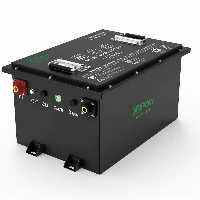
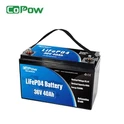
In international trade, the transport of lithium iron phosphate batteries is a strictly regulated process. Although these batteries are known for their high safety, they are still strictly classified as Class 9 dangerous goods under transport regulations.
Relevant regulations from the International Civil Aviation Organization (ICAO), the International Air Transport Association (IATA), and the International Maritime Organization (IMO) will be fully implemented on January 1, 2026.
At that time, the global logistics industry will face stricter requirements regarding state of charge (SoC ≤ 30%) and certified packaging.
Understanding these regulations is not only crucial for avoiding cargo detention but also key to optimizing transportation costs and enhancing supply chain reliability.
Quick Answers:
| Question | Short Answer |
|---|---|
| Can LiFePO4 batteries be shipped by air? | Yes, but under strict dangerous goods (DG) regulations |
| Is 30% SoC mandatory? | Generally required for standalone lithium-ion batteries (UN3480) shipped by air |
| Can lithium batteries go on passenger aircraft? | Most standalone lithium batteries (UN3480) are prohibited on passenger aircraft |
| What documents are required? | UN38.3, MSDS, DG declaration, and compliant shipping labels |

Lifepo4 Battery Shipping Regulations You Need to Know
These regulations are now in effect. So, how exactly should we handle the transport of lithium iron phosphate batteries? What materials do we need to prepare?
And what specific requirements must we follow regarding packaging, labeling, documentation, and procedures? Please read on for more details.
1. Key Requirement: State of Charge (SoC) Limit – Focus of the 2026 Regulations
This is the most significant change, and its purpose is to reduce the risk of fire.
- Air Transport Mandatory Requirement: For air transport, the state of charge (SoC) of lithium-ion batteries (UN3480) being transported as separate items must be kept below 30%. In addition, it is necessary to familiarize yourself in advance with the specific policy requirements of the airline and the carrier.
- Sea Transport Recommendation: In the ocean freight sector, a 30% State of Charge is not a mandatory requirement; however, major shipping lines such as Maersk and COSCO have begun enforcing strict standards, effectively establishing this as an industry practice.
| Shipping Scenario | Is 30% SoC Mandatory? |
|---|---|
| UN3480 Lithium-Ion Batteries Shipped Alone by Air | There is a mandatory requirement |
| UN3481 Batteries Packed With Equipment | This is not a requirement, but many carriers recommend or require it |
| Batteries Installed Inside Devices (Laptops, Phones, etc.) | Not mandatory |
| Passenger-Carried Personal Electronics | No Mandatory 30% SoC Requirement |
| Power Banks Carried by Passengers | Although there is no mandatory 30% rule, some airlines may impose restrictions. |
| Sea Freight Lithium Battery Shipments | For reference only |
| Road Transport (ADR / Domestic DG Transport) | Depends on Local Regulations and Carrier Policies |
Related reading: TSA Issues New Guidelines On Lithium-Ion Batteries 2026
2. Required Testing and Certifications
Regardless of the transport method, LiFePO4 batteries must be accompanied by the following documents:
- UN38.3 Test Report: Demonstrates that the battery has passed rigorous tests, including altitude simulation, high/low temperature cycling, vibration, shock, and external short circuit tests.
- MSDS (Material Safety Data Sheet): Provides information on the battery's composition, hazards, first aid measures, and transport safety guidelines.
* What Drop Height Must Packaging for Standalone Small or Medium Batteries Withstand?
According to the United Nations Regulations on the Transport of Dangerous Goods, individually packaged lithium batteries must be able to withstand the impact of a drop from a height of 1.2 meters onto the ground without sustaining damage, or without any internal components becoming loose or broken.
3. Packaging and Labeling Requirements
UN Packaging Marking: Unless qualifying for specific small-quantity exemptions, batteries must be packed in certified UN-approved packaging.
Short-Circuit Protection: Each cell or battery pack must be individually protected (e.g., in plastic bags or blister packs) to prevent terminal contact and short circuits.
Required Labels:
- Class 9 Hazard Label: Diamond-shaped label with a battery symbol.
- Lithium Battery Handling Label: Displays the UN number (UN3480 or UN3481) and an emergency contact number.
- Cargo Aircraft Only (CAO) Label: Required for independently shipped batteries (UN3480) via air transport, indicating that the battery is prohibited on passenger aircraft.
4. Specific Differences in Transport Methods for 2026
| Transport Method | Key Restrictions | Notes |
|---|---|---|
| Air | Standalone lithium-ion batteries (UN3480) are generally limited to ≤30% SoC; prohibited on passenger aircraft; UN-certified packaging required | Most stringent regulations and highest shipping cost |
| Sea | Subject to IMDG Code requirements, including segregation and stacking rules for large battery systems | Most cost-effective option for bulk shipments and energy storage systems |
| Road | Must comply with regional dangerous goods transport regulations such as ADR (Europe) or applicable national standards | More flexible than air transport, but robust packaging and labeling are still required |
5. Special Cases: Damaged or End-of-Life Batteries
- Damaged Batteries: Strictly prohibited for air transport. Sea and road shipments require special packaging (e.g., explosion-proof containers) and official approval.
- Batteries Installed in Equipment: For batteries integrated into devices (UN3481, PI 967), the SoC limit is currently advisory rather than mandatory, but the equipment must prevent accidental activation during transport.
⚠️ Risk Warning: Violating transport regulations-such as misreporting the SoC or failing to apply the required hazard labels-may result in cargo seizure, heavy fines, and even criminal liability if a fire is caused.
Certifications and Documents Required for LiFePO4 Battery Shipping
As you can see, shipping LiFePO4 batteries is a highly regulated activity. To ensure your cargo clears customs and can be safely loaded onto aircraft or vessels, you need to prepare at least the three certifications and one safety document, along with the relevant transport declaration paperwork.
Core Safety Test Documents (Essential)
- UN38.3 Test Report: Considered the "passport" for shipping lithium batteries. It demonstrates that the battery has passed eight rigorous tests, including altitude simulation, high/low temperature cycling, vibration, and shock.
- UN38.3 Test Summary: Mandatory since 2020. This is a condensed version of the full test report, allowing logistics personnel to quickly verify compliance at various stages.
Product Chemical Safety Information
MSDS (Material Safety Data Sheet): Lists detailed information about the battery's composition, hazards, first aid measures, and firefighting methods. Note: From 2026 onward, the MSDS must comply with GHS 11th Revision or the latest local standards (e.g., updated EU REACH regulations).
Identification Reports (Time-Sensitive)
Air/Sea Export Transport Condition Identification Report: Issued by third-party organizations recognized by the Civil Aviation Authority or Ministry of Transport (e.g., DGM, Shanghai Institute of Chemical Industry). This report is updated annually and informs carriers whether the cargo can be treated as general cargo or must be handled as hazardous goods.
Packaging-Related Certificates
- "Certification of Compliance for Outbound Dangerous Goods Packaging" (commonly called the Dangerous Goods Packaging Certificate): Confirms that the UN-approved packaging you use adequately protects the internal batteries and meets the strength requirements for hazardous goods transport.
- 1.2-Meter Drop Test Report: Required for small-package exemptions, this report verifies the integrity and robustness of the packaging.
Transport Declaration Documents
Depending on the mode of transport, the following declaration forms must also be completed:
| Transport Method | Key Documents | Notes |
|---|---|---|
| Air | Dangerous Goods Declaration (DGD) | Must include UN3480/3481 numbers and declare SoC ≤ 30% |
| Sea | Marine Dangerous Goods Declaration | Must comply with IMDG Code (42-24 edition) requirements |
| General | Air Waybill (AWB) / Bill of Lading (BL) | Must indicate the correct shipping name and hazard class (Class 9) |
💡 Important Reminder:
Starting January 1, 2026, all LiFePO4 batteries shipped by air-including those packed with equipment (UN3481)-must strictly comply with the 30% state of charge (SoC) limit.
When preparing the shipment, it is recommended to include a SoC Compliance Statement with the cargo to avoid shipment rejection during airport security checks.
Lifepo4 Battery Packaging Requirements for Safe Transport
Some LiFePO4 battery manufacturers, such as Copow Battery, place great emphasis on robust and secure packaging, primarily to prevent short circuits, avoid accidental activation, and protect the batteries from external damage.
According to the latest IATA (air transport) and IMDG (sea transport) regulations, which come into full effect on January 1, 2026, battery packaging must meet the following requirements:
Inner Packaging
- Fully Enclosed: Each cell or battery pack must be placed in a completely sealed inner package (e.g., anti-static plastic bag, blister pack, or cardboard box).
- Insulation Protection: All exposed terminals must be covered (e.g., with insulating tape) to ensure that batteries do not contact each other inside the package, preventing short circuits.
- Secure Fixation: Batteries must be properly secured within the inner packaging to prevent movement or displacement due to shaking or tipping.
Outer Packaging
- UN-Certified Boxes: For most high-capacity batteries (UN3480), UN-approved boxes must be used (typically 4G fiberboard boxes), with the UN certification code printed on the package (e.g., 4G/Y30/…).
- Durability: The packaging must withstand a 1.2-meter drop test. When dropped from 1.2 meters in any direction, the package should remain intact, the contents should not shift, and safety must not be compromised.
Weight Limitations:
- Air Transport: Passenger aircraft typically prohibit independent batteries; for cargo aircraft (CAO), the net weight per package usually must not exceed 35 kg.
- Sea Transport: Requirements are more flexible but must comply with IMDG stacking and segregation rules.
New Special Requirements for 2026
- SoC Labeling: In addition to compliant packaging, the state of charge (SoC) must be kept below 30%. For air transport, it is recommended to attach a "SoC ≤ 30%" compliance statement in a prominent position or include it with the shipment.
- No Mixed Cargo: It is strictly prohibited to pack flammable, explosive, or corrosive hazardous materials together with the batteries.
Required Labels
Each package must have the following labels clearly displayed on the surface (not folded or overlapping):
- Lithium Battery Mark: Must indicate the UN number (UN3480 or UN3481).
- Class 9 Hazard Label: Diamond-shaped label specifically for lithium batteries.
- Cargo Aircraft Only (CAO) Label: Required only for independently shipped UN3480 batteries by air.
- Orientation Label: Shows "This Side Up" arrows (for packages containing liquids or components with specific orientation requirements).
💡 Quick Check Recommendations:
- Small Batteries (<100Wh): May use "limited quantity" simplified packaging under Section II exemptions, but must still pass the 1.2-meter drop test and be properly labeled.
- Large Batteries (>100Wh): Must follow the full hazardous goods declaration process and use standard UN-approved boxes.
Lifepo4 Battery Shipping Methods and Cost Factors
The shipping methods and costs of LiFePO4 batteries are influenced by battery specifications, destination, and the new regulations effective from 2026.
Comparison of Transport Methods
| Transport Method | Applicable Scenarios | Transit Time | Cost Level | Notes |
|---|---|---|---|---|
| Air | Urgent orders, high-value cells, small sample shipments | 3–7 days | Very high | Mandatory 30% SoC from 2026; independent batteries prohibited on passenger aircraft |
| Sea | Bulk energy storage batteries, power battery packs, FCL/LCL shipments | 20–45 days | Lowest | Most cost-effective, but must strictly follow hazardous goods stacking requirements |
| International Express | Small battery samples (e.g., <100Wh) | 5–8 days | High | DHL/FedEx/UPS apply special lithium battery surcharges and access restrictions |
| China-Europe Rail | Large energy storage systems between China and Europe | 15–20 days | Medium | Faster than sea freight, cheaper than air freight, but regulations vary across countries along the route |
Core Cost Factors
Shipping LiFePO4 batteries is more expensive than ordinary cargo primarily due to their hazardous goods (DG) classification:
1. DG Surcharge: Shipping lines or airlines charge an additional $50–$200 for hazardous goods handling.
2. Certification and Documentation Fees:
- UN38.3 Test Report: Mandatory; if arranged through a service provider, the cost can range in the thousands of RMB.
- Dangerous Goods Packaging Certificate (UN Specification Packaging): Special UN-approved boxes and hazardous goods certification (e.g., DGM) add to the cost per shipment.
3. Packaging Material Costs: Lithium batteries require shockproof, heat-insulated packaging with insulated terminals. Using explosion-proof bags or high-spec fiberboard boxes is significantly more expensive than ordinary cartons.
4. State of Charge (SoC) Management Costs: Under the 2026 regulations, air shipments must be discharged to below 30% SoC. The additional discharge process and SoC verification at the factory incur labor and time costs.
5. Destination Customs & Duties: HS Code is typically 8507.60. Duties vary by country (e.g., U.S. battery tariffs on imports from China may fluctuate in 2026).
6. Insurance Fees: Due to the thermal runaway risk of lithium batteries, insurance rates are usually 0.3%–1% higher than for ordinary cargo.
How to Optimize LiFePO4 Battery Shipping Costs?
- Prioritize Full Container Loads (FCL) for Sea Freight: Whenever possible, ship in full containers to significantly reduce the cost per kilogram compared with Less-than-Container Load (LCL) shipments.
- Ship Batteries Installed in Equipment: If feasible, transport batteries installed within devices (UN3481). This method usually has less stringent packaging and regulatory requirements than independently shipped batteries (UN3480), helping to reduce operational costs.
- Work with Long-Term Specialized Freight Forwarders: Choose freight forwarders experienced in lithium battery logistics, as they often have dedicated hazardous goods slots and lower declaration fees, effectively reducing overall shipping expenses.
⭐If you want to estimate shipping costs for a specific route or choose the most cost-effective HS Code for your product, you can contact Copow's senior export managers. They have over 10 years of experience in lithium battery exports and handle business across multiple countries and regions worldwide, providing professional and efficient export solutions.
Common Challenges in International LiFePO4 Battery Shipping
In the international shipping of LiFePO4 batteries, the main challenges stem from their hazardous goods classification and the constantly evolving global regulations.
Especially in 2026, you may face the following five key challenges.
1. Extremely Strict SoC (State of Charge) Limits
Regulatory Challenge: Starting January 1, 2026, IATA air transport regulations require that all independently shipped batteries or batteries packed with equipment must have their SoC strictly maintained at 30% or below.
Pain Point: Many factories typically store batteries at full charge after factory testing. Discharging them to 30% adds extra time and labor costs. Additionally, if the SoC is too low, batteries may experience over-discharge during long sea transport, potentially reducing battery lifespan.
2. Shipping Cost Fluctuations and Hazardous Goods Surcharges
Cost Pressure: Lithium batteries cannot be shipped via ordinary cargo channels and require expensive hazardous goods surcharges (DG Surcharge).
Space Constraints: Many passenger aircraft prohibit independent lithium batteries (UN3480), limiting shipments to cargo-only planes (CAO). This leads to scarce capacity and volatile pricing, especially during peak e-commerce seasons.
3. Complex Documentation Approval and Compliance Checks
Report Validity: UN38.3 reports, MSDS, and Dangerous Goods Packaging Certificates are all mandatory. Customs and carriers are increasingly strict, and even minor mismatches in addresses or model numbers can result in the entire shipment being detained or returned.
New Battery Types: In 2026, new battery types such as Sodium-ion batteries are also regulated. Confusion between different battery types may cause misclassification (e.g., UN3556 for lithium-ion vehicle batteries).
4. Carbon Footprint Labeling and Environmental Compliance (Especially in the EU)
Green Barrier: Starting 2026, the EU Battery Regulation requires power batteries entering the market to have carbon footprint labels.
Challenge: Shipping is no longer just "getting the goods delivered"; it now requires full traceability of raw materials and carbon emission data during production, otherwise the shipment may be denied clearance.
5. Stacking and Segregation Requirements in Sea Transport
Fire Safety: With shipping companies increasingly concerned about lithium battery fire risks, the IMDG Code (Revision 42-24) strengthens stacking and segregation requirements. Batteries may need to be kept away from heat sources and living areas, or even stored on deck for emergency handling.
Risk: In extreme weather, if packaging is damaged, LiFePO4 batteries are more stable than NMC (ternary) batteries, but still pose a smoke or fire risk. Shipping lines may temporarily ban specific brands at any time.
💡 Suggested Measures:
- Plan Ahead: Booking for hazardous goods usually needs to be made 7–14 days earlier than regular cargo.
- Strict Quality Checks: Verify the SoC levels before packaging and take photos as evidence in case of airline inspections.
Are you currently experiencing specific shipping delays or issues with document approval? Copow can help analyze the exact causes for you.
Lifepo4 Battery Delivery Time for International Shipping
The international transit time for LiFePO4 batteries mainly depends on the chosen transport method, customs clearance efficiency, and the additional operational procedures introduced by the 2026 regulations.
Transit Times by Transport Method (Door-to-Door)
| Transport Method | Estimated Transit Time | Applicable Scenarios |
|---|---|---|
| Air Express | 5–10 days | Samples or small batches (must follow DG channels, e.g., FedEx/UPS hazardous shipments) |
| Air Freight | 7–14 days | Bulk urgent shipments, allow 2–3 days for hazardous goods warehouse handover |
| China-Europe Rail | 20–30 days | Cost-effective option for shipments from China to Europe |
| Sea Freight | 30–50 days | Large-scale energy storage or power batteries; transit times vary due to port congestion and shipping routes |
Where the Time Costs Are Mainly Spent?
- Booking and Documentation (2–4 days): Hazardous goods shipments require advance submission of MSDS, UN38.3 reports, and Dangerous Goods Packaging Certificates for airline or shipping line approval, unlike regular cargo which can be shipped immediately.
- Customs Clearance (1–3 days): Clearance speed varies by country. For example, the U.S. and EU may conduct additional checks for new 2026 carbon footprint or battery access regulations.
- Inland Transportation (3–7 days): After batteries arrive at the destination port, as Class 9 hazardous goods, some last-mile delivery trucks must have DG transport certification, which can lead to longer waiting times.
LiFePO4 Battery Lead Time: From Manufacturer to Delivery (Copow Battery Example)
From the moment you place an order with the manufacturer to the final delivery of LiFePO4 batteries, the process typically goes through four stages: production, safety testing, customs and shipping, and last-mile delivery.
Using the well-known industry brand CoPow Battery (Huanduy) as an example, the approximate lead times are as follows:
Overall Lead Time Estimate
Depending on the order type and shipping method, the total lead time usually ranges from 15 to 50 days:
- In-stock Products: Approximately 15–25 days (mainly shipping time).
- Regular Orders (requiring production): Approximately 30–45 days.
- Customized Orders (appearance or BMS customization): Approximately 45–60 days.
Detailed Breakdown of the Delivery Process
Stage 1: Production & Assembly (7–15 Days)
CoPow operates automated production lines with a monthly capacity of approximately 10 MWh.
- Cell Sorting: Ensures consistency of A-grade cells.
- Assembly & Testing: Install the BMS (Battery Management System), weld harnesses, and assemble the battery casing.
- Aging Test: Each battery pack undergoes full charge-discharge cycles before leaving the factory to ensure performance standards are met.
related article: What is LiFePO4 Battery Management System?
Stage 2: Certification & Documentation (3–5 Days)
This is the most critical phase for battery shipping.
- Document Preparation: Prepare UN38.3, MSDS, Dangerous Goods Packaging Certificate, and sea/air transport certification.
- SoC Adjustment: In accordance with the 2026 regulations, discharge batteries to below 30% SoC to meet safe transport requirements.
Stage 3: International Shipping (7–40 Days)
- Sea Freight: 30–45 days (e.g., China to Europe or the U.S.). This is the most common method for bulk orders, offering low cost but longer transit time.
- Rail (China-Europe): 15–25 days.
- Air Freight: 7–10 days. Typically used for small batches or urgent samples.
Stage 4: Customs Clearance & Last-Mile Delivery (3–7 Days)
Once the shipment arrives at the port, it goes through customs clearance, then is delivered to your address via UPS/FedEx or specialized truck services.
Which Class 9 Batteries Must Meet Specific Criteria for Handling and Transport?
Class 9 Battery Handling and Transport Criteria
| Battery Type | UN Number | Application | Core Transport Criteria / Restrictions |
| Lithium Ion Batteries | UN3480 | Cell phones, laptops, power banks, EV battery packs (shipped alone) |
1. Must pass all 8 UN38.3 safety tests.
2. For air transport, State of Charge (SoC) must not exceed 30%.
3. Packaging must prevent short circuits and bear "Class 9" labels. |
| Lithium Metal Batteries | UN3090 | Button cells, medical device batteries, military primary batteries (non-rechargeable) |
1. Lithium content limits:
2. Prohibited from being mixed with flammables; mostly banned on passenger aircraft. |
| Batteries Contained in Equipment | UN3481 / UN3091 | Laptops with built-in batteries, power tools, medical instruments |
1. Batteries must be secured within the equipment or packaged with it to prevent movement.
2. Must be protected against accidental activation (e.g., using insulation tabs). |
| Sodium Ion Batteries | UN3551 / UN3552 | Newer energy storage/power batteries (covered under 2025+ regulations) |
1. Must undergo performance and drop tests similar to lithium batteries.
2. Must be marked with specific UN numbers and meet specific Packing Instructions (PI). |
| Nickel-Metal Hydride (NiMH) | UN3496 | Hybrid vehicle batteries, rechargeable AA/AAA (Sea transport only) |
1. Only regulated as Class 9 for sea transport exceeding 100kg.
2. Must be protected against short circuits and accidental heat generation. |
 per cell,
  per battery (stricter rules if exceeded).
⭐Conclusion: Strategies to Reduce LiFePO4 Battery Shipping Costs and Risks
In summary, the key to reducing LiFePO4 battery shipping risks and costs lies in proactive compliance and strategic logistics decisions. Under the stricter regulatory environment of 2026, companies must shift from simply "placing logistics orders" to comprehensive, fine-tuned supply chain management.
1. Risk Prevention Strategy: Eliminate Hazards at the Source
- Strict 30% SoC Enforcement: Whether by air or sea, maintaining the battery's SoC below 30% is the most effective way to reduce thermal runaway risk and avoid customs penalties.
- Standardized Packaging: Move away from temporary packaging and use UN-certified 4G/4GV packaging boxes, ensuring that inner packaging is fully insulated.
- Transparent Documentation: Ensure that each batch includes the latest UN38.3 test summary and MSDS compliant with GHS 11th Edition. In 2026, even minor errors in documentation could result in the entire shipment being held.
2. Cost Optimization Strategy: Improve Logistics Cost-Effectiveness
Tiered Shipping Modes:
- Regular Replenishment: Prefer full container sea freight (FCL) for the lowest per-kilogram cost.
- Urgent Supplies: Use China-Europe rail as an alternative to air freight; transit times are acceptable, and costs are roughly one-third of air freight.
- Sample Shipments: Consolidate multiple sample orders into a single air shipment to reduce repeated hazardous goods surcharges.
Compliance-Oriented Product Design: Whenever possible, ship batteries as UN3481 (installed in equipment), which generally offers advantages over independently shipped batteries (UN3480) in terms of insurance rates and packaging requirements.
Customs & Tariff Planning: Pre-audit HS codes in advance to comply with the EU Battery Regulation (carbon footprint) and the latest U.S. tariff policies, avoiding unexpected port fees or fines.
3. Management & Collaboration: Choose Professional Partners
- Verify Supplier Qualifications: Working with LFP battery manufacturers like CoPow (Huanduy), which have full export certifications and mature BMS technical support, can significantly reduce hidden costs from after-sales risks.
- Secure DG Shipping Capacity: Establish long-term partnerships with first-tier freight forwarders qualified to handle Dangerous Goods (DG), ensuring more stable seasonal rates and guaranteed cargo space.
FAQ
How to Manage Lithium Battery Fire Risks During Storage and Transport?
Preventing lithium batteries from catching fire during storage and transport requires careful attention to three key areas: storage environment, packaging protection, and emergency monitoring.
Batteries must be kept in a cool, dry place, away from direct sunlight or heat-generating equipment, as high temperatures can easily trigger internal runaway reactions. To prevent a potential fire from spreading, it's best to isolate batteries using fire-resistant barriers or dedicated fireproof cabinets.
During transport, packaging must be sturdy, using shock- and crush-resistant outer boxes. Each battery's terminals should be insulated with tape or individually bagged to prevent short circuits caused by vibration.
Another important detail is to store or transport batteries at around 30–50% state of charge, which is the most stable condition.
Finally, the site should be equipped with proper fire-fighting equipment and water sources, along with sensitive smoke detectors, to ensure any smoke or early signs of fire can be detected and addressed promptly, minimizing potential damage.
What Is the Air Freight Lead Time for Lithium Batteries (Dangerous Goods) from Europe to the USA?
Yes, different battery chemistries exhibit variations in their health status over the long term, primarily in terms of degradation rate, stability, and service life.
For example, LiFePO4 batteries degrade more slowly, have a longer cycle life, and maintain their capacity more stably over time; ternary lithium batteries have a higher energy density but degrade more rapidly under high-temperature or high-cycle conditions; whereas lead-acid batteries degrade the fastest, have a short cycle life, and experience a rapid decline in capacity.
How Do We Manage Lithium Battery Fire Risks in Storage and Transport?
To manage fire risks associated with lithium-ion batteries during storage and transportation, a three-pronged approach is required: prevention at the source, process control, and emergency isolation.
First, ensure that batteries comply with transportation testing requirements such as UN 38.3 and undergo rigorous quality screening to avoid the use of damaged or unidentified batteries.
During storage, control the ambient temperature, maintain a dry and well-ventilated environment, and avoid direct sunlight and heat sources. Batteries should be maintained at a moderate state of charge and stored in separate zones by type and batch, avoiding excessive stacking.
During transportation, compliant UN-certified packaging must be used, with proper terminal insulation, short-circuit prevention, and shock-absorption measures in place, and hazardous materials must be labeled and declared in accordance with regulations.
At the system level, a Battery Management System can monitor battery temperature and voltage, providing early warnings in the event of abnormalities.
Additionally, warehousing and logistics facilities should be equipped with smoke or gas detectors, as well as automatic sprinkler or fire suppression systems (such as water-based or aerosol systems), and designated isolation zones should be established.
If any battery abnormalities are detected (such as overheating, swelling, or unusual odors), the affected batteries should be immediately isolated and handled appropriately.