In Florida's hot and high-humidity climate, golf cart batteries typically have a shorter lifespan than in more temperate regions. However, with proper usage habits and regular maintenance, they can still achieve a relatively long and satisfactory service life.

1. Core Lifespan Ranges by Battery Type
Lead-acid batteries (including flooded lead-acid variants)
With regular maintenance, their lifespan ranges from 3 to 6 years. Florida's prolonged summer heat accelerates electrolyte evaporation and sulfation, reducing battery life by approximately 20% compared to temperate regions.
Lithium-ion batteries (such as LiFePO4 types)
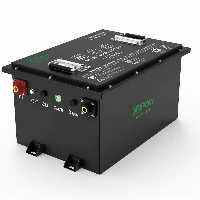
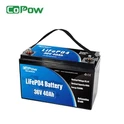
They boast a notably longer lifespan of 8 to 12 years. Equipped with a built-in Battery Management System (BMS), these batteries effectively prevent overcharging and over-discharging, and they exhibit better tolerance to high temperatures than lead-acid batteries.
| Battery Type | Typical Lifespan | Florida Impact | Key Features |
|---|---|---|---|
| Lead-Acid (including Flooded) | 3–6 years | ~20% shorter due to heat and sulfation | Requires regular maintenance; sensitive to high temperatures |
| Lithium-Ion (LiFePO₄) | 8–12 years | Less affected by heat | Built-in BMS prevents overcharge/discharge; better heat tolerance |
related article
How Long Does Golf Cart Battery Last? 2025
2. Key Factors Affecting Lifespan
High-temperature environmental impact
Summer temperatures in Florida often exceed 35°C, which speeds up water loss and internal corrosion in lead-acid batteries, resulting in a 30%–60% drop in performance. Although lithium-ion batteries also experience capacity degradation under extreme heat, the impact is much less severe.
Charging and discharging habits
Frequent deep discharging (below 50% of capacity) or prolonged storage in an undercharged state can cause irreversible sulfation in lead-acid batteries. While lithium-ion batteries support partial charging, it is essential to use voltage-compatible chargers to prevent damage.
Maintenance frequency
Lead-acid batteries require regular topping-up with distilled water and terminal cleaning. Golf courses in Florida have found that cleaning battery terminals every two weeks can extend battery life by 20%. Lithium-ion batteries have lower maintenance requirements but still need periodic checks for voltage balance.
related article
What Shortens Golf Cart Battery Life?
3. Practical Tips to Extend Lifespan
Implement cooling protection
Park golf carts in shaded, well-ventilated areas as much as possible to avoid direct sunlight. For long-term outdoor storage, use breathable cart covers to minimize battery exposure to high temperatures.
Adopt standardized charging practices
Use temperature-compensated chargers that automatically adjust voltage based on ambient temperature to prevent overcharging in high heat. Store lead-acid batteries in a fully charged state, while lithium-ion batteries are best stored at 50% capacity.
Conduct regular maintenance inspections
Check the water level of lead-acid batteries monthly and add only distilled water to keep it above the plates. Clean corrosion from battery terminals monthly to ensure secure connections. Perform a professional performance test annually.
related article
How To Maintain Golf Cart Batteries?
conclusion
In Florida's hot and humid climate, lead-acid batteries tend to have a limited lifespan, while lithium-ion batteries demonstrate superior durability and long-term reliability.
By implementing proper cooling and sun protection, following standardized charging practices, and performing regular maintenance, battery service life can be significantly extended.
Copow Battery's LiFePO4 golf cart batteries not only offer long cycle life and high energy efficiency in a lightweight design, but also feature a built-in intelligent Battery Management System (BMS) for multiple safety protections. They are the ideal choice for handling Florida's extreme heat, keeping your golf cart performing at its best.