As the global transition toward marine electrification continues to accelerate, an increasing number of shipbuilders, system integrators, and new energy project developers are focusing on the advancement of marine lithium battery technology.
Driven by stricter environmental regulations, rising carbon-reduction requirements for ports, and the rapid growth of new energy vessels, marine lithium batteries are gradually replacing traditional lead-acid batteries and certain fuel-based power systems, becoming one of the key technologies shaping the future of marine energy solutions.
At the same time, China is steadily emerging as an increasingly important force within the global marine battery supply chain.
In recent years, Chinese lithium battery companies such as CATL, BYD, EVE Energy, REPT BATTERO, and CoPow have played an increasingly active role in advancing ship electrification, marine energy storage systems, and port new energy infrastructure.
Each company has developed its own technological direction, product positioning, and target market focus. Some specialize in large commercial vessels and high-voltage marine energy storage platforms, while others are more focused on small and medium-sized vessels, electric yachts, and customized marine battery solutions.
This article introduces several of the most representative marine lithium battery manufacturers currently active in China's market and explores their technological strengths, project focus areas, product characteristics, and market positioning within the marine electrification sector.
Through this overview, readers can gain a more comprehensive understanding of the current landscape and future development trends of China's marine lithium battery industry.
CoPow Battery
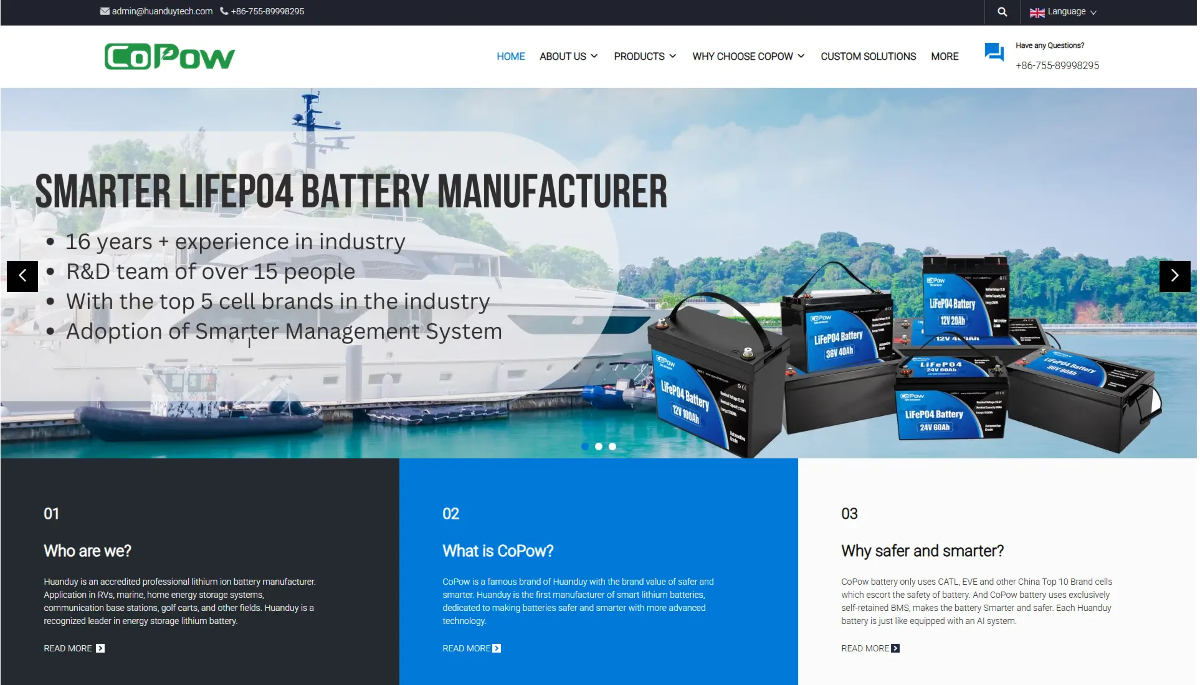
If you are looking for a reliable Chinese manufacturer of marine lithium battery systems, CoPow Battery is a company worth considering.
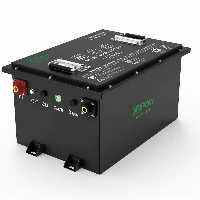
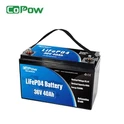
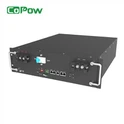
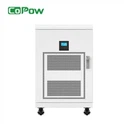
CoPow specializes in the R&D and manufacturing of LiFePO4 battery systems and has accumulated extensive experience across multiple sectors, including marine applications, RVs, golf carts, forklifts, and energy storage systems. In particular, the company has steadily built strong expertise in the marine battery sector, developing mature product solutions and comprehensive project support capabilities.
Unlike many manufacturers that only provide standardized battery products, CoPow positions itself as a system integration company. In addition to supplying marine lithium batteries, the company offers deep customization services tailored to different vessel applications, including battery system design, intelligent Battery Management Systems, communication protocol integration, structural customization, and complete onboard energy solutions.
This level of flexibility is especially important for yachts, electric boats, fishing vessels, trolling motor boats, and other new-energy marine projects, where installation space, waterproof performance, operating temperature range, vibration resistance, and continuous discharge capability often vary significantly from one application to another.
In terms of product quality, CoPow primarily uses high-quality A-grade LiFePO4 cells combined with intelligent BMS technology to enhance both safety and reliability in marine environments. The systems support multiple communication protocols, including Bluetooth, CAN, and RS485, enabling real-time battery monitoring, status diagnostics, and remote management capabilities.
Marine environments place extremely demanding requirements on battery systems, and CoPow's product design places strong emphasis on durability and environmental adaptability. Its marine battery systems are designed with enhanced waterproofing, salt spray resistance, and vibration protection, supporting IP67 or even higher protection ratings. These features allow the batteries to operate reliably in coastal, high-humidity, high-salinity, and high-temperature environments over extended periods of use.
As global marine electrification continues to accelerate, more overseas buyers are turning their attention to Chinese marine lithium battery manufacturers. With its mature system integration capabilities, flexible customization solutions, and continuous investment in marine LiFePO4 technology, CoPow is gradually emerging as one of the Chinese marine battery brands gaining increasing recognition in the international market.
CATL
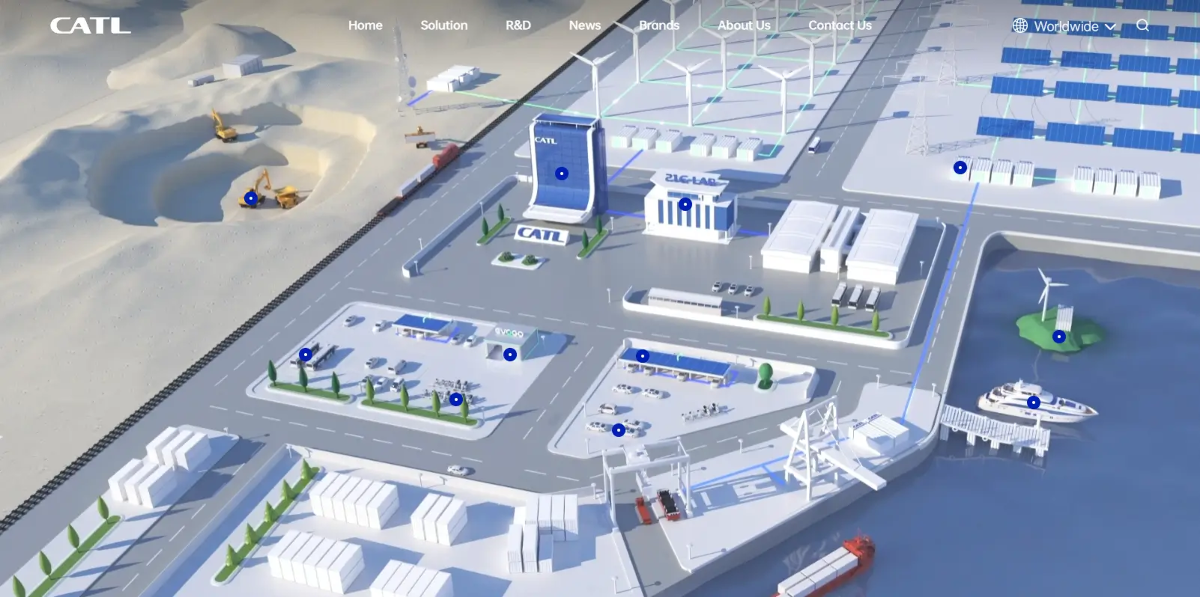
Founded in 2011 and headquartered in Ningde, Fujian Province, China, CATL (Contemporary Amperex Technology Co., Limited) has grown into one of the world's largest lithium-ion battery manufacturers.
Today, CATL is widely recognized as one of China's most influential companies in the fields of marine electrification, renewable marine energy systems, and large-scale energy storage solutions.
The company initially focused on power batteries for new energy vehicles, but over the past several years it has steadily expanded into broader sectors such as energy storage systems, heavy-duty electric trucks, electric vessels, port energy infrastructure, and the broader zero-carbon transportation ecosystem.
Backed by strong R&D capabilities, a highly integrated supply chain, and massive manufacturing capacity, CATL has rapidly become a key player in the global battery industry. The company has also established long-term partnerships with major international automotive brands including Tesla, BMW, Mercedes-Benz, and Volkswagen.
In fact, CATL entered the marine electrification sector relatively early. Around 2017, the company officially expanded into the electric vessel market and established its dedicated marine business division, CAEV (Contemporary Amperex Electric Vessel).
Unlike many manufacturers that only provide standardized marine battery products, CATL offers far more than battery cells alone. Its marine solutions include complete high-voltage battery systems, Battery Management Systems, electric propulsion systems, shore charging infrastructure, and cloud-based energy management platforms.
Today, CATL has developed a comprehensive integrated "ship–shore–cloud" ecosystem for electric marine applications.
One of CATL's biggest advantages in the global electric vessel market is its extensive portfolio of real-world deployment projects, rather than remaining limited to laboratory development or concept-stage technologies. For example, the well-known "Yangtze Three Gorges 1," one of China's landmark all-electric cruise ships, is powered by CATL's marine battery system.
According to publicly available information released by CATL, the company has already supplied battery systems for nearly 900 electric vessels worldwide.
That said, CATL also has certain practical limitations. Despite its strong technical capabilities, it remains a massive industrial corporation, and its business model is naturally more focused on large-scale projects and high-volume customers.
As a result, CATL is generally better suited for large commercial vessels, electric ferries, port electrification projects, and high-voltage marine energy storage systems. For smaller yachts, fishing boats, tugboats, or highly customized marine projects, however, its flexibility may not be as strong as that of specialized marine battery system integrators.
BYD
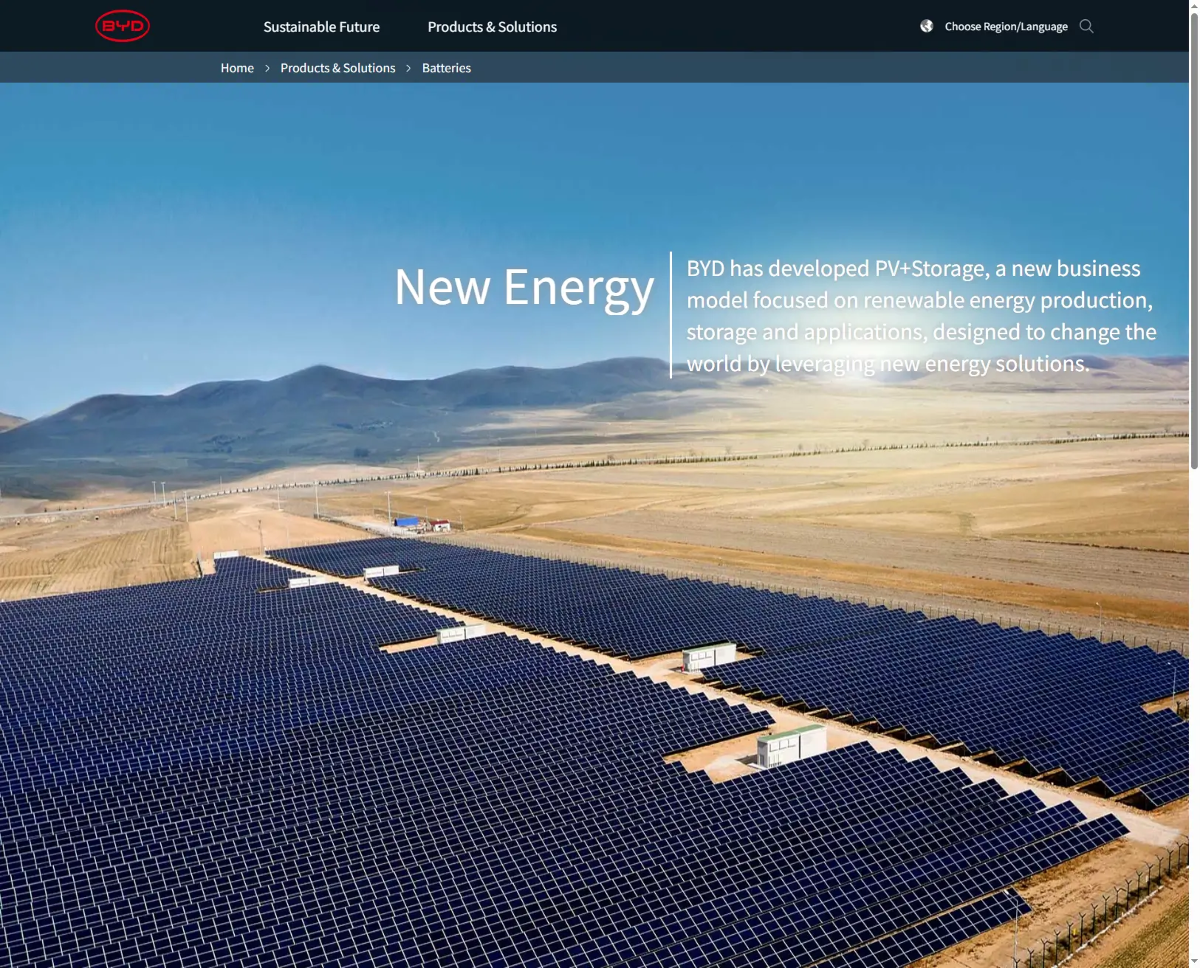
BYD was one of the earliest companies in China to enter the lithium-ion battery industry and has since grown into one of the world's most influential new energy enterprises.
Many overseas customers first became familiar with BYD through its electric vehicles, but in reality, the company's core strength has always been battery technology.
BYD entered the rechargeable battery industry as early as 1995 and later expanded into new energy vehicles, energy storage systems, rail transit, electric buses, and marine electrification. In the marine battery sector, BYD's strategic vision has been far more forward-looking than many people realize.
Rather than simply supplying marine lithium battery products, BYD focuses more on the development of large-scale marine electrification systems, port energy infrastructure, and high-voltage energy storage platforms.
Against the backdrop of global port decarbonization and the rapid growth of electric ferries, hybrid vessels, and electric cargo ships in recent years, BYD has gradually extended its advanced EV battery technologies into the marine sector.
One of BYD's greatest advantages lies in its highly integrated industrial chain.
Many marine battery manufacturers are primarily limited to battery pack assembly, with some relying heavily on third-party suppliers for battery cells, Battery Management Systems, structural components, and thermal management systems. BYD, however, possesses vertically integrated R&D and manufacturing capabilities covering the entire value chain-from upstream raw materials and battery cells to complete battery packs and integrated energy systems.
Its subsidiary, FinDreams Battery, is already recognized as one of the world's leading power battery manufacturers, and BYD's well-known Blade Battery technology was also independently developed in-house.
Another major strength of BYD is that the company does not simply sell battery packs; it provides comprehensive new energy ecosystem solutions. Through years of experience in energy storage systems, electric buses, and port electrification equipment, BYD has accumulated extensive expertise in managing large-scale energy systems-capabilities that are also highly valuable in marine electrification projects.
This is particularly important because large marine energy projects involve far more than simply connecting several low-voltage batteries in parallel.
They typically require sophisticated high-voltage platforms, power conversion systems (PCS), motor control systems, energy management and dispatch systems, as well as highly complex communication and safety logic within the BMS architecture.
As a result, BYD is currently better suited for medium-to-large vessel applications such as electric ferries, port service vessels, electric cargo ships, and large-scale marine energy storage projects, rather than the smaller 12V or 24V recreational boat market.
For projects that require deep customization, small-batch production, non-standard dimensions or structural designs, flexible voltage platform adjustments, or rapid ODM response capabilities, more specialized suppliers such as CoPow may still offer greater flexibility and customization advantages in the marine battery sector.
EVE Energy
Founded in 2001 and headquartered in Huizhou, Guangdong Province, China, EVE Energy has rapidly grown into one of China's most representative and fastest-expanding lithium battery manufacturers.
Although many overseas customers may be more familiar with CATL and BYD, EVE Energy has quietly achieved significant growth in recent years across the fields of power batteries, energy storage systems, and marine electrification. In particular, the company has steadily built a strong reputation in large-scale overseas energy storage projects, high-end power battery applications, and industrial-grade lithium battery systems.
In the marine battery sector, EVE plays an important role both as a core battery cell supplier for large-scale electrification projects and as an energy platform provider.
As global demand continues to rise for low-carbon ports, electric ferries, hybrid vessels, and renewable marine energy systems, EVE's high-capacity lithium iron phosphate (LiFePO4/LFP) cells are increasingly being integrated into marine ESS platforms, electric ferries, hybrid vessels, and other marine energy applications.
EVE primarily focuses on lithium iron phosphate battery technology, which is widely recognized for its safety, long cycle life, and thermal stability-key advantages for demanding marine environments.
One of EVE's greatest strengths is its early strategic focus on the large-capacity energy storage cell market. Today, many marine electrification projects-especially electric ferries, port tugboats, hybrid vessels, and electric workboats-are rapidly evolving toward high-voltage, high-capacity, and long-cycle-life battery architectures. In this area, EVE has already established strong competitiveness with products such as its 280Ah and 306Ah large-format LFP cells.
At the same time, EVE's positioning in the marine industry differs somewhat from companies that specialize in complete marine system integration.
For example, companies such as Corvus Energy, AYK, and EST-Floattech are more focused on fully integrated marine energy storage systems (Marine ESS), while EVE is primarily positioned as a supplier of large-format battery cells and foundational energy platform technology.
As a result, in many marine electrification projects, EVE battery cells are typically integrated by specialized system integrators and combined with marine-grade Battery Management Systems, fire suppression systems, liquid cooling systems, and classification society-certified safety solutions to create complete marine battery systems.
REPT BATTERO
REPT BATTERO is also one of China's fastest-growing lithium-ion battery manufacturers in recent years. In overseas markets-particularly in the sectors of energy storage, electric commercial vehicles, and marine electrification-the company is steadily building a strong industry presence.
Founded in 2017, REPT BATTERO is backed by the globally recognized Tsingshan Group (Aoyama Industries). Compared with many conventional lithium battery manufacturers, one of REPT's greatest strengths lies in its powerful upstream resource integration capabilities, especially in nickel resources, lithium battery materials, and long-term supply chain stability.
As global marine electrification continues to accelerate, REPT has increasingly focused on marine battery solutions and has officially identified the marine sector as one of its key strategic commercial application markets.
REPT primarily adopts the lithium iron phosphate (LiFePO4/LFP) technology route, which is widely valued for its high safety, thermal stability, and long cycle life in demanding industrial and marine environments.
In addition, the company places significant emphasis on its proprietary "Wending" technology platform, a cell structure technology that REPT has been actively promoting in recent years. The core objectives of this technology are to improve space utilization, reduce internal resistance, extend battery cycle life, and further enhance overall system safety and efficiency.
According to publicly available information, REPT's large-format LFP energy storage cells-including 314Ah, 392Ah, and 588Ah models-have already been deployed extensively in large-scale energy storage systems and commercial applications. Some of these products reportedly achieve cycle life performance exceeding 10,000 cycles, while certain ultra-long-life versions are claimed to surpass 12,000 cycles under specific operating conditions.
From the perspective of China's marine battery industry, REPT currently occupies a position somewhere between large-scale battery giants such as CATL and smaller mid-sized system integrators.
Although it has not yet developed into a global marine power platform leader on the scale of CATL, REPT possesses significantly stronger R&D and cell technology capabilities than many conventional battery pack assembly factories.
At the same time, REPT's growing strengths in upstream resource control, high-capacity LFP cell development, and large-scale manufacturing capacity are gradually making it an increasingly important player in the global marine electrification and energy storage markets.
Does CoPow Have Proven Experience in Marine Battery Projects?
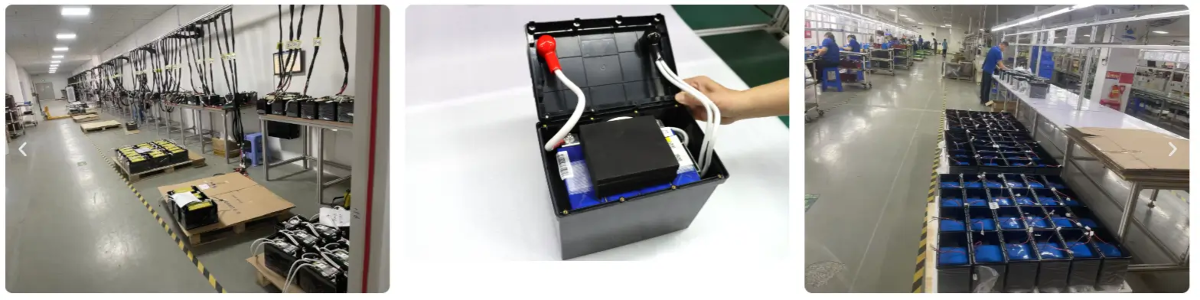
Yes, CoPow has accumulated extensive project experience in the marine lithium battery sector. In particular, the company has developed mature system integration capabilities and strong customization expertise for small and medium-sized electric vessels, fishing boats, yachts, sightseeing boats, patrol boats, and selected commercial marine energy storage applications.
As a marine battery system integrator, CoPow does far more than simply supply battery cells. The company provides complete marine battery solutions tailored to different vessel platforms, including customized voltage configurations, power requirements, installation constraints, charging methods, and operating environments.
From a practical engineering perspective, marine projects differ significantly from conventional land-based energy storage systems or electric vehicle applications. Marine environments involve highly demanding operating conditions, including high humidity, salt spray corrosion, continuous vibration, mechanical shock, elevated ambient temperatures, and prolonged exposure to direct sunlight.
As a result, marine applications place extremely high requirements on battery system structural integrity, waterproof protection, BMS stability, and thermal management performance.
To address these challenges, CoPow adopts design solutions specifically developed for industrial-grade and marine applications, including reinforced metal housing structures, anti-vibration cell mounting designs, IP67/IP68 waterproof protection, salt-spray-resistant surface treatments, corrosion-resistant terminal structures, and advanced high/low-temperature protection logic.
In marine projects, CoPow also places strong emphasis on high-voltage, high-capacity, and modular system design capabilities. This is particularly important because larger vessels and long-range marine applications often require multiple battery systems operating in series and parallel configurations, while also supporting communication with inverters, onboard chargers, solar MPPT controllers, electric propulsion systems, and vessel control platforms.
To ensure compatibility with different marine electrical architectures, CoPow supports communication protocols such as CAN and RS485 and can further customize communication logic to match specific vessel control systems.
CoPow has also developed targeted expertise for high-temperature marine environments. In projects located in regions such as the Middle East and Southeast Asia, customers often place special emphasis on battery stability under prolonged high-temperature exposure, intense sunlight, high humidity, and elevated charging temperatures.
To address these conditions, CoPow utilizes the highly thermally stable LiFePO4 chemistry and further improves system reliability through optimized PACK structural design, advanced BMS temperature protection strategies, and enhanced thermal management solutions.
Does CoPow Support Custom Marine Battery Solutions?
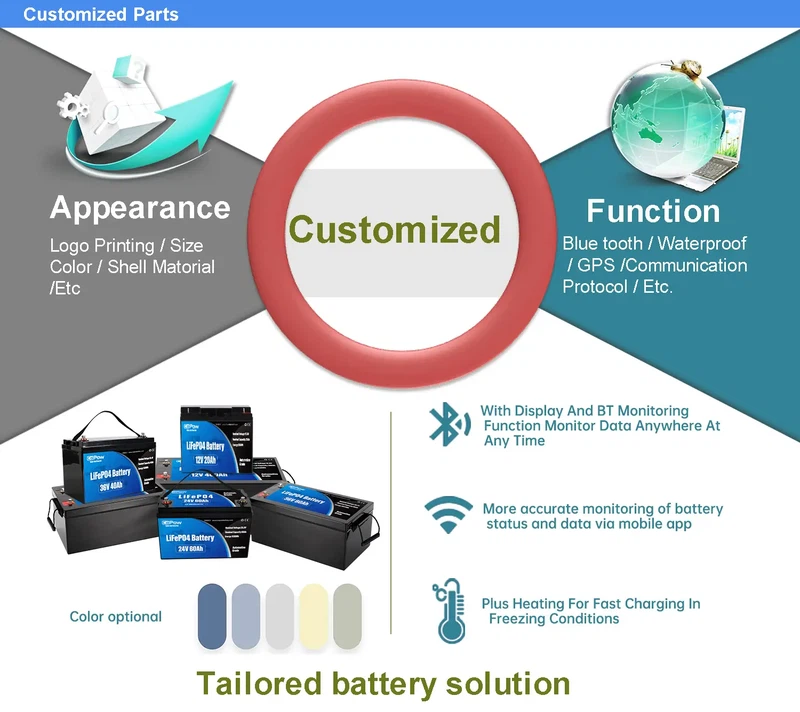
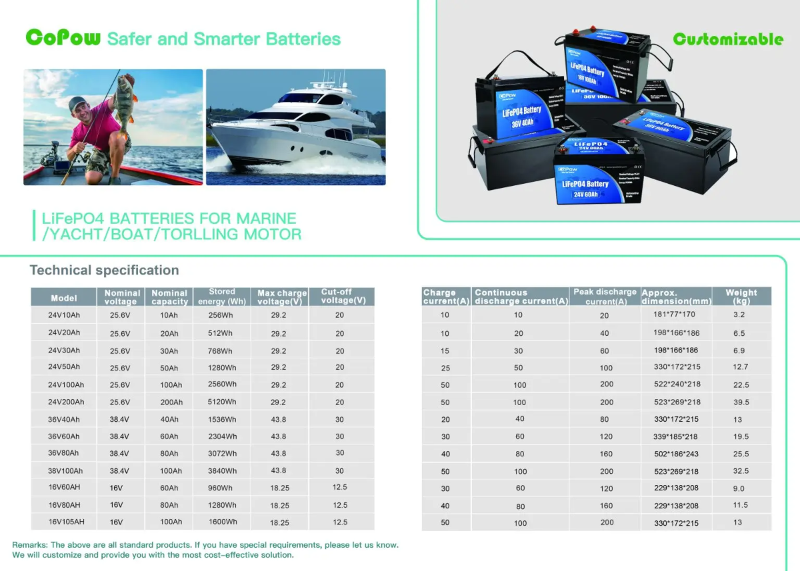
CoPow provides highly customizable marine battery solutions, offering tailored system design and integration services to meet the unique requirements of different vessel types, operating environments, and propulsion platforms.
Common customization options include:
Voltage and Capacity Customization
Supports 12V, 24V, 48V, 72V, and higher-voltage platforms; capacity can be customized based on the vessel's range and power requirements.
Enclosure Size and Structure Customization
The enclosure's size, shape, and mounting structure can be adjusted to meet requirements such as cabin space, installation method, and weight distribution.
IP Rating Customization
Supports IP67/IP68 waterproofing, salt fog resistance, moisture resistance, and shock-resistant design, making it more suitable for use in complex marine environments.
BMS Function Customization
Functions such as CAN, RS485 (Modbus), Bluetooth, mobile app integration, remote monitoring, GPS, and anti-theft features can be customized.
Customized Charging Solutions
Supports standard charging, fast charging, solar MPPT charging, and solutions compatible with shore power systems.
Customized High/Low Temperature Solutions
Heating functions can be added, and heat dissipation designs optimized to adapt to high-temperature waters or low-temperature environments.
Customized Display and Control Systems
Supports LCD displays, SOC (State of Charge) displays, remote data retrieval, and integration with vessel control systems.
Custom Parallel/Series Systems
Supports high-voltage parallel solutions for large-scale energy storage or propulsion systems, suitable for commercial vessels or long-range projects.
Custom Appearance and Branding
Supports logos, colors, labels, packaging, and OEM/ODM services.
How Stable Is CoPow's Marine Battery Supply Chain?
CoPow sources its battery cells from leading Chinese lithium battery manufacturers such as CATL, EVE, REPT, BYD, and Guoxuan, rather than relying on small-scale suppliers with unstable supply chains or surplus inventory cells from the open market.
These tier-one cell manufacturers provide significant advantages in terms of cycle consistency, quality control systems, product reliability, and long-term supply stability.
For marine projects, however, battery safety requirements are considerably more demanding. In this industry, supply chain stability is not only about ensuring product availability-it also depends heavily on maintaining strict batch consistency and long-term performance reliability.
To further reduce potential risks, CoPow conducts additional PACK-level quality control procedures, including cell capacity grading, cell matching, grouping optimization, and aging tests before assembly.
In recent years, the global lithium battery industry has experienced several rounds of supply chain volatility, including sharp fluctuations in lithium carbonate prices, export policy changes, and international logistics disruptions.
Under these conditions, many smaller suppliers have encountered problems such as unstable delivery schedules, last-minute material substitutions, downgraded specifications, or inconsistent long-term supply capability.
By contrast, CoPow has long focused on the B2B and project-based market, where supply chain stability and long-term reliability are critical. As a result, the company adopts a more rigorous and cautious approach to supplier management, material sourcing, and overall supply chain control.
What After-Sales and Technical Support Does CoPow Provide for Marine Projects?
This is because marine lithium battery systems are fundamentally different from standard consumer batteries. Many marine projects are designed for long operational lifespans and are deployed in demanding environments such as overseas ports, islands, lakes, coastal regions, and offshore applications. As a result, CoPow places strong emphasis not only on supplying batteries, but also on providing long-term technical support throughout the entire project lifecycle.
During the early stages of a project, CoPow assists customers in selecting the most suitable system configuration based on factors such as vessel type, propulsion system, motor power, cruising range requirements, charging methods, and available installation space. The company helps determine the appropriate voltage platform, battery capacity configuration, series and parallel architecture, charge/discharge specifications, communication protocols, and compatibility with inverters, onboard chargers, MPPT solar controllers, and propulsion systems.
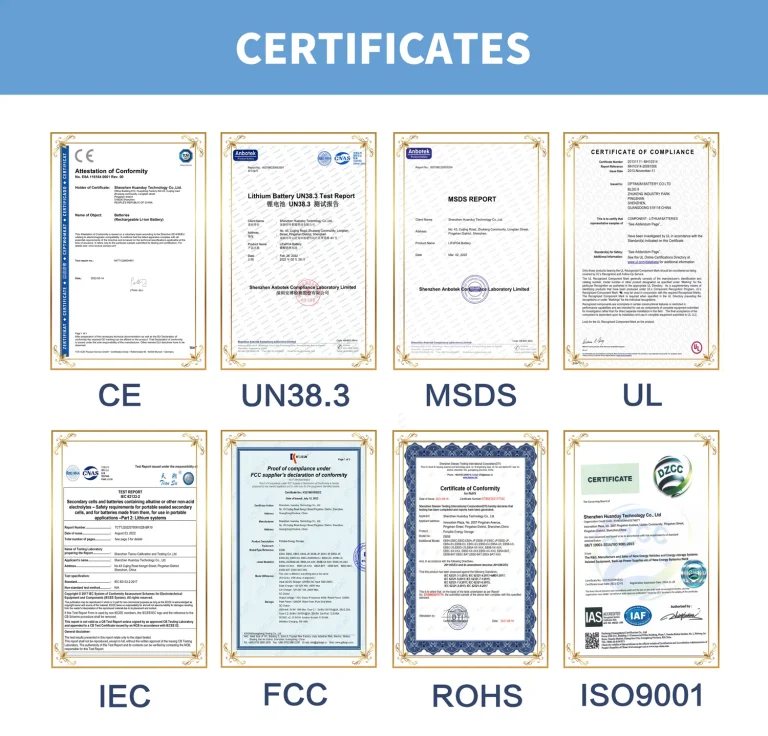
Throughout the production and delivery process, CoPow provides comprehensive testing documentation and quality certification materials, including battery test reports, Battery Management System (BMS) parameters, communication protocol documentation, UN38.3 certification, MSDS documentation, CE certification, and other relevant technical documents. For certain projects, additional engineering documentation and project-specific materials can also be provided based on customer requirements.
For commercial vessel applications, customers often place particularly high importance on product consistency, communication stability, and long-term maintainability. To minimize potential compatibility issues in future operation and maintenance, CoPow confirms communication protocol versions and system configurations in advance during the project development stage.
In terms of after-sales service, CoPow offers remote technical support capabilities specifically designed for overseas marine projects, where on-site maintenance can be time-consuming and expensive. Its BMS supports multiple communication methods, including Bluetooth, mobile app connectivity, CAN, and RS485, while some advanced solutions also support cloud-based monitoring platforms.
Through these systems, technicians can remotely access operational battery data such as voltage, SOC, temperature, cycle count, alarm history, and fault codes, allowing issues to be identified and resolved more efficiently.
If customers encounter abnormal conditions during operation-such as charging failures, communication interruptions, protection triggers, inaccurate SOC readings, or high-temperature alarms-CoPow can assist with troubleshooting through video support, remote diagnostics, parameter verification, and log analysis.
For larger marine projects, CoPow also supports ongoing system optimization and future upgrades. These may include adjusting charge and discharge parameters based on real-world operating conditions, optimizing protection logic, updating BMS firmware, improving SOC algorithms, or integrating additional functional modules.
In terms of spare parts management and long-term maintenance support, CoPow proactively retains project records, BMS parameter versions, communication protocol data, and structural documentation to ensure consistency during future system expansion, battery replacement, maintenance, or repair work.
What Certifications and Compliance Standards Does CoPow Meet for Marine Batteries?
CoPow's Marine Battery products meet the following common certification and compliance standards based on the country, vessel type, and project requirements:
UN38.3
Lithium battery transport safety certification is a fundamental requirement for international air, sea, and land transport.
MSDS
Provides a Material Safety Data Sheet to facilitate international transport, customs clearance, and project registration.
CE Certification
Complies with basic safety and electromagnetic compatibility requirements for the European market.
IEC 62619
Safety standard for industrial and energy storage lithium batteries, which is a key consideration for many commercial energy storage and marine projects.
UL Standards (for select projects)
Certain products can meet relevant UL standards upon customer request, making them suitable for projects in the North American market.
IP67/IP68 Protection Rating
Supports high-grade waterproof and dustproof design, making it more suitable for marine environments with high humidity and high salt fog.
CAN/RS485 Communication Protocol Compatibility
Supports mainstream industrial communication protocols, facilitating integration with ship control systems, inverters, and monitoring systems.
ISO 9001 Quality Management System
Factories typically conduct production and quality control in accordance with the ISO quality management system.
IATF 16949 (for certain production systems)
Certain supply chain and manufacturing processes adhere to automotive-grade quality management standards.
Marine Project-Oriented Compliance
For certain large-scale marine projects, we can provide adaptation or project support services in accordance with the relevant requirements of classification societies such as DNV, ABS, and BV, based on customer needs.
Conclusion
China's marine lithium battery industry is rapidly emerging as an increasingly important force within the global marine new energy supply chain.
From industry giants such as CATL and BYD, which possess the capability to develop large-scale high-voltage marine energy platforms, to companies like EVE Energy and REPT BATTERO that specialize in high-capacity energy storage cells, as well as system integrators such as CoPow that focus on marine lithium battery integration and deeply customized solutions, Chinese manufacturers have gradually established distinct technological strengths and market positions across different sectors of the marine electrification industry.
As global carbon-reduction policies continue to advance, demand for low-carbon ports increases, and the new energy vessel market expands rapidly, the marine lithium battery sector is expected to maintain strong long-term growth momentum.
Looking ahead, Chinese marine lithium battery companies are likely to play an increasingly influential role in the global marine renewable energy market, while continuing to accelerate the transition of the global marine industry toward greener, more efficient, and smarter energy systems.