As winter's chill sets in, electric golf carts face unique challenges posed by cold temperatures, making Electric Golf Cart Winter Maintenance critical to prevent battery freeze, corrosion, and component damage.
Proper winter maintenance isn't just about keeping your cart running-it's about preserving its lifespan, preventing costly repairs, and ensuring it's ready to perform when warmer weather returns.
This guide covers all essential steps to protect your electric golf cart, from battery care to storage solutions, tailored to the needs of 2025 owners. Following these practices will help maintain performance, extend component life, and avoid the frustration of winter-related breakdowns.

how to maintain golf cart batteries in winter?
As winter approaches, the impact of cold temperatures on golf cart batteries is significant-it not only temporarily reduces capacity but can also cause permanent structural damage if improperly maintained. For the Lead-Acid and Lithium Iron Phosphate batteries prevalent in 2026, the maintenance priorities differ. Here is the core guide:
1. For the "Veterans": Lead-Acid Batteries
Lead-acid batteries are highly sensitive to freezing, especially when the charge is low.
- Keep Fully Charged: This is the single most important rule. The electrolyte in a fully charged battery has a very low freezing point, but in a discharged battery, it turns mostly to water, which can freeze, expand, and crack the battery casing.
- Regular Watering: Check distilled water levels before winter storage. Ensure plates are not exposed, but avoid overfilling to prevent overflow during charging.
- Disconnect Power: If the cart will be idle all winter, fully charge it and then disconnect the main negative cable to prevent "parasitic draw" (tiny currents from controllers or clocks) from draining the battery.
2. For the "New Favorites": Lithium Iron Phosphate
Lithium batteries are chemically stable in cold temperatures, but charging them requires extreme caution.
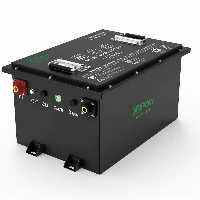
- Strictly No Charging Below Freezing: Charging lithium batteries below 0°C (32°F) can cause "lithium plating," which leads to permanent internal damage. Unless your battery is equipped with a built-in heated BMS, you must move the golf cart to a warmer environment before charging.
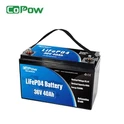
- Optimal Storage Level: Unlike lead-acid batteries, LiFePO4 batteries should not be stored at 100% state of charge for long periods. The ideal storage level is typically between 40% and 60%.
- Power Down: Turn off the battery's physical switch or use the mobile app to activate Sleep Mode, which helps minimize self-discharge during long-term storage.
3. General Maintenance Standards
- Keep Clean and Dry: Winter moisture combined with dirt on battery tops can create a discharge path. Clean terminals with a baking soda solution and apply anti-corrosion grease or protector spray.
- Storage Environment: If possible, park the cart in a garage. If it must stay outdoors, use a breathable cover and ensure battery levels remain at safe thresholds.
- Monthly Checks: It is recommended to check the voltage or the app status every 30 days. Don't wait until spring to realize your batteries have "starved" to death.
how to store electric golf cart for winter?
1. Battery Maintenance (The Core Step)
Storage strategies differ completely depending on your battery type:
- Lead-Acid Batteries: Must be stored fully charged. A discharged lead-acid battery has a higher water content in its electrolyte, making it susceptible to freezing and cracking the casing in low temperatures. It is recommended to top off the charge every 30 days.
- Lithium Batteries: The ideal storage charge is between 40% and 60%. Never store them at 100% for long periods, as this accelerates cell aging. Since lithium batteries have a very low self-discharge rate, simply turn off the main physical switch (or activate "Transport/Sleep Mode" via the mobile app).
2. Environment and Mechanical Protection
Clean and Dry: Thoroughly wash the cart before storage, especially the underbody, to remove grass clippings and mud that cause corrosion. Ensure the body is completely dry before putting on a cover.
- Tire Care: Long-term idling can cause "flat spots" on tires. We recommend inflating tires slightly above the standard PSI or moving the cart slightly every month to change the pressure points. If possible, use jack stands to take the weight off the tires.
- Disengage the Parking Brake: On flat ground, it is advised not to leave the parking brake engaged. Constant tension can cause brake pads to stick or cables to stretch. Use wheel chocks to secure the vehicle instead.
3. System Settings
- Toggle "Tow" Mode: Modern golf carts (such as newer Club Car or E-Z-GO models) usually have a Run/Tow switch. During storage, flip this to the "Tow" position. This disconnects the controller circuitry, preventing parasitic draw from draining the battery.
- Smart Monitoring: If your cart is equipped with a 2026-standard cloud management system, ensure app notifications are active. This allows you to receive alerts on your phone regarding low battery or abnormal temperatures, even if you aren't on-site.
Maintaining Lead-Acid Battery Fluid Levels and Safety Precautions
Lead-acid batteries require regular fluid checks to perform optimally in winter. Check the electrolyte level monthly and top it up only with distilled water-never use tap water, mineral water, or other substitutes that introduce harmful impurities.
Ensure the fluid covers the internal plates but does not exceed the maximum fill line to prevent overflow during charging. Always perform this task in a well-ventilated area, wearing gloves and eye protection to shield against acid exposure. Avoid overfilling, as excess fluid can leak and cause corrosion when temperatures fluctuate. Never check or add fluid immediately after charging, as the battery will be hot and the electrolyte may splash.
Proper Winter Charging and Storage for Electric Golf Cart Batteries
Winter charging practices vary by battery type but share core principles. For lead-acid batteries, fully charge them before storage to prevent sulfation, a common cause of permanent damage. For Lithium Golf Cart Battery Winter Storage, maintain a 40-60% state of charge, as keeping it fully charged for extended periods accelerates battery aging in cold temperatures.
Charge in a temperature-controlled environment above freezing, as charging frozen batteries can cause irreversible harm. If storing for more than two weeks, disconnect the battery or use a smart maintainer to prevent slow drainage. Avoid letting any battery sit at low charge for extended periods, as cold temperatures accelerate capacity loss and freezing risk. For long-term storage, remove the battery if possible and store it in a dry area between 5°C and 20°C.
Should You Leave Your Golf Cart Plugged In All Winter?
Leaving your golf cart plugged in continuously is not recommended for most batteries. Lead-acid batteries can suffer from overcharging if left connected to a standard charger for weeks, leading to electrolyte loss and plate damage. Lithium-ion batteries may experience accelerated aging when stored at full charge for extended periods.
Instead, use a trickle charger or smart maintainer that automatically adjusts power output to keep the battery at optimal charge without overcharging. These devices prevent self-discharge while protecting against overvoltage, making them ideal for winter storage. If no maintainer is available.
If no maintainer is available, charge the battery to full capacity monthly and disconnect it, as this prevents sulfation in lead-acid batteries and degradation in lithium models during Winter Golf Cart Battery Care.
Protecting Golf Cart Battery Cables and Connectors in Winter
Cold temperatures and moisture can damage cables and connectors, so Golf Cart Battery Terminal Corrosion Prevention In Winter begins with proper cable care.
Inspect all cables for cracks, fraying, or insulation damage. Replace any worn cables immediately to avoid short circuits. Tighten loose connections to ensure a secure electrical flow, as loose terminals generate heat and increase corrosion risk.
Clean connectors with a wire brush to remove existing corrosion, then apply a thin layer of terminal protector spray or petroleum jelly to repel moisture. Keep the battery compartment dry and well-ventilated to reduce condensation, which contributes to rust and corrosion. Avoid bending or stressing cables during storage, as brittle insulation is more prone to cracking in cold weather.
Winter Cleaning to Prevent Battery Corrosion
Regular cleaning is key to preventing corrosion, which worsens in winter's damp, cold conditions. Mix baking soda and water to create a mild cleaning solution that neutralizes battery acid. Disconnect the cables (starting with the negative terminal) and scrub terminals, connectors, and the battery top with a soft brush or old toothbrush.
Wipe clean with a lint-free cloth and dry thoroughly before reconnecting-moisture left on components accelerates corrosion. Pay special attention to areas around cable connections and the battery case edges, where dirt and debris accumulate. Reconnect cables in reverse order (positive first) and apply a corrosion inhibitor to all metal surfaces. Extend cleaning to the surrounding battery compartment to remove any spilled electrolyte or debris.
Protecting Electrical Components and Main Switch
Electrical components are particularly vulnerable to winter moisture and cold. Inspect the main switch for signs of wear, sticking, or corrosion. Lubricate it lightly with dielectric grease if it operates stiffly.
Cover electrical connections with weatherproof caps or tape to prevent moisture intrusion. Check wiring harnesses for signs of damage and secure any loose wires to avoid contact with metal parts. Keep the control panel dry and wipe it down regularly to remove dust and condensation. If storing outdoors, use a breathable cover to shield electrical components from snow and rain while allowing ventilation. Avoid powering the cart in freezing rain or heavy snow, as water can seep into electrical systems and cause shorts.
Winter Cleaning and Maintenance for Golf Cart Exteriors
Winter grime, salt, and moisture can damage the golf cart's exterior finish and metal parts. Wash the body with mild soap and water regularly to remove dirt, salt, and debris that accelerate rust. Pay extra attention to the undercarriage and wheel wells, where debris accumulates. Dry the cart thoroughly with a soft towel after washing to prevent water spots and condensation.
Apply a coat of wax or polymer sealant to protect the paint from harsh weather. Inspect the body for cracks, dents, or chipped paint. Touch up damaged areas promptly to prevent rust. Avoid using harsh chemicals or pressure washers, as they can strip paint and damage plastic components. For plastic parts, use a vinyl protectant to prevent cracking and fading in cold temperatures.
Maintaining Regenerative Braking Systems in Cold Weather
Regenerative braking systems require special care to function reliably in winter. Check the system's sensors and wiring for ice buildup or corrosion, as cold weather can impair sensor performance.
Test the braking system regularly to ensure smooth engagement and disengagement. Delayed or unresponsive brakes may indicate a frozen component or electrical issue. Keep brake calipers and rotors clean of dirt and ice, as buildup can affect braking efficiency. Lubricate moving parts of the braking system with a winter-grade lubricant that resists freezing.
If the cart is stored for extended periods, engage the parking brake lightly to prevent components from seizing. Avoid sudden or aggressive braking in icy conditions, as regenerative systems may have reduced effectiveness on slippery surfaces.
Checking and Maintaining Brake Fluid and Transmission Fluid
Even electric golf carts require fluid checks for auxiliary systems. Inspect brake fluid levels monthly and top up with the manufacturer-recommended type if needed.
Check for leaks around the master cylinder and brake lines, as cold temperatures can cause seals to contract and leak. Replace brake fluid if it appears discolored or cloudy, as contaminated fluid reduces braking performance. For carts with transmissions, check the transmission fluid level according to the owner's manual; low fluid can lead to gear damage in cold weather. Use only the specified fluid grade, as winter-grade fluids provide better lubrication in low temperatures. Avoid overfilling fluids, as expansion in cold weather can cause leaks or system damage.
Safe Driving Practices for Golf Carts in Cold Environments
Cold weather and slippery surfaces demand adjusted driving habits. Reduce speed and maintain a safe distance from other vehicles, as braking distances increase on icy or wet terrain. Avoid sudden acceleration, braking, or turns to prevent skidding. Electric motors deliver instant torque, which can cause wheel spin on slippery surfaces.
Clear snow and ice from the windshield, lights, and mirrors before driving to ensure visibility. Test all lights (headlights, tail lights, turn signals) regularly, as shorter winter days increase reliance on lighting. Avoid driving through deep snow or standing water, as this can damage electrical components and the undercarriage. If the cart becomes stuck, avoid revving the motor excessively, which can overheat the battery and drivetrain.
Planning Winter Parking and Storage Areas
Choosing the right storage location is critical for protecting your golf cart in winter. Whenever possible, store the cart indoors in a dry, temperature-controlled garage or shed to shield it from freezing temperatures, snow, and rain. If indoor storage is unavailable, use a high-quality, breathable cover that repels moisture while allowing air circulation-avoid plastic covers that trap condensation. Position the cart on a level surface to prevent fluid pooling and tire flat spots.
Elevate the cart slightly or move it periodically to distribute weight evenly across the tires. Keep the storage area free of corrosive materials, such as fertilizers or de-icing salts, which can damage the cart's finish and components. Ensure the area is well-ventilated if the battery remains connected to prevent gas buildup.
Creating a Comprehensive Cold Weather Maintenance Plan
A structured maintenance schedule ensures no critical tasks are overlooked. Create a monthly checklist including battery charging, fluid checks, and cable inspections.
Perform a deep clean of the entire cart at the start and end of winter to remove corrosion-causing debris. Schedule a pre-winter inspection of brakes, tires, and electrical systems to address issues before cold weather hits.
Mark calendar reminders for battery charging if using a non-automatic maintainer. Check tire pressure monthly-cold temperatures reduce pressure, affecting handling and tire wear. Inspect the cart's suspension and steering components for wear, as winter roads can be rough. Keep a record of all maintenance tasks to track component health and identify recurring issues.
Adjust the plan based on your climate; harsher winters require more frequent checks and additional protection measures.
Conclusion
The core of winter maintenance for electric golf carts lies in "protecting against low temperatures, moisture, and corrosion," with battery care being the consistent key throughout.
From precise control of charging strategies and protection of cables and connectors to body cleaning and parking planning, every link directly impacts the vehicle's winter reliability and service life. By formulating a systematic maintenance plan and flexibly adjusting operational details in line with model-specific requirements, you can effectively avoid common faults caused by low temperatures and ensure the vehicle quickly returns to optimal condition when spring arrives.
Winter maintenance is not a complex project but a necessary habit for long-term vehicle care. Investing a small amount of time and effort can help avoid high repair costs, allowing your electric golf cart to maintain stable performance and accompany you through every season.
If you'd like to learn more about battery maintenance, feel free to contact us.
faq
How often should I charge my electric golf cart battery during winter storage?
Charge the battery at least once a month if you don't use a smart maintainer. Keep lead-acid batteries fully charged to prevent sulfation, and lithium batteries at 40–60% state of charge. Never leave any battery in a low-charge state in cold temperatures, as this raises the risk of freezing and permanent capacity loss.
Can cold temperatures permanently damage my golf cart battery?
Yes. Prolonged exposure to freezing temperatures can cause lead-acid batteries to freeze, resulting in cracked casings and electrolyte leaks. Lithium batteries may suffer permanent capacity loss if charged when cold or stored at 100% for months. Proper charging, corrosion prevention, and controlled storage temperatures are crucial to avoid irreversible damage.
Is it safe to leave my golf cart plugged in all winter?
Not with a standard charger. Continuous plugging can lead to overcharging, electrolyte loss, and premature battery wear. Use a smart maintainer that automatically regulates charging instead. If you don't have one, disconnect the battery and manually charge it monthly to preserve battery health and prevent winter-related degradation.
related article