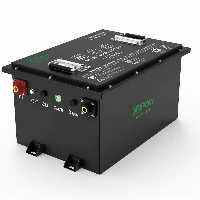
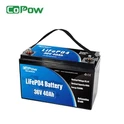
If you've ever wondered whether a golf cart can go faster with a lithium battery, the answer is a definite yes. Upgrading from lead-acid to lithium not only reduces the overall weight of the vehicle but also provides more stable power and stronger performance.
With a properly matched motor and controller, a lithium battery can significantly improve top speed and acceleration, making your golf cart more responsive and enjoyable to drive.
This article explains how lithium batteries boost speed, provides real-world performance comparisons, outlines key prerequisites, and highlights important considerations for a safe and effective upgrade.

How Much Faster a Golf Cart Can Go With a Lithium Upgrade?
If you switch a golf cart to a lithium battery, it usually becomes faster because the cart gets lighter, the power delivery becomes more stable, and the battery outputs stronger performance.
With a well-matched motor and controller, the top speed can increase by about 3–6 mph (5–10 km/h), and the acceleration also improves noticeably.
1. Core Principles of How Lithium Batteries Increase Speed
Lightweight design reduces drivetrain load
Lithium batteries weigh only 30%–50% of an equivalent lead-acid pack.
For example, a 48V 100Ah lithium battery weighs around 25–37 kg, while a lead-acid pack can reach 68–91 kg.
This significant reduction in overall vehicle weight lowers energy consumption and inertia, allowing the golf cart to accelerate faster and achieve a higher top speed.
Stable discharge ensures efficient motor performance
Lithium batteries deliver a much flatter discharge curve. Even when the battery is down to 10%–20%, they can still maintain stable voltage output, keeping the motor running at consistent speed.
In contrast, lead-acid batteries experience noticeable performance drop once the charge falls below 50%, which directly reduces top speed and hill-climbing ability.
High discharge rate supports strong current output
Mainstream lithium chemistries such as LiFePO4 offer continuous discharge rates of 3C or higher, providing a steady supply of high current.
This allows the motor to access full power even under heavy load conditions-especially during rapid acceleration and climbing-resulting in stronger overall performance and higher achievable speed.
Easier voltage upgrades (under compliant conditions)
Lithium battery systems make it simpler to upgrade a golf cart from 36V to 48V.
With proper motor and controller matching, raising the system voltage directly increases motor RPM.
This can boost top speed by 15%–20%.
For example, a typical lead-acid golf cart runs at 19–22 km/h, while a 48V lithium setup can reach close to 32 km/h.
2. Real-World Comparison of Speed and Power Output
| Battery Type | Typical Top Speed | Acceleration (0–32 km/h) | Speed Stability During Battery Life |
|---|---|---|---|
| Lead-Acid | 19–22 km/h | Slow initial acceleration, weak power later | Speed drops significantly when battery < 50% |
| Lithium | 30–32 km/h | Fast acceleration (4–6 seconds), strong power throughout | Speed remains stable until battery reaches 10–20% |
3. Key Prerequisites for Achieving Speed Enhancement
Electrical System Compatibility
The motor and controller must be rated for the lithium battery's voltage and current parameters to avoid damage from overvoltage or overcurrent. Controllers originally designed for lead-acid batteries in older models usually require upgrades to accommodate the stable discharge characteristics of lithium batteries.
Supporting Hardware Upgrades
A lithium-battery-specific charger and a battery pack with a built-in Battery Management System are mandatory to ensure safe charging and operation. In some cases, it may be necessary to upgrade cables and connectors to handle higher current transmission, preventing overheating and power loss.
Compliance with Regulatory Speed Limits
Most regions enforce speed limits of 24–32 km/h for golf carts. Any modifications must strictly adhere to local regulations to avoid violations and safety risks.
4. Additional Notes
Even without upgrading the motor or controller, simply replacing a lead-acid battery with a lithium alternative can still yield a 3–5 km/h speed increase, thanks to weight reduction and stable discharge. For optimal results, simultaneous upgrades to the electrical system are recommended.
While lithium batteries carry a higher upfront cost (a 48V pack typically ranges from $1,500–$3,500), they offer 3–5 times the lifespan of lead-acid batteries (approximately 10 years) with lower long-term maintenance costs, making them a cost-effective choice over time.
Upgrade to COPow Lithium Batteries for Instantly Faster Golf Cart Speed

Conclusion
Upgrading to a lithium battery is one of the most effective ways to enhance a golf cart's speed and overall performance. Even without changing other components, simply switching to lithium can deliver a noticeable speed increase, while full electrical system upgrades allow the golf cart battery to reach its full potential.
Although the initial investment is higher, lithium batteries offer a longer lifespan, stable performance, and lower maintenance costs, making them a cost-effective choice for golf cart owners seeking better speed, efficiency, and driving experience.
related article