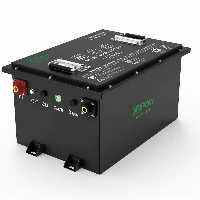
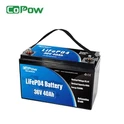
In today's highly competitive marine battery market, the key to a brand standing out lies in the strong support behind it-a trustworthy and truly capable marine battery manufacturer.
So, which global suppliers can offer both excellent products and long-term after-sales service guarantees?
Next, we will introduce ten marine battery manufacturers. From the renowned Corvus Energy to CoPow, which offers deeply customized services for small and medium-sized customers, each brand has its unique strengths to provide valuable insights for your decision-making.

| Brand | Founded | Brand Positioning |
|---|---|---|
| CoPow Battery | 2011 | Custom LiFePO4 marine battery solution provider focused on small and mid-sized boats, OEM/ODM projects, and cost-effective lithium upgrades |
| Corvus Energy | 2009 | High-end commercial marine energy storage system provider for ferries, offshore vessels, and large electric ships |
| CATL | 2011 | Global large-scale lithium battery manufacturer expanding into marine and industrial electrification markets |
| Mastervolt | 1991 | Premium yacht and marine power integration brand specializing in intelligent onboard energy systems |
| Optima Batteries | 1972 | High-performance AGM battery brand focused on marine starting and deep-cycle applications |
| EnerSys | 2000 | Industrial-grade battery manufacturer serving heavy-duty marine, logistics, and backup power sectors |
| Saft | 1918 | High-end advanced battery supplier for naval, aerospace, and specialized marine applications |
| Victron Energy | 1975 | Smart off-grid and marine energy ecosystem provider for yachts, RVs, and hybrid systems |
| Dakota Lithium | 2008 | Lightweight LiFePO4 battery brand targeting fishing boats, trolling motors, and outdoor applications |
| LiTime | 2020 | Budget-friendly lithium battery brand focused on DIY marine and entry-level replacement markets |
Note: The brands above are listed in no particular order. Each brand focuses on different segments of the marine battery market, ranging from commercial marine ESS and luxury yachts to small fishing boats and cost-effective lithium upgrades.
1. Copow – Cost-Effective Lithium Marine Battery Manufacturer
Let's start with a quick overview of CoPow. Later on, we'll explore its strengths in customization, certifications, manufacturing, and supply chain management in more detail.

Founded in 2011 and headquartered in Shenzhen, China, CoPow is an experienced manufacturer of lithium iron phosphate batteries, with marine batteries being one of its primary application areas.
To meet the diverse needs of marine applications, CoPow offers a variety of voltage platforms and capacity solutions, including low-voltage marine battery systems such as 12V, 24V, 36V, and 48V. These systems can be used for trolling motor batteries, power batteries for small electric boats, auxiliary power for yachts, solar energy storage systems for boats, integrated RV/marine energy systems, as well as backup power for marine lighting, navigation, and communication equipment.
For example, 12V or 24V LiFePO4 batteries are common solutions for small vessels and trolling boats; whereas for electric boats or large vessel auxiliary systems with higher power demands, multiple batteries can be connected in series or parallel to form 24V, 36V, or 48V battery systems, thereby meeting higher capacity and continuous discharge requirements.
As an experienced marine battery manufacturer, CoPow's strength lies not only in providing standard products but also in its ability to customize solutions based on customers' vessel configurations and operational requirements. We can tailor battery capacity, maximum continuous discharge current, BMS communication protocols, protection ratings, and low-temperature heating functions to suit different application scenarios.
Compared to trading companies, CoPow possesses comprehensive lithium-ion battery manufacturing capabilities, including cell screening, battery pack design, BMS integration, structural design, and production testing processes. The company provides OEM/ODM services based on customer needs, positioning itself not only as a battery manufacturer but also as a provider of marine energy system solutions.
Four Reasons to Choose CoPow Lithium Marine Batteries
Features: Bluetooth, Wi-Fi, 4G remote monitoring, relay control, active balancing, heating function, dual communication redundancy, insulation detection, and fire alarm integration.
Charge/Discharge Parameters: Continuous discharge current, peak current, low-temperature charging protection logic, and pre-charge function.
BMS Software Parameters: Adjustable according to customer requirements, including sleep time, SOC algorithm, alarm thresholds, and safety policies compliant with certification requirements in different countries. CoPow also offers custom sizing services to accommodate battery compartments on various vessels.
Frequent boaters know all too well: the marine environment is extremely harsh, and moisture and salt in the air can rapidly corrode batteries. Therefore, major marine battery manufacturers use corrosion-resistant materials in their production processes. CoPow even employs a PCB conformal coating process.
For housing materials, CoPow uses more corrosion-resistant aluminum alloy, stainless steel, or high-strength flame-retardant engineering plastics, and applies anodizing, anti-corrosion coating, and insulation treatment to metal parts.
For wiring harnesses and terminals, CoPow marine batteries use nickel-plated, tin-plated, or stainless steel terminals, paired with waterproof connectors, sealing gaskets, and heat-shrink tubing to prevent seawater and moisture from entering the battery through the connections.
For structural sealing, CoPow marine battery enclosures feature silicone seals, waterproof gaskets, or waterproof pressure relief valves, balancing internal pressure changes while ensuring IP65/IP67 protection ratings.
To address salt fog issues, certain projects also employ a PCB conformal coating process (moisture-proof, salt fog-proof, and mold-proof) to protect the BMS circuit board.
For vessels operating long-term in high-humidity and high-temperature environments (such as in the Middle East or Southeast Asia), CoPow marine batteries also offer the following upgrade options:
- Upgraded anti-salt-fog coating
- Stainless steel fasteners
- Higher-grade waterproof connectors
- Internal desiccant
- Battery compartment drainage and ventilation solutions
- IP67/IP68 reinforcement solutions
By choosing CoPow, you will receive Tier 1 LiFePO4 cells from leading Chinese cell manufacturers such as CATL and EVE, which offer a longer cycle life. As a system integrator, CoPow has proven itself to be highly capable in providing customized marine battery solutions.
Contact Information
- Email: admin@huanduytech.com
- Phone: +86-755-89998295
- Office Address: Chengtouxin Times Building, No. 2009 Pingshan Avenue, Pingshan Street, Shenzhen, Guangdong, China

2. Corvus Energy

Corvus Energy is a leading global supplier of lithium-ion battery energy storage systems for marine applications, specializing in providing comprehensive battery solutions for ship electrification, hybridization, and zero-emission shipping.
Founded in 2009, the company was initially based in Vancouver, Canada, before relocating its headquarters to Bergen, Norway. Norway has a well-established application environment for electric ferries and green shipping, which has enabled Corvus Energy to gradually become one of the most prominent companies in the global maritime lithium-ion battery sector.
Unlike typical marine lithium-ion battery manufacturers, Corvus Energy does not primarily target the 12V, 24V, and 48V small vessel market, but rather focuses on large commercial vessels and industrial-grade marine applications.
The company provides complete marine energy storage systems, including battery modules, battery cabinets, battery management systems, battery management software, thermal management systems, safety protection systems, and integrated solutions for marine propulsion systems. These systems are widely used in electric ferries, hybrid ferries, tugboats, offshore supply vessels (OSVs), cruise ships, passenger ships, fishing vessels, superyachts, and port equipment.
In terms of its product portfolio, Corvus Energy primarily offers modular lithium-ion battery energy storage systems, such as the Corvus Orca ESS, Corvus Dolphin ESS, and Corvus Blue Whale ESS.
Among these, the Orca series is the company's flagship marine battery system. This series emphasizes high safety, high power output, and long-term cycle life, and is primarily used in hybrid and all-electric vessels.
The Dolphin series places greater emphasis on weight and space optimization, making it suitable for high-speed vessels, workboats, and applications requiring high energy density.
The Blue Whale series, meanwhile, is designed to meet the long-endurance needs of large vessels and can be scaled up to larger energy storage systems.
Corvus Energy's greatest competitive advantage lies in its extensive experience in marine system integration. Unlike conventional energy storage batteries, marine batteries must withstand the marine environment's vibrations, salt fog, and high humidity, while meeting fire and explosion protection requirements and complying with strict classification society certifications.
Therefore, its core competitiveness lies not only in cell and pack manufacturing capabilities but also in safety design, thermal management, electrical architecture, and the ability to integrate with marine propulsion systems.
Corvus Energy has long collaborated with ABB Marine, shipyards, and global ship design firms, and its products have been deployed in numerous hybrid and all-electric vessel projects. The company states that its systems have been installed in a large number of new energy vessel projects worldwide and have captured more than half of the market share for hybrid and all-electric maritime vessels.
3. CATL

Established in 2011 and headquartered in Ningde, Fujian, China, CATL's business scope encompasses power batteries for new energy vehicles, energy storage systems, and new energy application solutions. Leveraging its strengths in cell R&D, large-scale manufacturing, supply chain management, and the delivery of large-scale projects, CATL has become a key battery supplier to numerous automotive and energy companies worldwide.
As a comprehensive battery manufacturer with a complete lithium-ion battery industrial chain, CATL's core strengths lie in its R&D and large-scale production capabilities for battery cells, covering various technical routes such as lithium iron phosphate (LFP), ternary lithium (NCM), and sodium-ion batteries.
With the growing demand for high-safety, high-stability, and long-life batteries driven by the electrification of ships, CATL has gradually expanded into the marine power battery sector in recent years and established a dedicated marine energy business division.
In the marine battery sector, CATL primarily provides marine battery systems, with applications spanning a wide range of vessel types, including all-electric vessels, hybrid vessels, inland waterway transport vessels, passenger ships, cruise ships, port service vessels, tugboats, and offshore engineering vessels.
Its solutions include not only battery cells and modules but also high-voltage battery systems, battery management systems, thermal management, safety monitoring, and marine energy management systems.
In recent years, CATL has participated in multiple new energy vessel projects, including a large-scale all-electric cruise ship project on the Yangtze River equipped with its battery systems.
CATL is promoting more comprehensive maritime energy ecosystem solutions rather than merely selling batteries. For example, its proposed "ship-shore-cloud" integrated solution aims to combine onboard battery systems, shore-based charging facilities, and cloud-based energy management to provide a complete suite of solutions for vessel energy replenishment and operational management.
It is worth noting that CATL's core business focuses on large-scale projects, such as electric ferries, large commercial vessels, and port equipment. In the markets for standard 12V/24V/48V recreational boats, small fishing boats, charter boats, and houseboats, CATL is not a major competitor.
4. Mastervolt

Mastervolt is a specialized marine energy systems supplier based in the Netherlands and a highly influential brand in the global recreational boating and high-end mobile energy sectors.
Founded in 1991 and headquartered in Amsterdam, the company has long focused on the marine, RV, specialty vehicle, and off-grid energy sectors, providing users with comprehensive energy solutions that include batteries, chargers, inverters, and energy management systems.
Unlike companies such as CATL and Corvus Energy, which focus more on large-scale power batteries and the industrial marine market, Mastervolt concentrates on the small- and medium-sized vessel, yacht, sailboat, and high-end recreational boat markets.
In terms of lithium-ion battery products, Mastervolt primarily uses LiFePO4 technology, with flagship products including the MLI Ultra series and the MLS series.
The MLI Ultra series is positioned at a higher end of the market and is primarily used in vessels requiring high cycle life, high discharge capacity, and extended power supply, such as large yachts, sailboats, workboats, and vessels with high-power loads like air conditioning, electric motors, and water pumps.
The MLS series, on the other hand, is better suited for small boats and mobile devices, emphasizing advantages such as easy installation, convenient replacement of lead-acid batteries, and high space utilization.
Another advantage of Mastervolt is its strong brand recognition in the European marine market. Europe has a large number of private yachts and sailboats, as well as a thriving marine tourism industry, resulting in high demands for the safety and ease of installation of marine power systems.
Through years of market development, Mastervolt has established significant advantages in its dealer network, partnerships with shipyards, and after-sales service, thereby achieving high brand recognition in the European high-end marine market.
5. Optima Batteries

Optima Batteries is a well-known battery brand from the United States and a highly influential manufacturer of AGM (Absorbent Glass Mat) batteries for the automotive, marine, off-road, and recreational power sectors worldwide.
Founded in the 1970s, Optima initially gained attention for developing its unique SpiralCell AGM technology and later became one of the leading high-performance lead-acid battery brands in the U.S. market.
Currently, its products are primarily used for automotive starting, electric equipment, RVs, boats, off-road vehicles, and power applications in specialized environments. Unlike Corvus Energy, CATL, and Mastervolt mentioned earlier, Optima Batteries is not a company whose core business is lithium-ion batteries or new energy systems for marine applications; rather, it is a supplier specializing in high-performance AGM lead-acid batteries. In the marine market, Optima primarily provides starting batteries and auxiliary power batteries for fuel-powered vessels, yachts, small workboats, and recreational craft.
Optima's most representative technology is its SpiralCell AGM structure, which replaces the flat-plate structure of traditional lead-acid batteries by winding lead plates into a spiral shape. This significantly enhances the battery's internal structural stability, giving it greater shock resistance, superior high-rate discharge capability, and stronger environmental adaptability. In terms of marine battery products, Optima is best known for its BlueTop series.
6. EnerSys

EnerSys is a leading global supplier of industrial batteries and energy storage systems, headquartered in Reading, Pennsylvania.
Although the company was founded in 2000, its predecessor companies have a history of battery manufacturing spanning more than a century. As a result, EnerSys has accumulated a deep technical foundation in the field of industrial power.
Today, EnerSys has grown into an energy storage solutions provider with operations in more than 100 countries worldwide, covering multiple sectors including reserve power, motive power, specialty batteries, and charging systems.
In the marine market, EnerSys's most representative products come from several of its brands, the best known of which is the ODYSSEY® battery series. ODYSSEY® utilizes TPPL (Thin Plate Pure Lead) AGM technology, which offers higher cranking power, faster charging speeds, better vibration resistance, and a longer storage life compared to standard lead-acid batteries, making it widely used in marine vessels, RVs, off-road vehicles, and high-performance automobiles.
From a marine application perspective, EnerSys's greatest strength lies in its experience. One of the most critical requirements for marine power systems is reliable operation during crucial moments-such as engine starting, powering navigation equipment, powering communication systems, lighting, pumps, and electrical control systems.
EnerSys has a long history of serving the industrial, military, aviation, and transportation sectors. The company emphasizes that its products are widely used in military and defense applications, which has earned it high recognition in the professional marine market.
7. Saft

Saft is a globally renowned high-end battery manufacturer based in France and a leading supplier of industrial-grade batteries, batteries for specialized applications, and marine energy storage solutions.
Founded in 1918 and headquartered in France, the company is currently a subsidiary of the French energy giant TotalEnergies. After more than a century of development, Saft has transformed from a traditional nickel-based battery manufacturer into a company focused on battery system solutions, with business operations spanning aerospace, defense, rail, industrial energy storage, telecommunications, and marine applications.
In the marine sector, Saft primarily provides lithium-ion marine propulsion battery systems suitable for both hybrid and all-electric vessels.
These products can be applied to ship propulsion systems, auxiliary power systems, standby power systems, and ship electrification retrofit projects.
Target markets include ferries, passenger ships, luxury yachts, offshore engineering vessels, offshore supply vessels (OSVs), and special-purpose vessels.
Saft's flagship product in the marine market is the Seanergy® Marine Lithium-ion Battery System, a series specifically developed to meet the electrification needs of vessels and comprising both high-energy and high-power lithium-ion battery modules. This product line provides either power output or long-duration energy storage capacity, depending on the specific requirements of each vessel.
Compared to diesel propulsion systems, the Seanergy series helps vessels reduce fuel consumption and lower CO₂ and NOx emissions, while meeting the requirements of both hybrid and all-electric propulsion systems.
8. Victron Energy

Victron Energy is a specialized energy systems supplier based in the Netherlands. Founded in 1975, the company is headquartered in Almere, the Netherlands. The company initially developed products focused on marine electrical systems and later expanded into areas such as RVs, off-grid energy, solar energy storage, and industrial backup power.
After decades of development, Victron Energy has become a widely recognized brand for power systems in the global markets for high-end yachts, sailboats, RVs, and off-grid energy.
Its core products provide complete solutions for marine energy systems, including inverters, inverter-charger combinations, AC/DC chargers, DC/DC converters, solar controllers, battery monitoring devices, smart control systems, and lithium-ion batteries.
In the marine market, Victron Energy has a very clear positioning, primarily serving yachts, sailboats, fishing boats, workboats, camper vans, and small-to-medium-sized commercial vessels.
Take an ocean-going sailboat as an example: it typically needs to simultaneously manage engine starting, battery storage, solar power generation, shore power input, inverter power supply, and various onboard equipment-and Victron provides a complete set of energy management solutions.
Victron emphasizes the concept of a smart grid on board, enabling users to monitor battery status, energy inputs, and load conditions in real time through the system.
What Certifications and Compliance Standards Do Copow Lithium Marine Batteries Meet?
CoPow lithium marine batteries are built to meet a wide range of international safety and compliance standards. These certifications ensure the batteries are safe to use, reliable in operation, and easy to transport worldwide.
For global markets, CoPow batteries carry the CE mark, showing compliance with European safety and environmental regulations. At the cell and system level, they meet IEC 62133 and IEC 62619 standards, which focus on preventing risks such as overheating, short circuits, and thermal runaway in industrial lithium batteries.
Many models also comply with UL standards, such as UL 1973 and UL 1642. These certifications are widely recognized in North America and verify that the batteries can perform safely under demanding conditions like vibration, pressure, and temperature changes.
For marine use, the batteries are designed in line with ABYC E-13 guidelines. This means they can handle salt exposure, high humidity, and constant movement on the water without compromising performance.
Shipping is another critical factor. All CoPow batteries pass UN 38.3 testing, which is required for safe transport by air or sea. Each shipment is also supported with an MSDS, ensuring compliance with international logistics regulations.
In terms of manufacturing, CoPow operates under ISO 9001:2015 certification. This guarantees consistent quality control and full traceability throughout the production process.

How Fast Is Copow's After-Sales Response for Lithium Marine Batteries?
After-sales support is where CoPow really stands out.
The company offers 24/7 online support, so customers can get help anytime, no matter where they are. Whether it's a technical question or a product issue, the response is fast and practical.
From the first consultation to troubleshooting and repairs, the support team stays involved throughout the entire process.
For more complex problems, clear solutions are typically provided within 24 hours. This level of support helps reduce downtime and gives users more confidence when operating in demanding marine environments.
Can Copow Lithium Marine Batteries Be Connected in Series or Parallel, and Does the BMS Support Auto Balancing?
Copow lithium marine batteries are built for flexibility. They fully support both series and parallel connections, making it easy to increase voltage or capacity depending on your vessel's needs.
In standard configurations, you can connect up to four batteries in series and four or more in parallel. For best performance, it's recommended to use batteries of the same model, voltage, and production batch to ensure consistency across the entire pack.
Each battery includes an intelligent BMS with automatic balancing. This system monitors the voltage of each cell in real-time and corrects small differences automatically. By preventing overcharging or over-discharging of individual cells, the BMS helps extend battery life and improves safety on the water.
High-end BMS models also feature Bluetooth connectivity. With a mobile app, you can track cell voltages and balancing status in real-time, ensuring your battery system consistently operates at optimal levels-even during demanding marine conditions.

Does Copow Provide Local Service or Repair Centers for Lithium Marine Batteries in the US, Europe, or Australia?
In key markets like the United States, Europe, and Australia, Copow combines a local service network with remote technical support to provide fast and reliable assistance.
While our main R&D and manufacturing base is in Shenzhen, China, we have built a presence in over 40 countries worldwide. By working closely with experienced local distributors and partners, we ensure that essential services and technical support are available on the ground.
Copow also offers a 5–8 year long-term warranty and robust remote diagnostics. With Bluetooth-enabled smart BMS technology, our engineers can provide real-time troubleshooting guidance across borders, helping clients quickly identify and resolve issues.
For large-scale projects or commercial clients, we provide customized service agreements, including direct spare parts support in key markets.
If you are in the US, Europe, or Australia and need maintenance assistance, please contact your original purchasing dealer or email us at admin@huanduytech.com to locate your nearest authorized service center.

Is the Copow Lithium Marine Battery Case Removable for Maintenance or BMS Replacement After Warranty?
The design of CoPow battery cases depends on the product series.
For most 12V and 24V deep-cycle marine batteries, CoPow uses sealed ABS plastic cases. These are typically closed with ultrasonic welding or industrial-grade adhesives to achieve an IP67 rating. This means the batteries are well protected against water, dust, and salt exposure in marine environments.
Because of this sealed design, these models are not meant to be opened by users. Attempting to disassemble them can damage the enclosure and reduce their waterproof performance.
For larger systems, such as those used in forklifts, golf carts, or energy storage, CoPow also offers metal or stainless steel cases. These often use a bolted structure, making them easier to service. In these cases, components like the BMS can be accessed or replaced more conveniently after the warranty period.
For sealed ABS models, it is technically possible to open the case by cutting it, but this is not recommended for non-professionals. Doing so can permanently damage the housing and create safety risks, especially in marine environments where moisture and salt exposure are constant.
If a BMS issue occurs after the 5–8 year warranty period, it's best to start with a professional diagnosis. Thanks to the built-in Bluetooth-enabled BMS, technicians can often identify problems remotely through an app.
In many cases, authorized service centers can safely open and reseal the battery using proper tools and techniques, helping maintain its protection level after repair.

How Stable Is Copow's Lithium Cell Supply Chain for Marine Battery Production?
CoPow's supply chain is built for stability. A big reason for this is its close partnership with Huanduy Technology and several of China's leading battery manufacturers.
The company uses brand-new Grade A LiFePO4 cells, sourced from well-known suppliers such as CATL, EVE, BYD, and Gotion.
Working with these top-tier brands helps ensure consistent quality, reliable performance, and better availability even during periods of global supply pressure.
On the manufacturing side, CoPow operates a modern production facility covering more than 32,000 square meters, with an annual capacity exceeding 10 GWh.
This in-house production model, combined with its self-developed BMS, allows CoPow to control the entire process-from cell selection and matching to final assembly.
As a result, the company can maintain better quality consistency and respond more quickly to customer requirements.

What Is Copow's Distribution Policy for Lithium Marine Batteries and How Is Price Protection Enforced?
CoPow takes a practical approach to working with distributors. The goal is simple: protect partner margins while keeping the market stable. With a presence in over 40 countries, the company works closely with local dealers to build long-term partnerships instead of short-term sales.
One of the key advantages for distributors is flexibility. CoPow supports OEM and ODM customization, allowing partners to adjust battery specifications based on local market needs, such as different voltages or capacities for specific vessels.
To support day-to-day operations, the company provides technical training, 24/7 online assistance, and a 5–10 year warranty. For core partners, there are also benefits like priority supply and early access to new product testing.
Pricing is another area where CoPow takes a structured approach. The company typically sets guidelines such as MSRP or MAP to prevent destructive price competition and maintain a healthy market environment. This helps avoid oversupply within the same region and protects dealer profitability.
In addition, thanks to its strong relationships with major cell manufacturers like CATL and EVE, along with large-scale production capacity, CoPow is able to offer more stable pricing to key partners-even when raw material costs fluctuate. This reduces inventory risk and helps distributors maintain consistent profit margins over time.
Does the Copow Lithium Marine Battery BMS Support CANbus, RV-C, or NMEA 2000 Communication?
CoPow batteries are designed to integrate easily with marine systems. The built-in BMS supports multiple communication protocols, making it simple to connect with onboard electronics and monitoring systems.
At the core, the system supports CAN bus communication. This allows the battery to exchange data efficiently with propulsion systems, chargers, and onboard displays, so key information like voltage and status is always in sync.
For RVs and high-end yachts, CoPow batteries can also work with the RV-C protocol. This enables real-time data, such as state of charge, current, and voltage, to be displayed directly on the central control panel.
In more advanced marine setups, the system can support NMEA 2000 through optional gateways or protocol converters. This allows users to monitor battery performance directly on multi-function displays from brands like Garmin, Lowrance, and Simrad.
For everyday use, Bluetooth connectivity is built in. With a mobile app, users can quickly check battery status, view data, and adjust basic settings without additional equipment.
With this level of compatibility, CoPow batteries can easily fit into a wide range of marine and vehicle systems, making installation and monitoring much more straightforward.

Can Copow Customize Lithium Marine Batteries for Special Sizes, Housing, or BMS Logic?
CoPow offers flexible customization options to meet different marine and vehicle requirements. Instead of a one-size-fits-all approach, the batteries can be tailored to match specific installation and performance needs.
For space-limited applications, CoPow can design battery enclosures in custom sizes. This is especially useful for older vessels with tight battery compartments or projects that require higher energy density within a limited footprint. From enclosure design to internal layout, the engineering team provides full support.
Customers can also choose from different housing materials. In addition to standard ABS plastic, options like stainless steel or aluminum alloy are available for improved durability or better heat dissipation.
On the technical side, the BMS can be customized to match different system requirements. This includes adjusting charge and discharge limits, setting protection thresholds, optimizing SOC calculations, and ensuring compatibility with specific propulsion systems or inverter brands.
For demanding environments, CoPow also offers specialized solutions. For example, self-heating features can be added for cold climates, while enhanced protection can be applied for better resistance to salt exposure and vibration.


Does Copow Offer a Remote Monitoring System for Commercial Lithium Marine Batteries?
For commercial and industrial marine operations, managing multiple batteries across a fleet can quickly become complex. CoPow addresses this with a remote monitoring and management system designed to improve efficiency and reduce maintenance costs.
At the core is an intelligent BMS that goes beyond local monitoring and enables real-time remote visibility. Key battery data-such as voltage, current, state of charge, temperature, and cycle life-can be collected and uploaded to a cloud platform through CAN, RS485, or wireless connections like 4G, 5G, and Wi-Fi.
For fleet operators, this means you can monitor multiple vessels at once from a single dashboard. Instead of checking batteries one by one, the system gives you a clear overview of the entire fleet. If something goes wrong, automatic alerts can be sent by SMS or email, helping teams respond before small issues turn into major failures.
Remote diagnostics is another key advantage. By analyzing historical data, CoPow's engineers can help identify problems and recommend solutions without requiring on-site inspection. In many cases, adjustments or updates can be handled within 24 hours, reducing downtime during operations.
On top of that, a mobile app allows crew members to check battery status at any time. Whether through Bluetooth or network access, real-time information is always available, making day-to-day monitoring much easier and more transparent.


Can Third-Party Organizations Such as SGS or TÜV Audit Copow's Lithium Marine Battery Factory?
CoPow places a strong emphasis on transparency and quality control. The company is open to factory audits and regularly works with internationally recognized third-party organizations such as SGS, TÜV, and Intertek.
Because its products are widely exported to markets like Europe, the United States, and Australia, these inspections are not occasional-they are part of the normal quality process. The factory also operates under ISO 9001:2015 standards to ensure consistent production and traceability.
These audits typically cover the entire manufacturing workflow, from raw material selection and cell grading to assembly processes and final testing. Each battery undergoes full charge and discharge testing before leaving the factory, helping ensure stable performance in real-world use.
For large projects and long-term partners, CoPow can provide official audit reports from organizations like SGS or TÜV. Clients can also request pre-shipment inspections (PSI) through third-party agencies for specific orders.
This level of transparency helps verify key claims-such as the use of brand-new Grade A cells and in-house BMS development-and gives customers greater confidence in product quality and supply reliability.


Top Factors to Consider When Selecting a Marine Battery Supplier
In the maritime and shipping industry, selecting the right marine battery supplier directly influences both the performance of your equipment and the safety of your operations. A reliable supplier delivers energy solutions that are durable, dependable, and safe, helping to reduce costs and ensure smooth sailing.
1. Technical Capability and Product Specifications
- Battery Selection: Verify if the supplier offers the specific battery chemistry required, such as Lithium Iron Phosphate (LiFePO4) or Lead-Acid/AGM batteries.
- Performance Parameters: Evaluate energy density, discharge rates, cycle life, and performance stability under extreme high or low temperatures.
- Customization: Assess the supplier's ability to design battery packs that fit specific onboard spaces or meet unique voltage requirements.
2. Safety Standards and Industry Certifications
- In maritime environments, compliance with recognized standards is a fundamental requirement for safety.
- General Certifications: Confirm whether products have passed IEC, UL, and UN38.3 (transportation safety) testing.
- Classification Society Approvals: Priority should be given to suppliers with type approval from major organizations such as CCS, DNV, ABS, or LR.
3. Battery Management System (BMS) Reliability
- The BMS manages the safety and efficiency of lithium batteries.
- Protection Functions: Ensure the system includes comprehensive protection against overcharging, over-discharging, short circuits, and real-time temperature monitoring.
- System Integration: Determine if the BMS can communicate effectively with the vessel's existing Power Management System (PMS) or navigation equipment.
4. Manufacturing and Quality Control
- Cell Sourcing: Identify the origin of the battery cells. Whether produced in-house or sourced from Tier-1 brands, cell consistency is vital for the stability of the battery pack.
- Production Standards: Verify that the facility utilizes automated production lines and adheres to quality management systems like ISO 9001.
5. After-Sales Support and Service Network
- Warranty Policy: Define the specific warranty period and the formal process for handling claims.
- Technical Support: Confirm the availability of timely remote diagnostics or on-site maintenance services in the event of a system failure.
- Global Coverage: For ocean-going vessels, evaluate the supplier's service presence in major international ports and regions.
6. Industry Experience and Reputation
- Proven Track Record: Review the supplier's history of successful deliveries for similar vessel types, such as yachts, commercial ships, or offshore workboats.
- Market Feedback: Assess the long-term reliability and failure rates of the products through existing user reviews and industry reputation.
FAQ
What are the best 24V marine battery suppliers?
Leading suppliers of 24V marine batteries include Victron Energy, CoPow, CATL, and Corvus Energy.
They provide high-performance, weather-resistant battery solutions specifically designed for marine environments.
What's the best lithium battery for marine use?
The best lithium batteries for marine applications are LiFePO₄ marine batteries with high safety, long cycle life, and strong water and corrosion resistance.
Reputable manufacturers include CoPow, Victron, and CATL.
Top high‑safety lithium prismatic cells for marine and offshore applications?
For marine and offshore applications, high-safety lithium prismatic cells are commonly used. These batteries are known for their excellent thermal stability, long cycle life, and reliable safety performance. They are well-suited for use in harsh marine environments.
Leading brands include CATL, EVE, BYD, and Gotion.
Which brands offer durable marine power solutions that withstand harsh weather conditions?
Durable and weather-resistant marine power solution brands include CoPow, Corvus Energy, CATL, Mastervolt, and Victron Energy.
Which Battery Supplier Should a Shipbuilder Choose for a New Hybrid Ferry?
It is recommended to prioritize professional marine battery manufacturers with proven experience in maritime projects, certification from classification societies (such as DNV or ABS), and system integration capabilities. Currently, the global market is dominated by a handful of leading companies.
Based on actual projects and industry applications, Corvus Energy is one of the most widely adopted solutions today. Its battery systems have been deployed in more than half of the world's electric and hybrid vessels and have been extensively adopted in ferry projects.
In addition, Wärtsilä offers a complete integrated "electric propulsion + battery" solution, which is very common in large ferry projects. Traditional industrial battery companies such as Saft and Leclanché also have proven track records in the cruise ship and hybrid vessel sectors.
Emerging companies like Freudenberg e-Power Systems and Echandia are gradually expanding their applications in ferry projects across the United States and Europe.
Which Battery Company Offers the Most Proven Solution for Marine Vessel Electrification, and Why?
Based on the current implementation of maritime electrification projects worldwide, Corvus Energy is regarded as a leader among battery solution providers, with its core strengths lying in project scale, operational history, and industry coverage-all of which far exceed those of its competitors.
What Are the Best High-Safety LiFePO4 Prismatic Cells for Marine and Offshore Power?
From the perspective of global practical applications and supply chains, the most prominent sources of battery cells include CATL, EVE Energy, BYD, and Guoxuan High-Tech.
These companies dominate the current lithium iron phosphate (LFP) battery market, and their products are widely used in energy storage, electric vehicles, and marine systems. Among them, CATL, as the world's largest battery manufacturer, is regarded as an industry benchmark for its energy storage and high-safety LFP technologies.
EVE Energy is highly competitive in large-capacity energy storage cells (such as 280Ah, 314Ah, and 560Ah grades) and is a major global supplier of energy storage cells; BYD's "Blade Battery," featuring a long, rectangular design, effectively enhances structural strength and thermal stability, making it a representative innovation in battery safety.
How Do the Leading Marine Battery Suppliers Compare in Safety and Performance?
Without considering specific brands, the differences among leading marine battery suppliers in terms of safety and performance primarily lie in their system design capabilities and the extent of real-world application validation.
Regarding safety, top-tier suppliers typically adopt LiFePO4 systems that are certified by classification societies (such as DNV and ABS) and incorporate multiple layers of protection at the system level (such as module isolation, thermal management, gas detection, and fire suppression systems), thereby limiting the spread of risks in extreme situations such as thermal runaway.
Performance, on the other hand, depends on the battery system's energy density, power output capability, cycle life, and charging efficiency. High-end solutions typically support high-rate charging and discharging, fast charging, and long-term stable operation, while maintaining reliability in high-humidity, high-salt-fog, and vibration-prone environments.
Which Company Is Best Positioned to Become the Dominant Battery Supplier for Commercial Shipping?
Currently, the companies most likely to dominate the commercial marine battery supply sector are those that already possess extensive experience in shipboard installations, classification society certification capabilities, and comprehensive ESS system integration capabilities.
If we had to name one, Corvus Energy is currently the strongest contender, as it has the most application cases in hybrid ferries and commercial vessel projects and is benefiting from the expansion of large-scale ferry electrification projects in North America.